Guide · Guides
How to remove press-on nails without damage
There is one rule and everything else follows from it: if it needs force, it needs more soaking.
Written by Janet H. · Owner, Janet Media Group
Published
Tip & Topcoat is reader-supported. Product links go through our affiliate resolver and we may earn a commission from qualifying purchases, at no extra cost to you. Prices belong to the retailer and change constantly, so every button opens the live price on Amazon rather than showing you a number that may already be wrong.
Part of the guides hub.
Removing press-on nails safely · 6 steps
Step 01
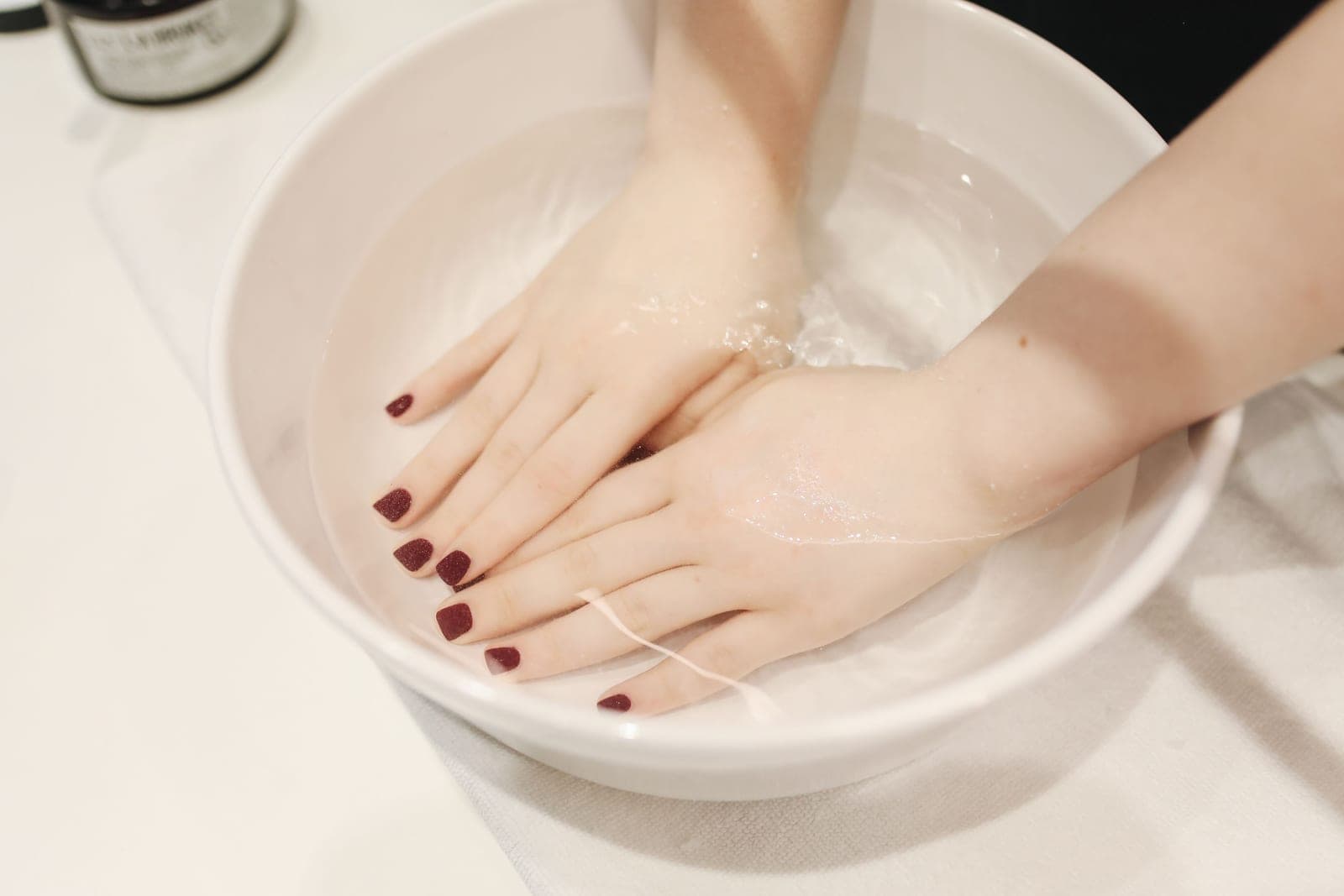
Soak in warm soapy water
Ten to fifteen minutes in warm water with a little dish soap or oil added. The water needs to reach under the edges of the tips.
Step 02
Work oil under the free edge
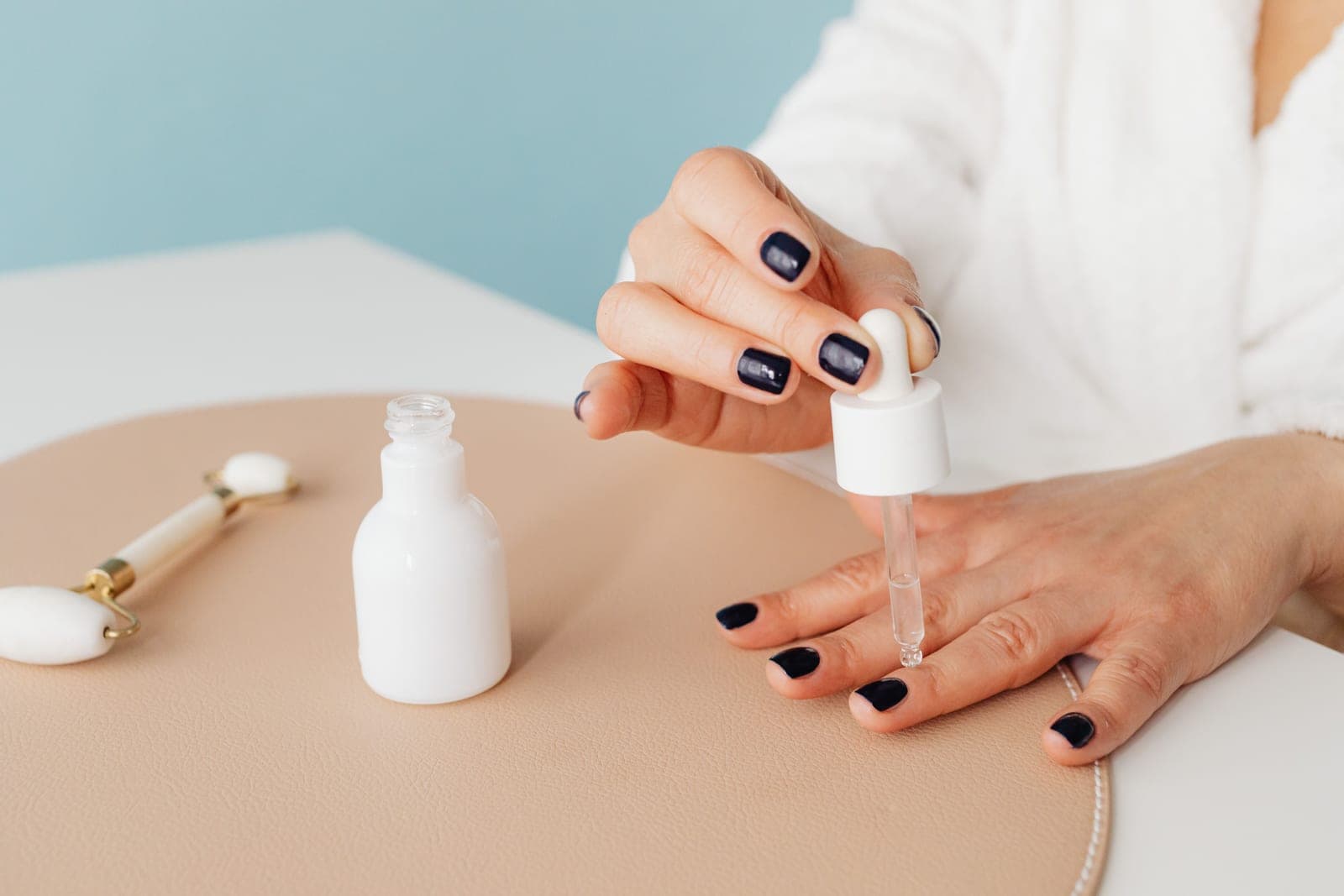
Apply cuticle oil around and under the lifted edge of each tip. It creeps into the bond and helps break it.
Step 03
Lift gently with a wooden stick
Work a wooden cuticle stick under the free edge and rock it gently side to side. Never use metal, and never lever.
Step 04
Stop and re-soak if it resists
If a tip does not move easily, put your hand back in the water for another ten minutes. Resistance means the bond is not ready.
Step 05
Wipe away glue residue
Remaining glue on the nail plate lifts with a cotton pad dampened with acetone. Do not scrape it with a metal tool.
Step 06
Wash and oil
Wash hands with a mild soap, then work cuticle oil into each nail and the surrounding skin. Repeat daily for a week.
The one rule
If it needs force, it needs more soaking. That is the whole method. Everything that goes wrong in press-on removal is someone deciding they have waited long enough.
The reason it matters is that a glued tip is bonded to the top layer of your nail plate. Pull it off and the bond does not fail at the glue line — it fails inside your nail, taking a layer with it. That is the white, thin, tender patch people find afterwards and assume the press-ons caused. The press-ons did not. The removal did.
The American Academy of Dermatology makes the same point about artificial nails generally: soak-off is preferable to filing off, because filing causes additional damage, and it advises against picking anything off a nail.
When one will not budge
Usually a thumb, usually the one you glued most enthusiastically. Options, in order:
- Soak again, longer. Twenty minutes rather than ten. Add a little oil to the water. This solves most cases.
- Work oil in repeatedly. Apply cuticle oil around the edge, wait five minutes, apply again. Oil migrates into the bond over time.
- Acetone, if you must. A cotton pad soaked in acetone held against the seam for a few minutes will dissolve the glue. This will also destroy the tip, so it is not the route if you wanted to reuse the set. It is drying, so oil afterwards.
- Or wait. A single stubborn tip can simply be left on for another few days. It will loosen on its own. There is no deadline.
Removing them so you can wear them again
Gentle removal is also what makes reuse possible. A tip that comes off cleanly can go back on; one that has been levered off is usually cracked at the stress point and will fail within a day.
After removal, soak the tips briefly in acetone to lift the cured glue as a film, check each for hairline cracks, and put them back in their numbered tray slots. Static Nails publishes up to six reuses and Clutch Nails up to five — see reusable press-ons.
Aftercare, and why it is not optional
Whatever you removed and however gently, the nail underneath has been sealed under a tip for a fortnight and then exposed to soap, water and possibly acetone. It is dry.
The AAD's protocol after removing gel is to work petroleum jelly into the cuticles every day for seven days, and the same principle applies here. A jojoba-led cuticle oil does the same job and absorbs rather than sitting on top.
Also worth doing: leave the nails bare for a few days. The AAD recommends not wearing artificial nails continuously so the natural nail has time to repair. A gap between sets is not wasted time.
Picks
The aftercare
Removal dries the nail plate. Oil afterwards is the part that prevents the damage people blame on the nails themselves.
The one product to buy if you buy only one
CND SolarOil Nail & Cuticle Care
Jojoba-led, which is the reason it sinks in rather than sitting on top — and the reason it is the salon default.
- Oils
- Jojoba, vitamin E, rice bran, sweet almond
- Use
- Daily, top and underside of the nail
Skip ifSkip this if you will not use it daily. A cuticle oil in a drawer is money spent on nothing.
Keeping one in a bag and actually reaching for it
Olive & June Cuticle Serum
A click pen with a foam tip instead of a brush and bottle — the format that gets it used at a desk.
- Format
- Click pen, foam tip
- Oils
- Avocado, apricot kernel, argan, jojoba
Skip ifSkip this if your cuticles are genuinely damaged. Reach for a heavier pure oil for repair work.
FAQ
Frequently asked questions
How do you remove press-on nails without damaging your nails?
Soak in warm soapy water for ten to fifteen minutes, work cuticle oil under the edges, then lift gently with a wooden stick. If a tip resists, soak longer rather than forcing it.
What happens if you pull press-on nails off?
The bond fails inside your nail plate rather than at the glue line, taking a layer with it. That is the thin, tender white patch people find afterwards.
How do you remove a press-on nail that won't come off?
Soak for another twenty minutes with oil added to the water. If it still resists, acetone on a cotton pad against the seam will dissolve the glue — though it destroys the tip.
Can you use acetone to remove press-on nails?
Yes, and it works, but it destroys the tip and dries the nail. Use it only when a warm soak has genuinely failed, and oil afterwards.
How long should you wait between press-on sets?
A few days if you can. The AAD advises against wearing artificial nails continuously so the natural nail has time to repair.
Keep reading
Related guides
- Reusable press-ons →
Gentle removal is the prerequisite.
- Are press-ons bad for your nails? →
The evidence.
- The best cuticle oils →
The aftercare product.
- Repairing damaged nails →
If removal went badly before.
- How to apply press-ons →
For the next set.
Sources
- —AAD — Reducing artificial nail damage · aad.org
- —AAD — Removing gel polish at home · aad.org
- —CND — SolarOil · lovecnd.com
- —Olive & June — Cuticle Serum · oliveandjune.com