Guide
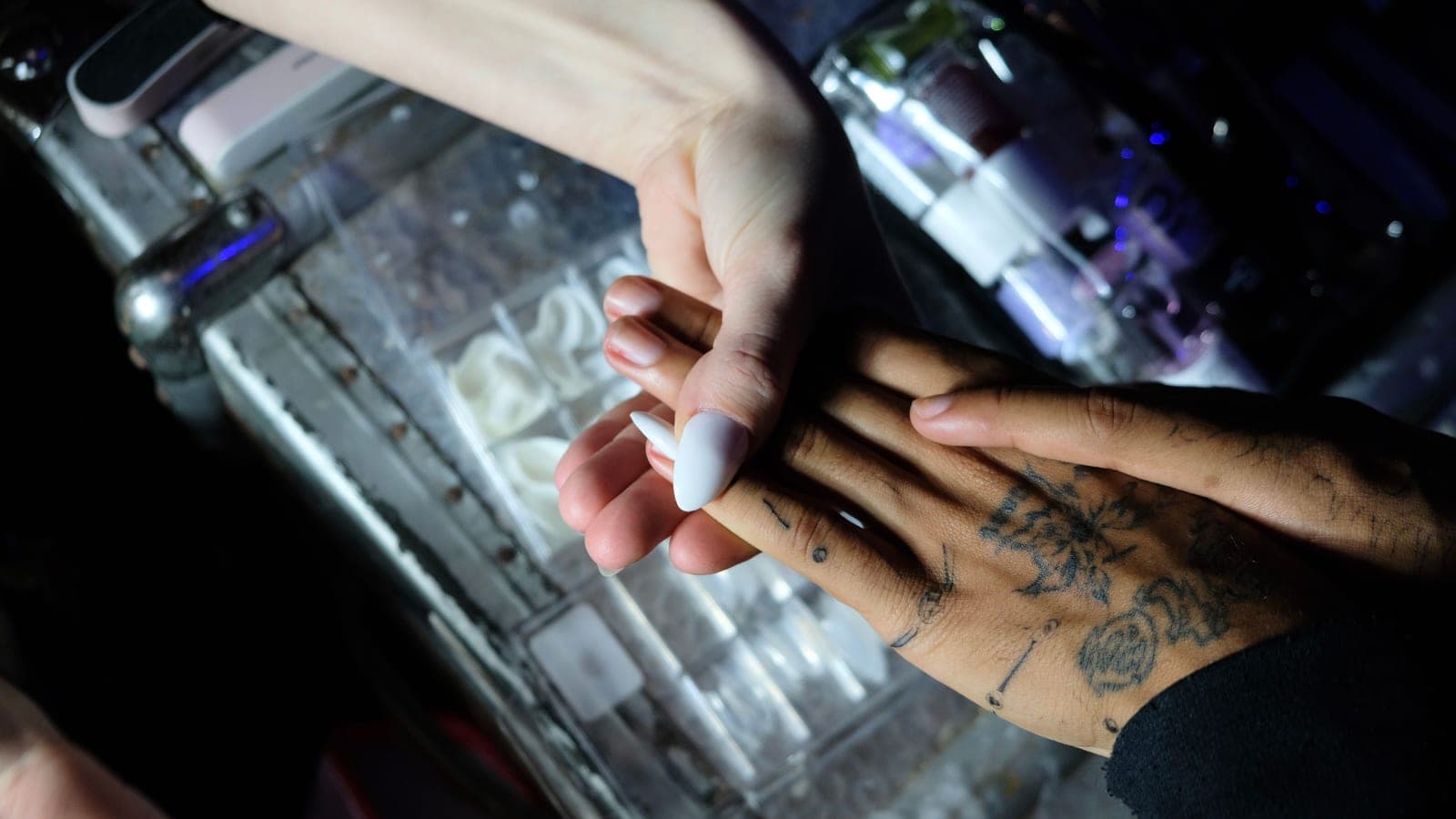
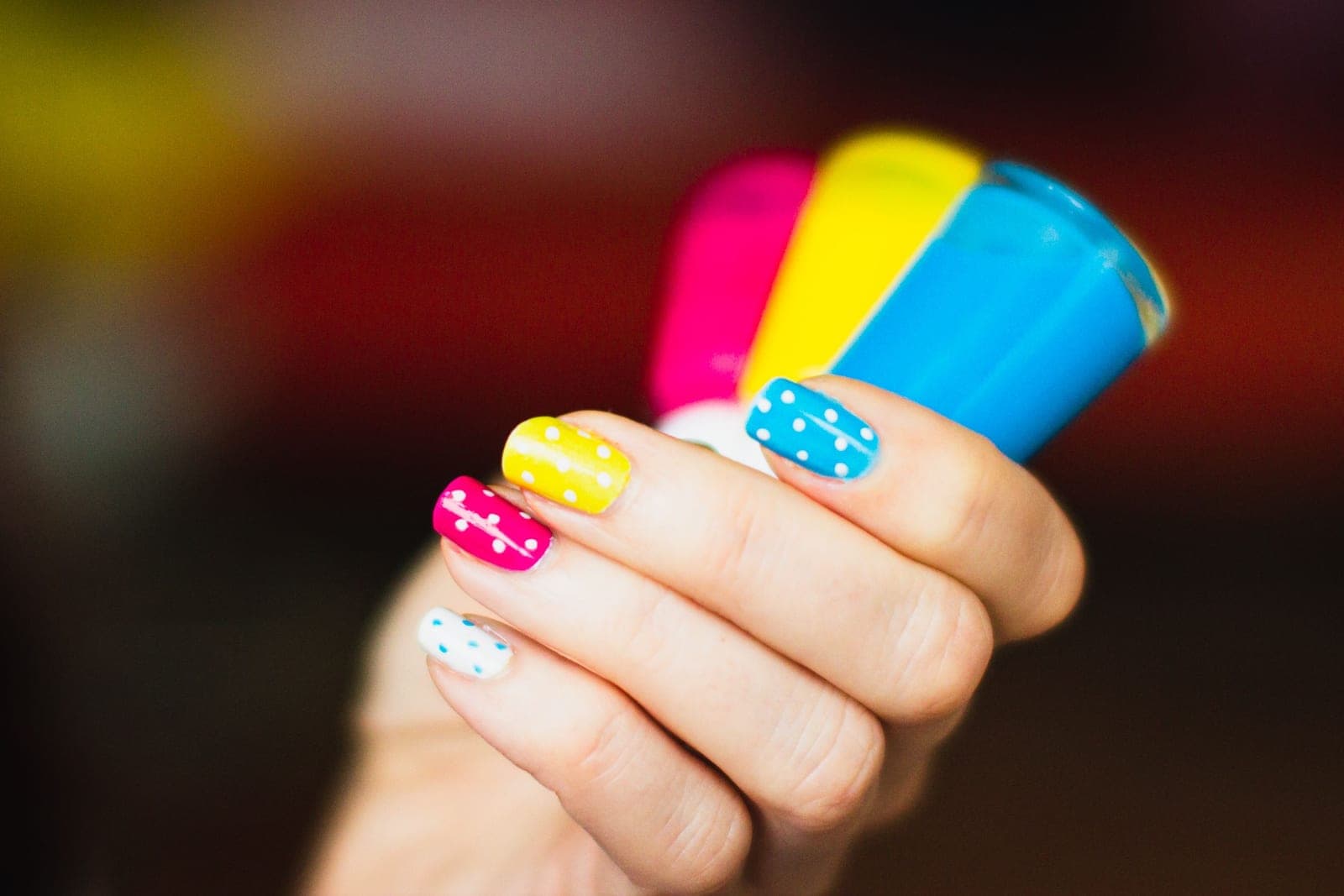
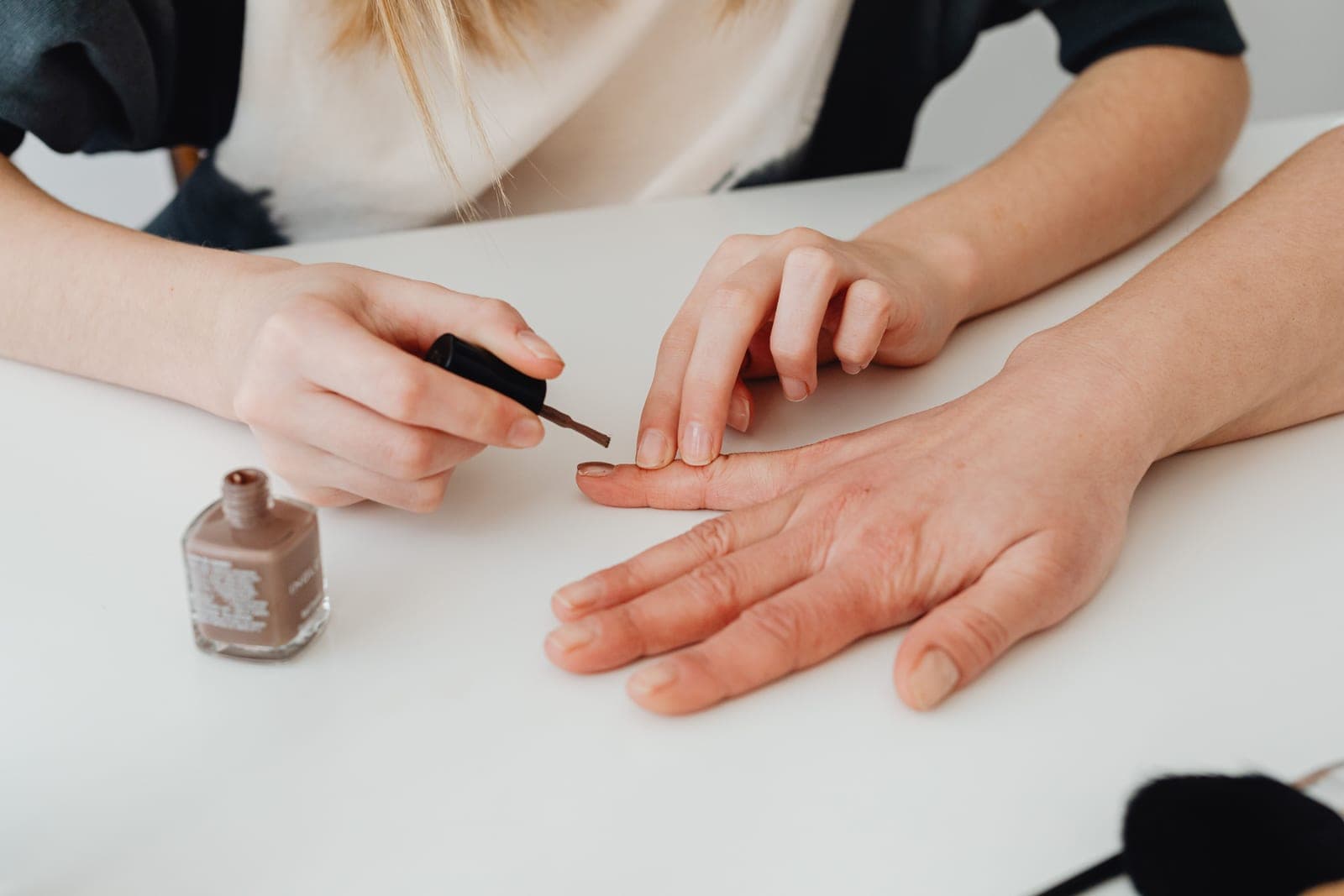
How to apply press-on nails
The nine-step method, including the two steps that decide whether a set lasts a day or two weeks.
Hub 06 · How-to and safety
The method pages. How to apply it, how to get it off, what the evidence says about safety, and what you are actually saving against a salon.
Row 1 is our pick · click any row for the full review
| # | Pick | Best for | Cost basis | Price |
|---|---|---|---|---|
| 01 |  Tweezerman Glass Manicure Set A glass file and buffer plus a clipper and pusher — and the glass file is the part that matters for weak nails. Clipper, steel pusher, glass file, glass buffer | Filing without tearing the nail's free edge | One-off, tools last years | |
| 02 | 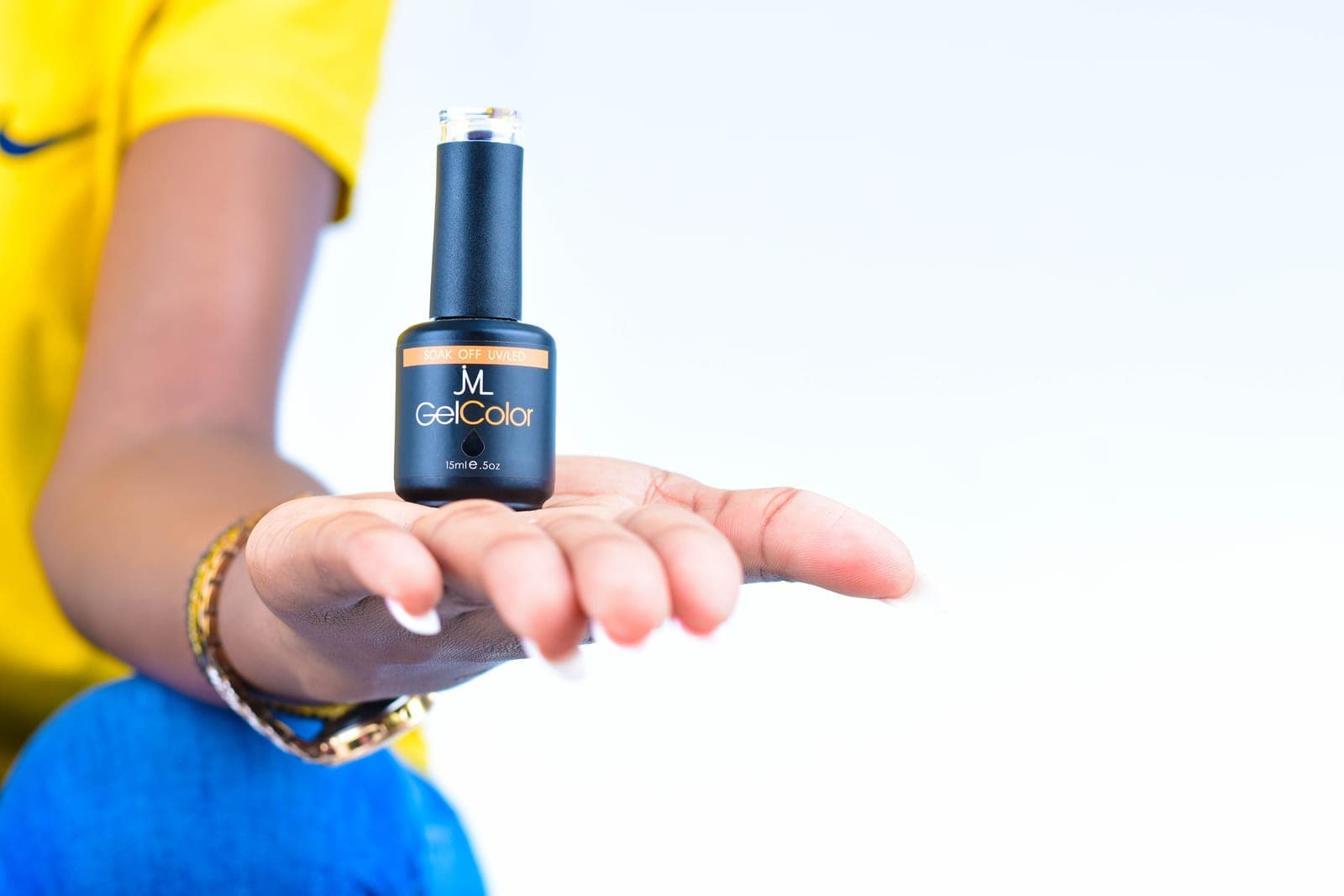 ORLY Bonder Rubberized Basecoat A rubberized resin base that grips color the way double-sided tape grips paper — the brand's own analogy, and an accurate one. Rubberized resin base coat | Polish that peels off in sheets by day three | Per manicure, many manicures per bottle | |
| 03 | 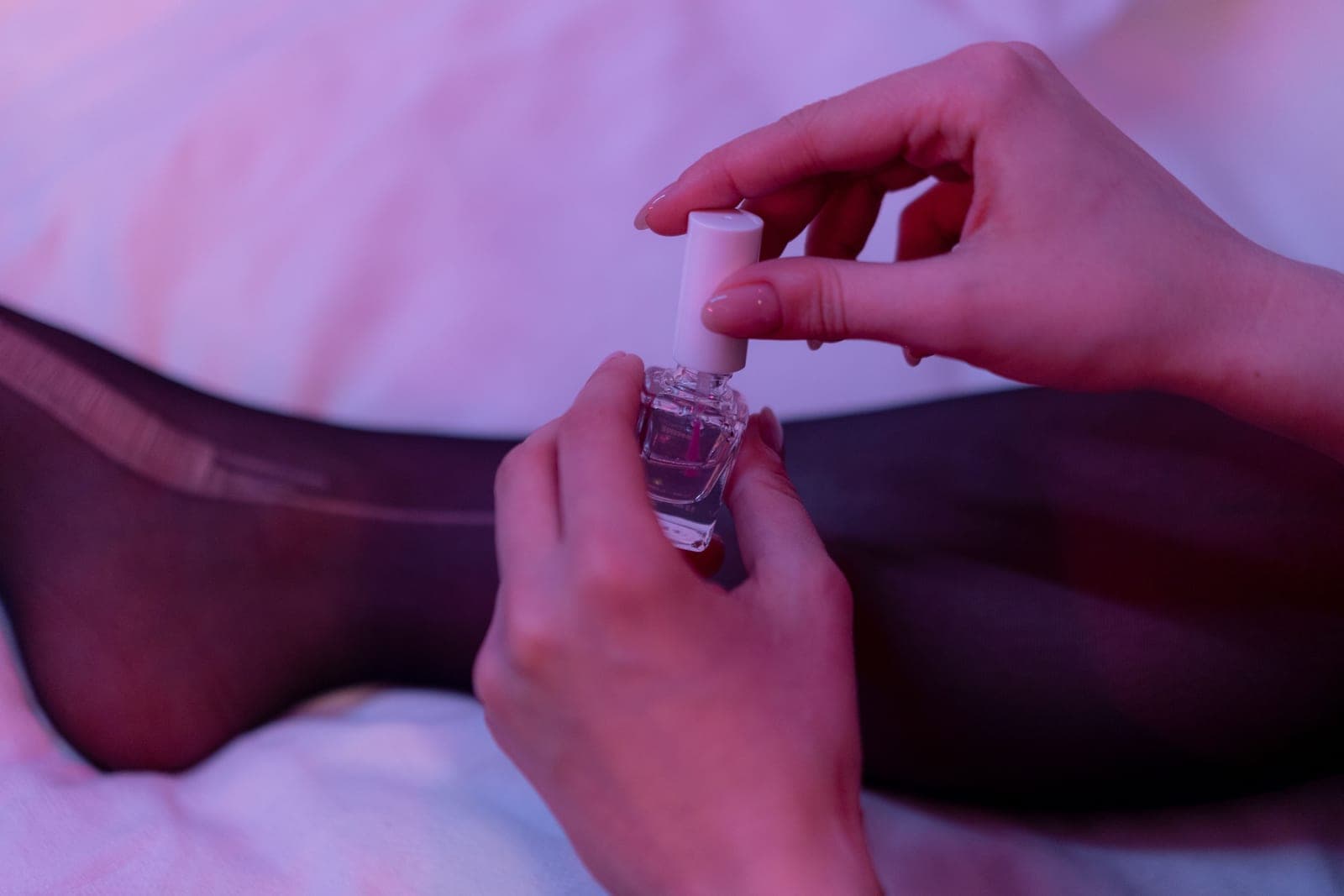 Seche Seche Vite Dry Fast Top Coat The one top coat that bonds through the color to the base coat, turning three separate layers into a single shell. 0.5 fl oz | Making an ordinary polish manicure survive the week | Per manicure, many manicures per bottle | |
| 04 | 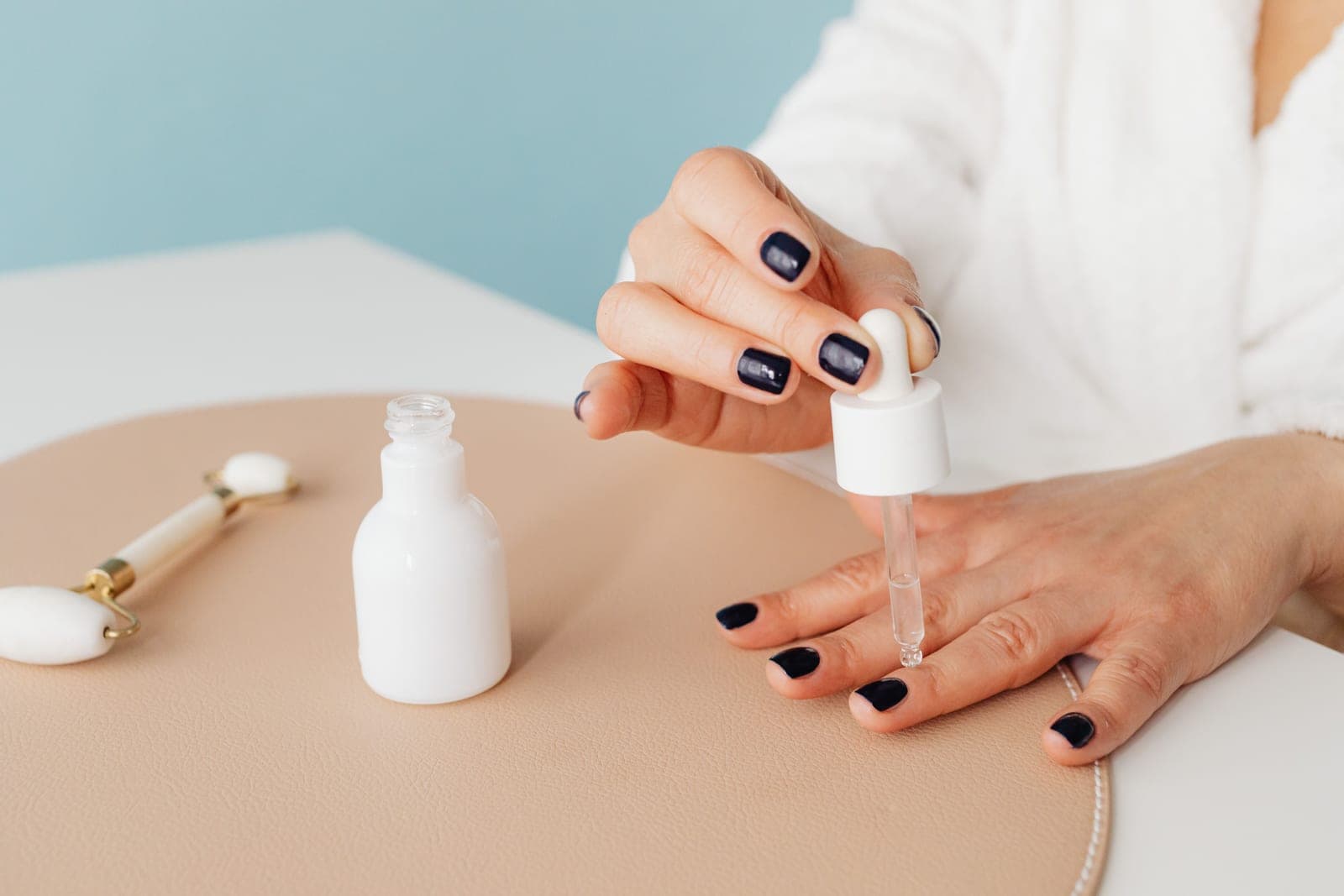 CND SolarOil Nail & Cuticle Care Jojoba-led, which is the reason it sinks in rather than sitting on top — and the reason it is the salon default. Jojoba, vitamin E, rice bran, sweet almond | The one product to buy if you buy only one | Per day, months of daily use per bottle |
Ranked on a published rubric from each brand's own specs and the pattern of what buyers consistently report. We have not tested these products and do not claim to have.
These five come from An at-home manicure, start to finish, which reviews all of them in full. The full manicure sequence with the dermatologist-backed rules, plus a beginner short version.
This is where the how and the why live. The product hubs tell you what to buy; these pages tell you what to do with it, what the evidence says about safety, and what you are really saving against a salon.
They are deliberately the least commercial pages on the site. The safety and damage guides — UV lamps, nail drills, press-ons and repairing damage — carry no product table and no buy button at all. That is a deliberate editorial decision: those pages exist to be right, and stuffing them with CTAs would undermine the only thing that makes them worth reading.
Read enough of these guides and the same conclusion keeps appearing: removal is where nails get damaged, not wear.
A press-on tip pulled off takes a layer of nail plate with it. Gel picked at does the same. A drill taken down to the natural nail thins it in seconds. Repeated acetone strips out the oil that keeps the plate flexible. Meanwhile, simply having product on your nails — gel, press-ons, polish — does very little, because the nail plate is dead keratin and does not breathe.
The dermatology guidance lines up with this exactly. The AAD recommends soak-off options over ones that have to be filed off, warns that picking or filing off gel polish can significantly damage nails, and advises taking breaks between applications rather than wearing enhancements continuously.
Which means the highest-value pages here are the removal ones: removing gel and removing press-ons. Ten patient minutes on removal day prevents six months of thin nails, and six months is the real timeline — that is roughly how long a fingernail takes to replace itself entirely.
The other cluster here is cost, and it is the reason a lot of people arrive at doing nails at home in the first place. 2026 US market data puts a basic manicure at $20 to $55 and a gel manicure at $30 to $70, with average appointment costs ranging from about $35 in Maine to $75 in New York.
Every home route undercuts that per manicure once the initial purchase is covered. Which route wins depends on how you weigh money against time and results — a comparison nobody in this niche actually publishes, so we did: salon versus at home, what a gel manicure costs, and what press-ons cost.
The short version, for anyone who wants it now: reusable press-ons have the lowest cost per wear of anything covered here and need no equipment at all. A home gel kit pays for itself within a handful of manicures but costs you a learning curve. Long-wear lacquer is the middle option — no equipment, two-minute removal, up to 11 to 15 days.
Comparisons and guides
Guide
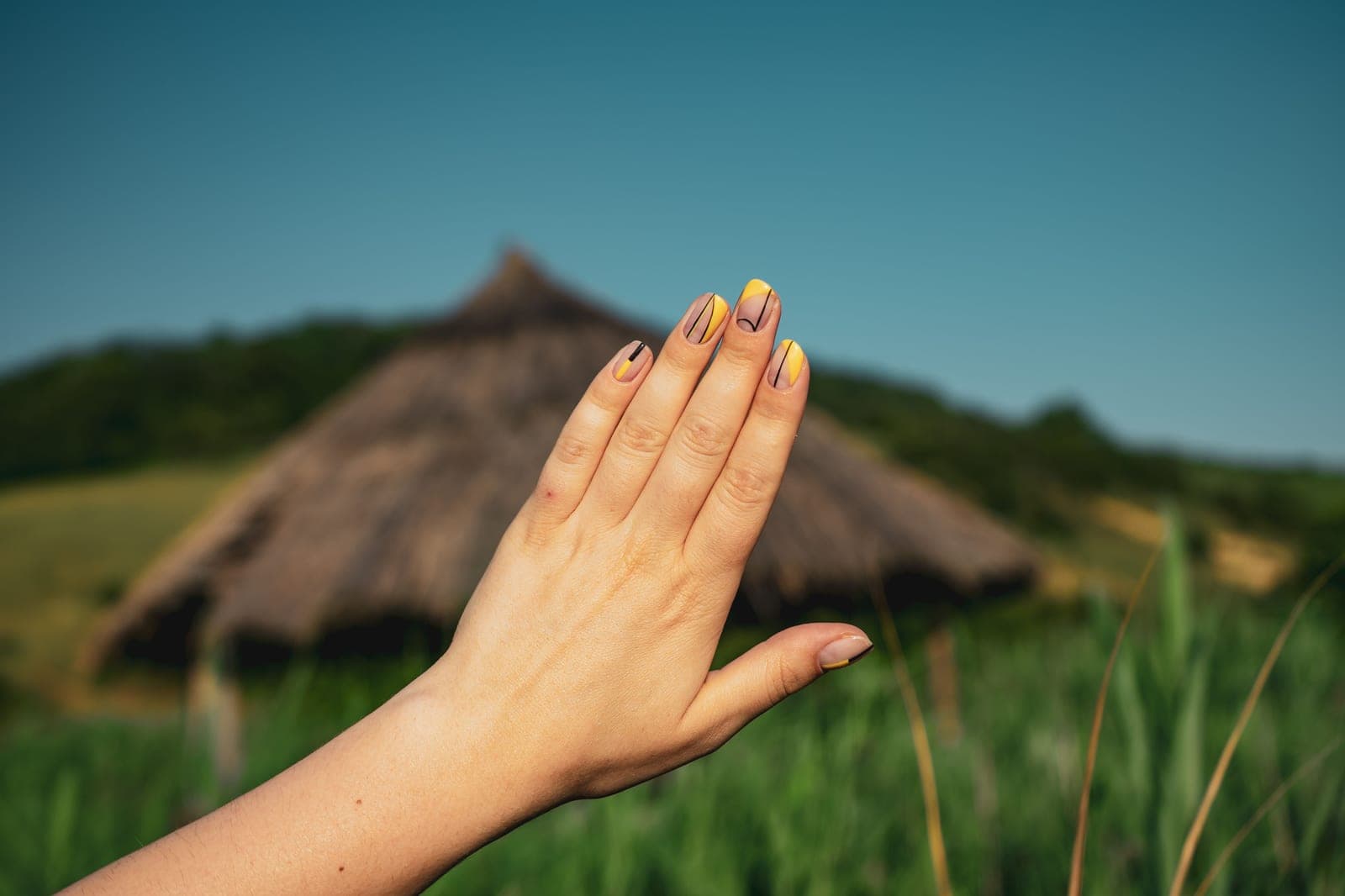
The nine-step method, including the two steps that decide whether a set lasts a day or two weeks.
Guide
Seven fixes ranked by impact, from the prep wipe to washing-up gloves.
Guide
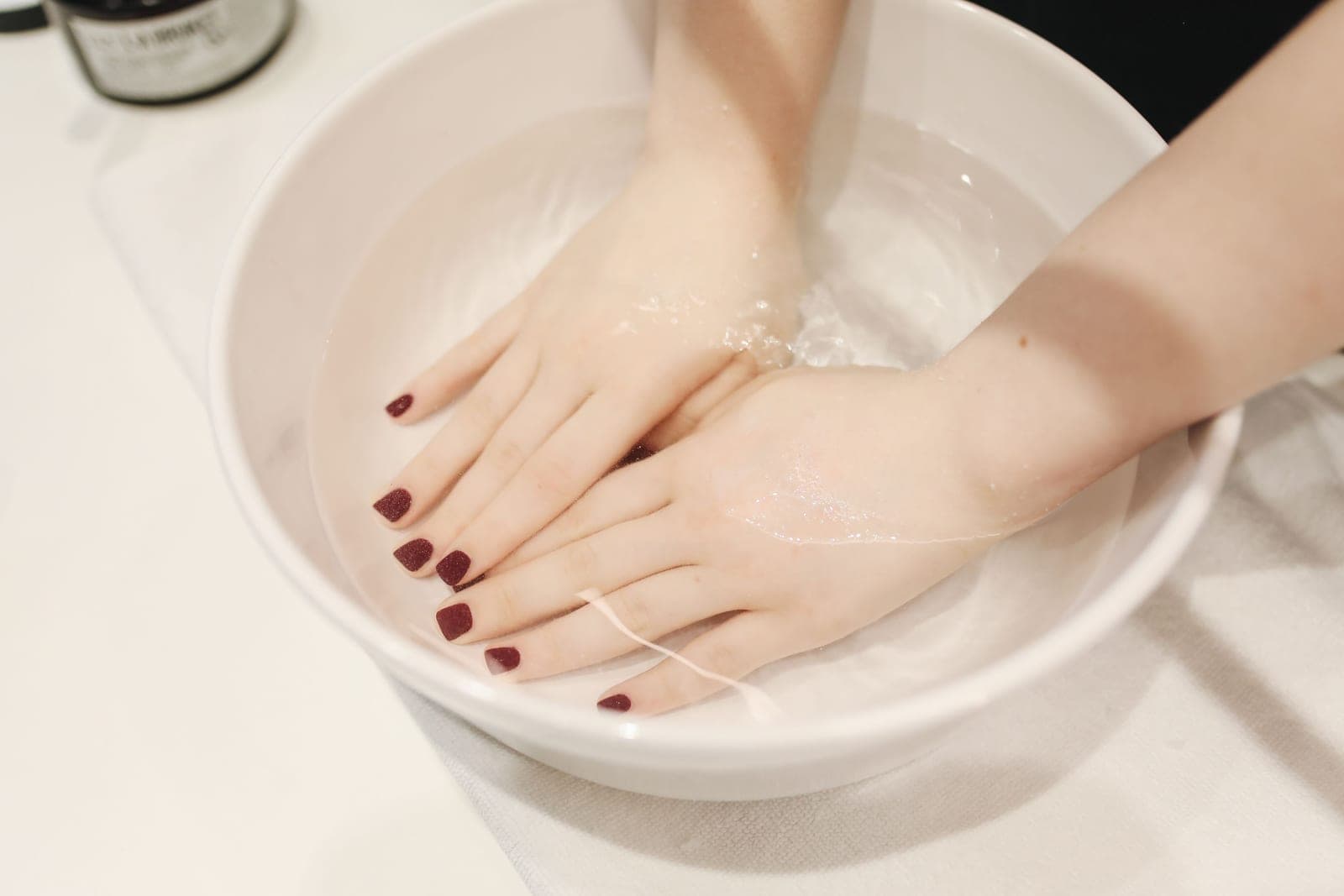
The soak-and-wait method, what to do with a stubborn tip, and the aftercare that prevents damage.
Guide
What dermatologists actually say about artificial nails, glue and damage — and where the risk really sits.

Guide
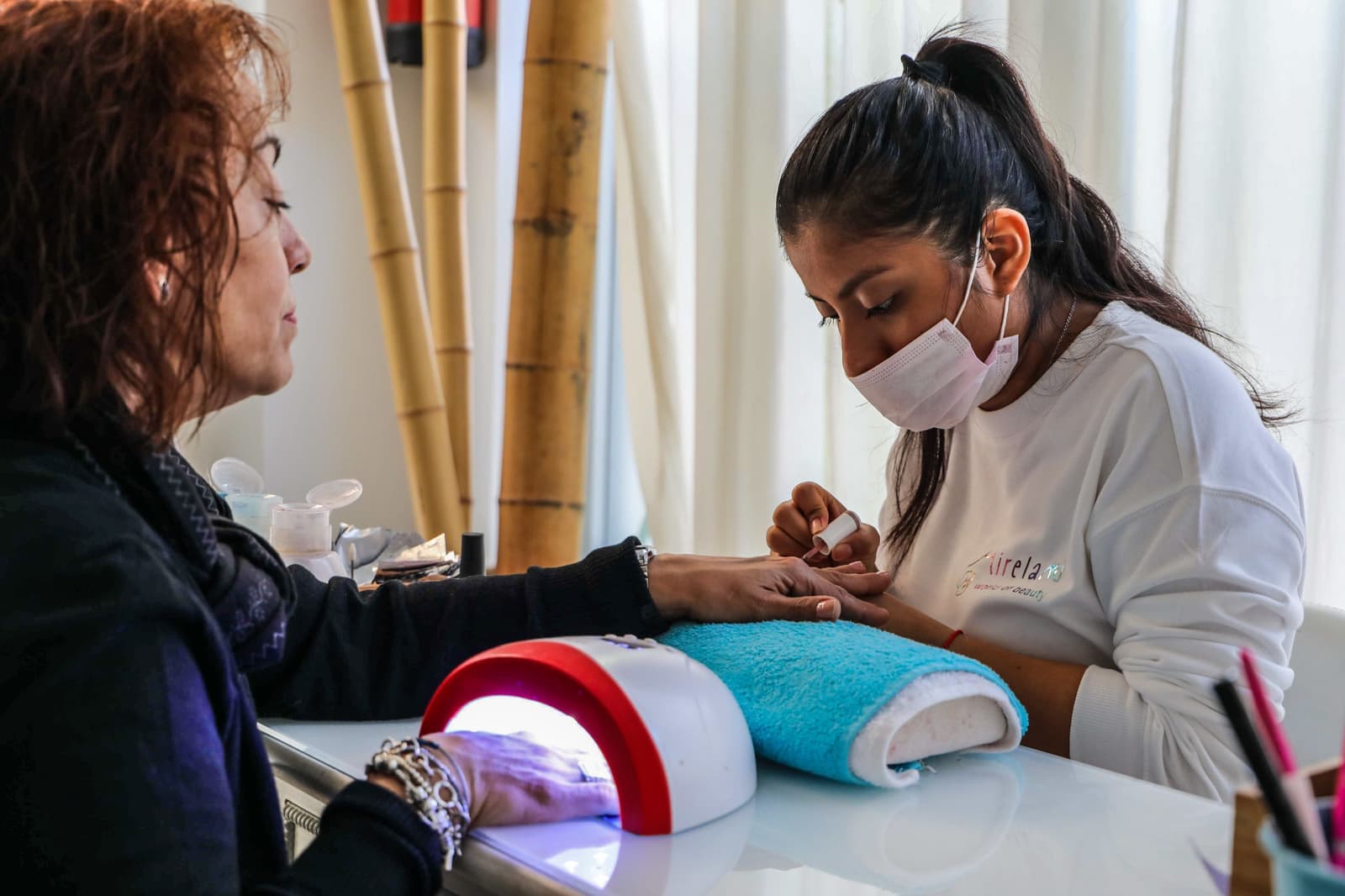
Cost per wear, worked through, against published 2026 US salon prices.
Guide
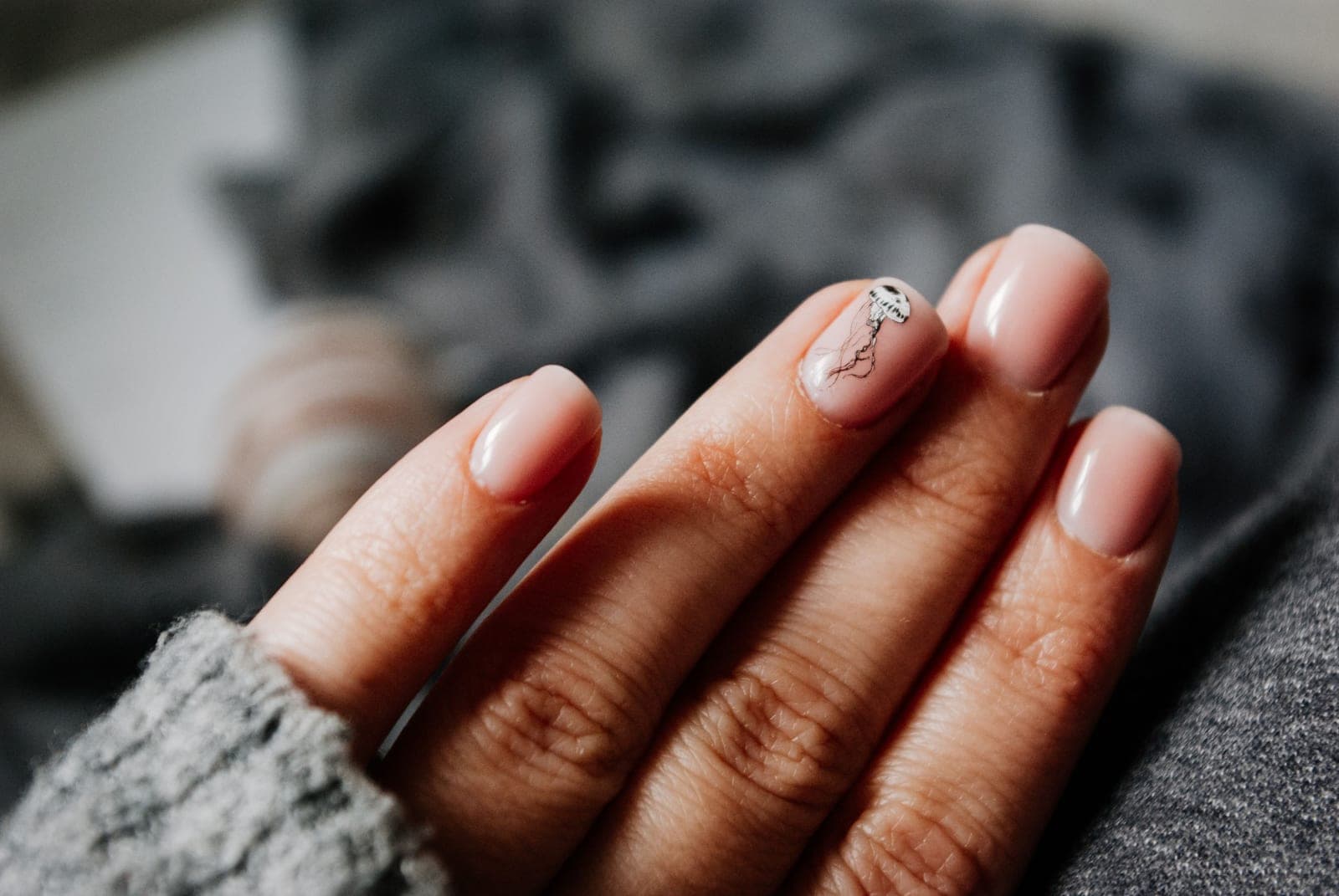
The UV lamp evidence, including what the 2023 study did and did not show, and what to do about it.
Guide
The full home gel method, with the prep steps that decide whether it survives two weeks.
Guide
The AAD's published removal method, step by step, plus the aftercare that prevents the damage.
Guide
Why gel needs a lamp, what happens without one, and the two lamp-free routes that work.
Guide
Three different gel failures, diagnosed from how they look, with the fix for each.
Guide
2026 US salon gel prices against home kit running costs, with the break-even worked through.
Guide
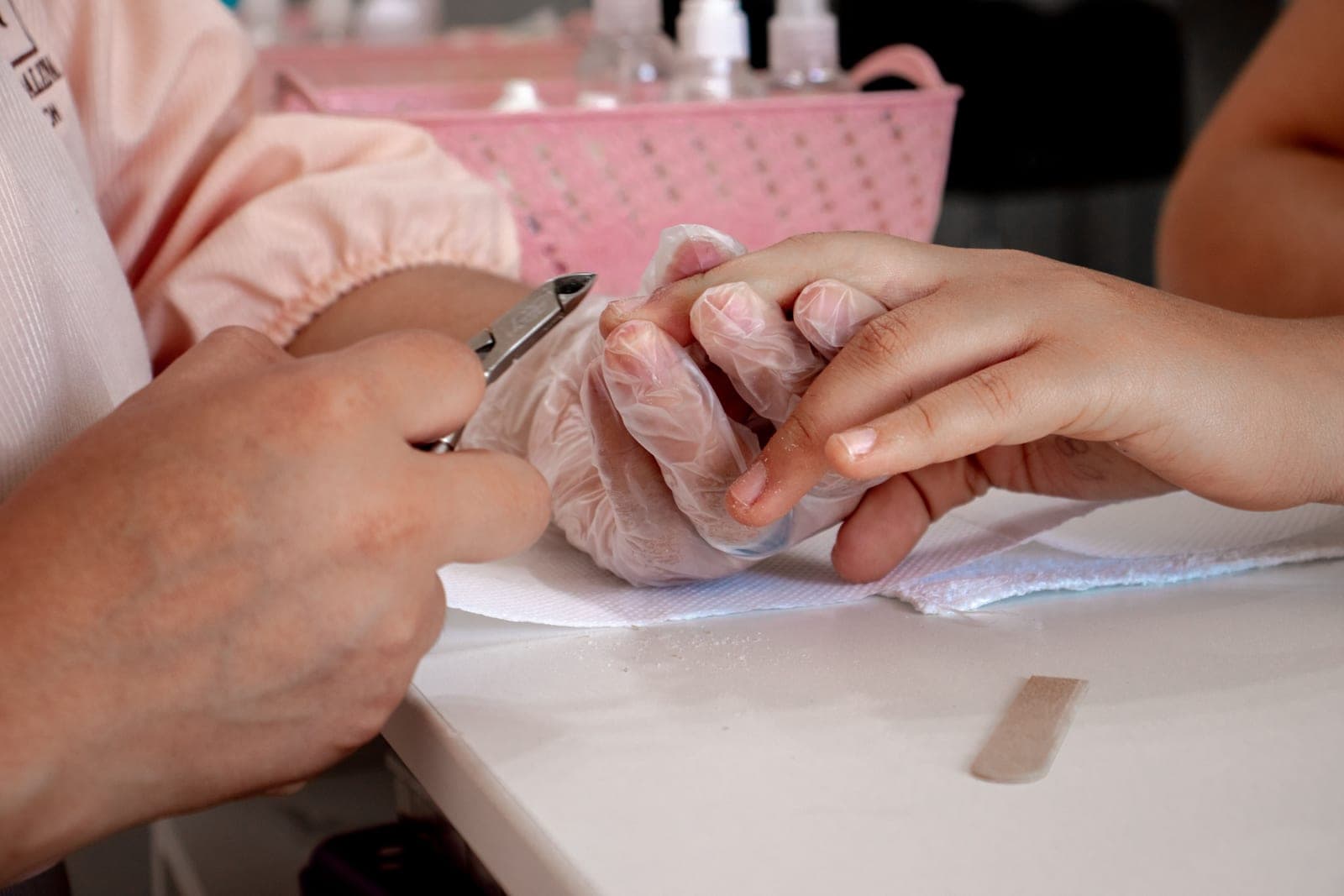
What rings of fire are, how drills damage nails, and the rules that prevent it.
Guide
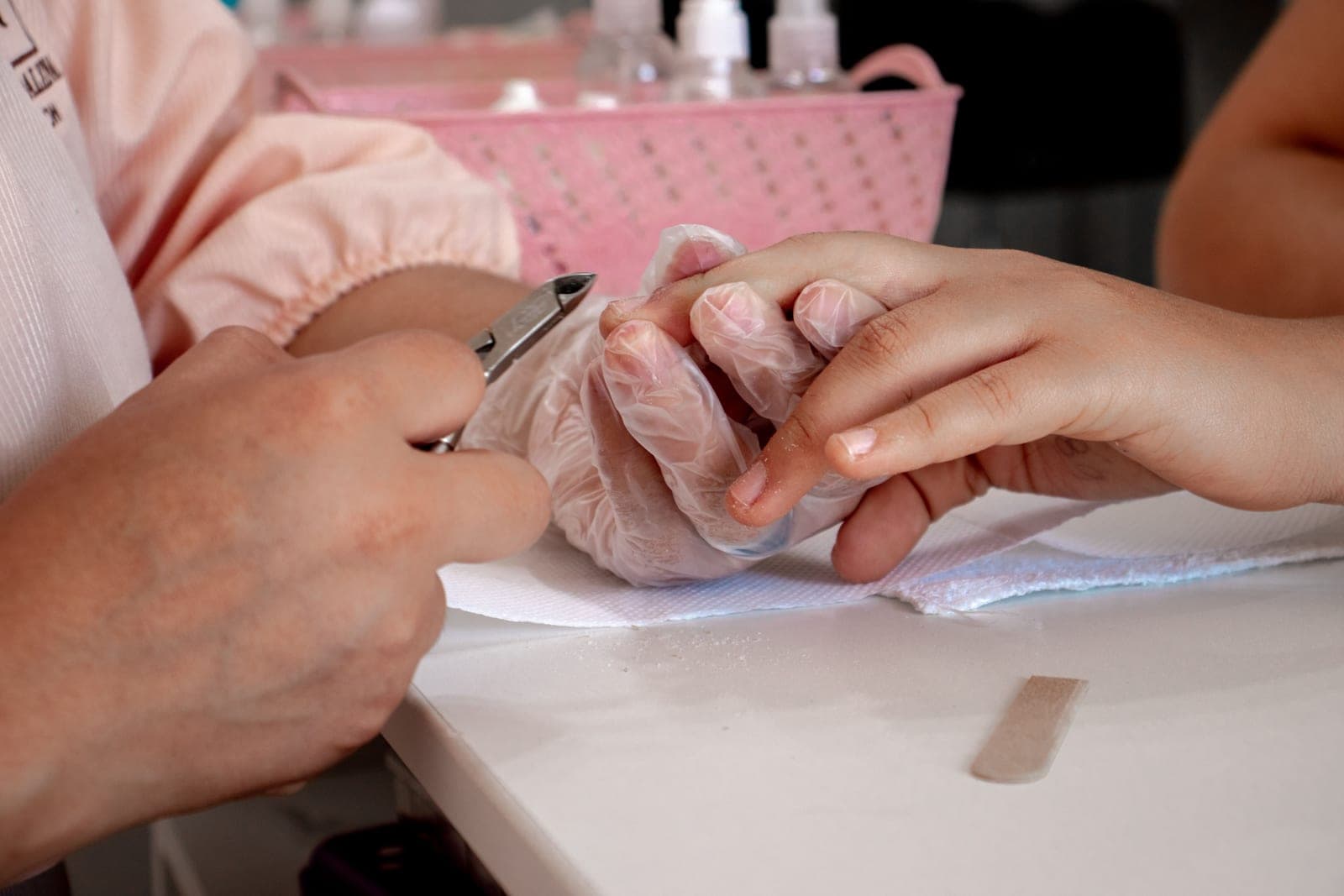
The beginner method: speed, grip, direction and bit changes, with the safety rules built in.
Guide
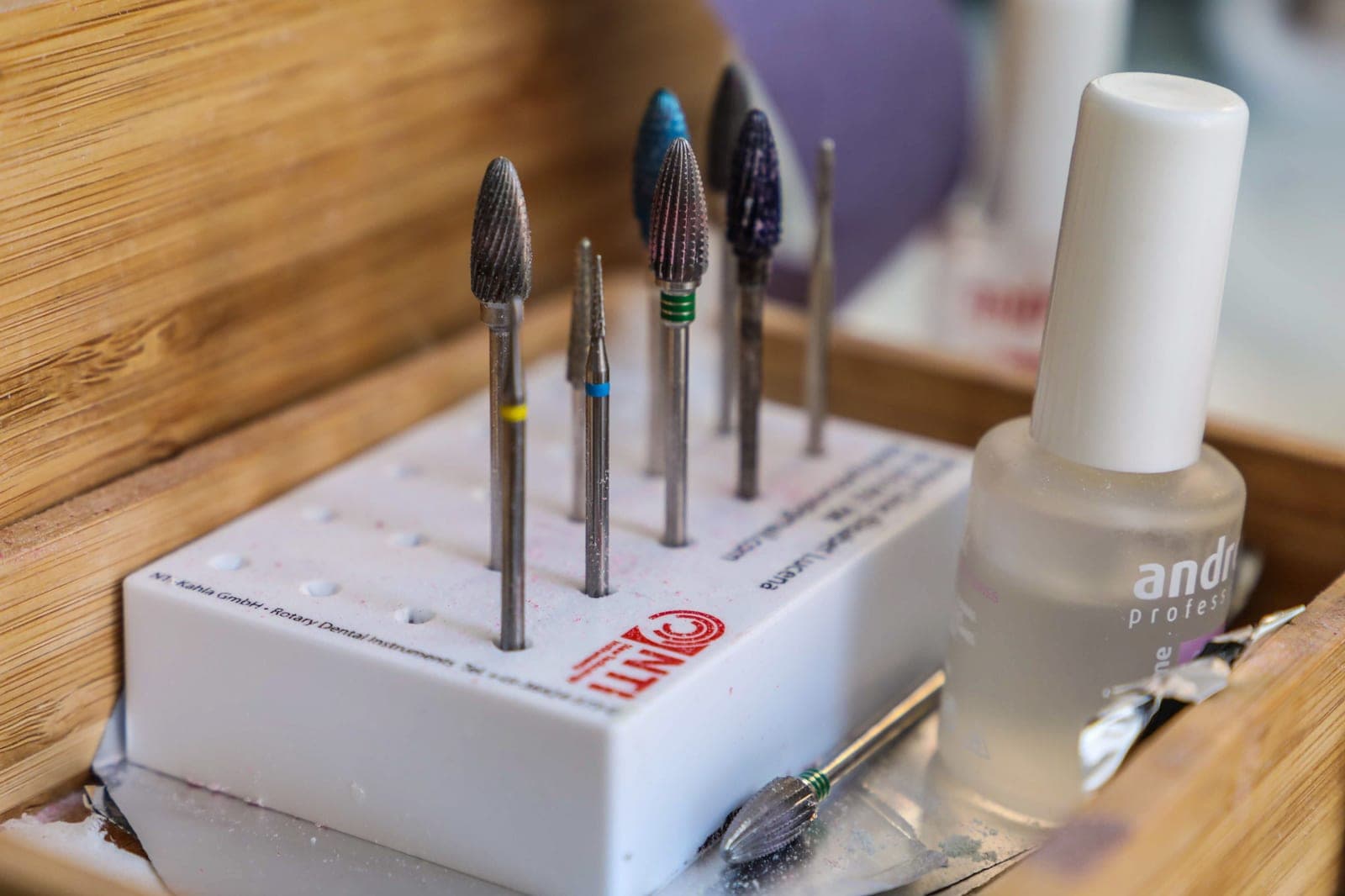
The full color-to-grit chart, which bit does which job, and the sequence to work through.
Guide
The honest timeline for recovery, what genuinely helps, and what to stop doing today.
Guide
Peeling and splitting are different problems — how to tell them apart, and what actually helps each.
Guide
Salon prices against three home routes, on money, time and what each one costs you in results.
Guide
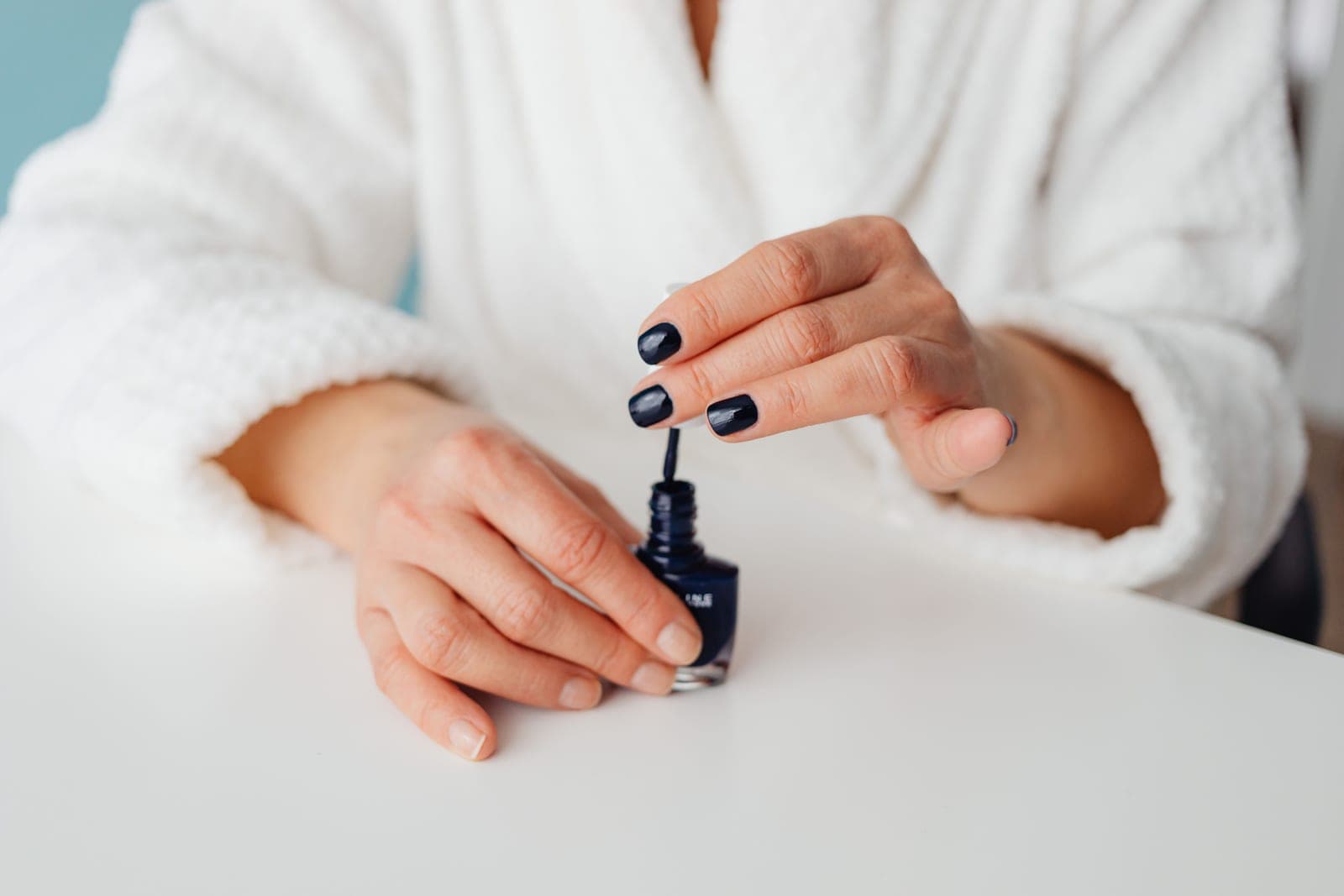
Eight changes ranked by impact, from capping the free edge to gloves for washing up.
Guide
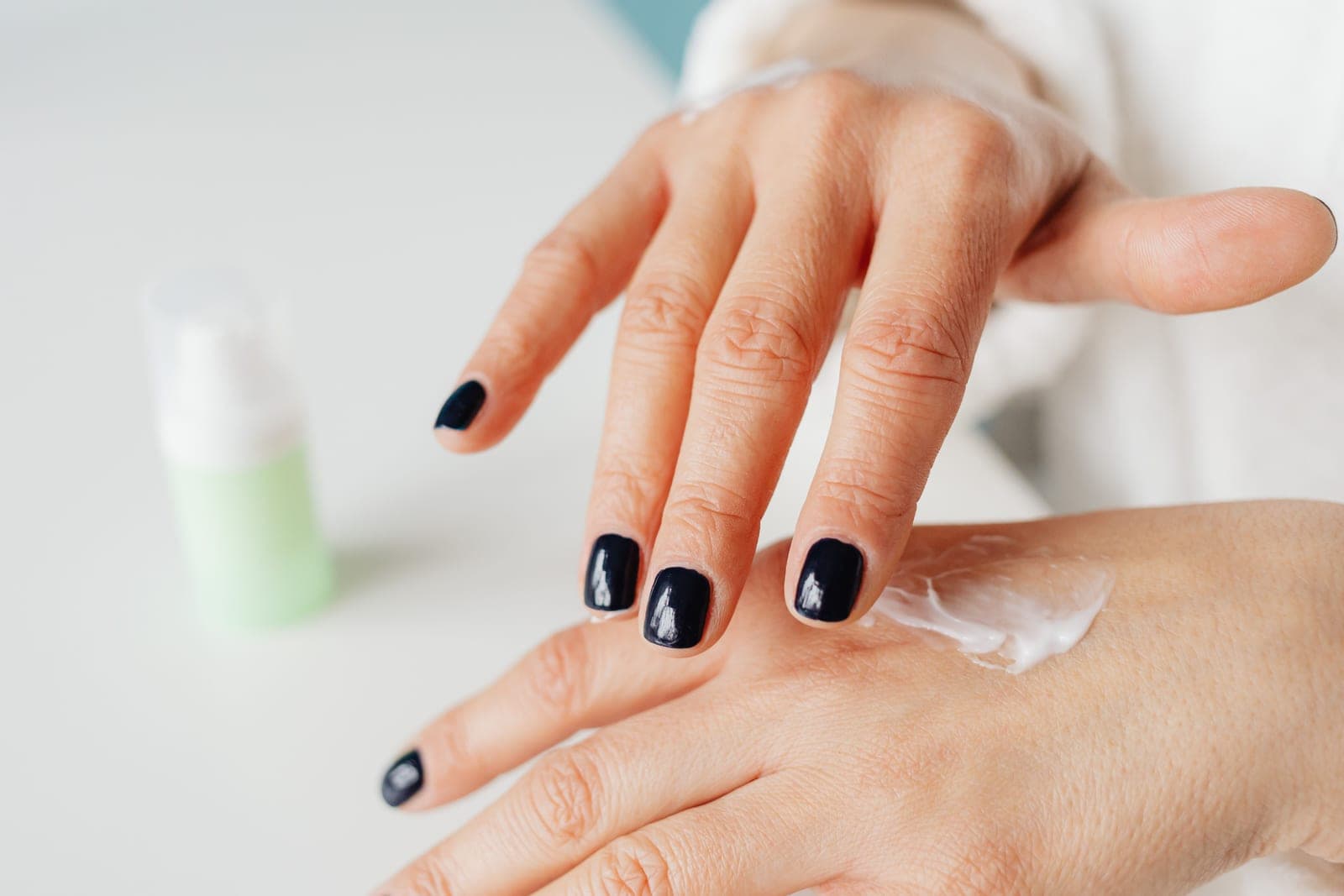
The full manicure sequence with the dermatologist-backed rules, plus a beginner short version.
Guide
A daily and weekly routine from AAD guidance — short enough that you will actually do it.
Guide
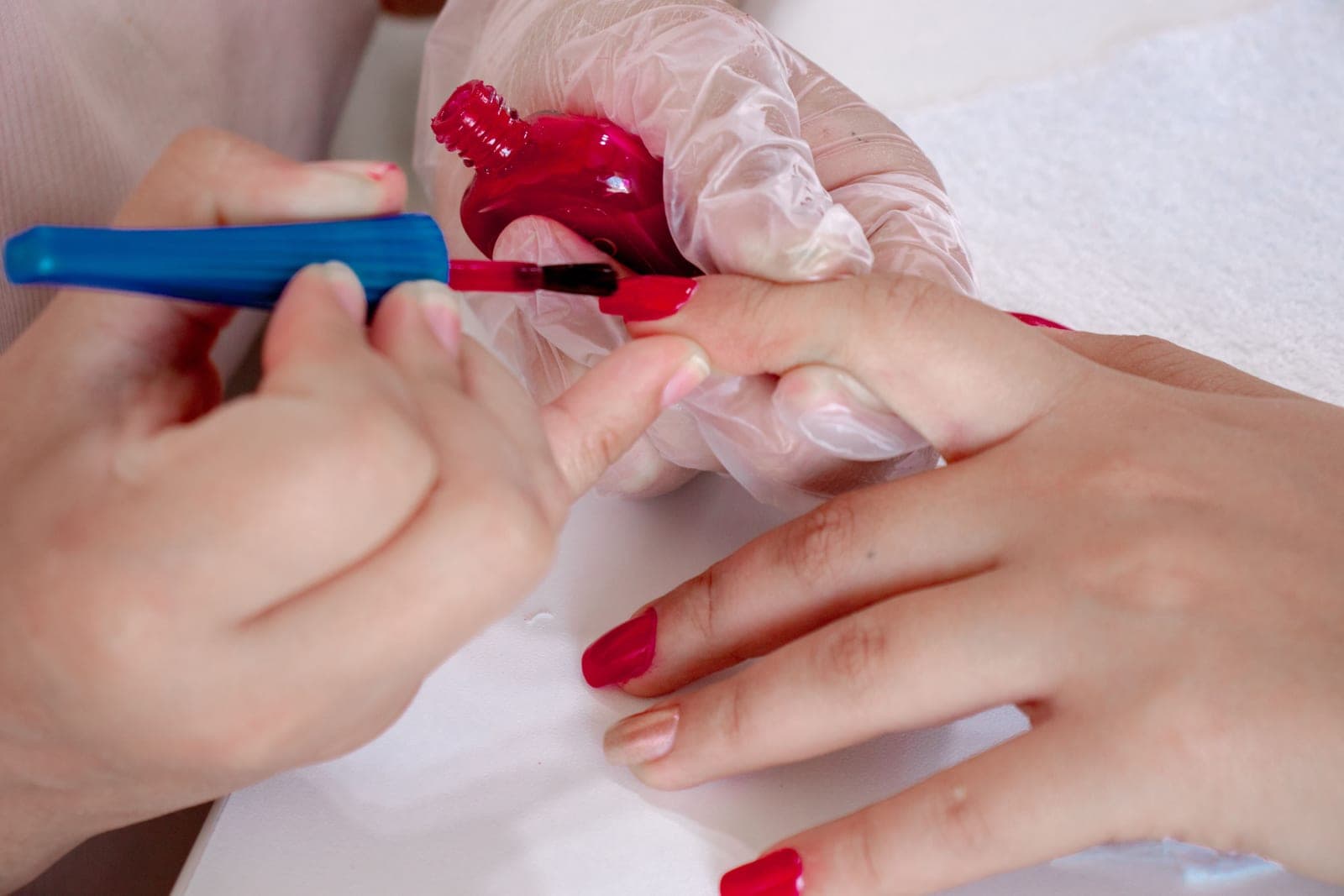
Why polish thickens, how to thin it properly, and the common fix that ruins the bottle.
Where this leads next
05Care and repair
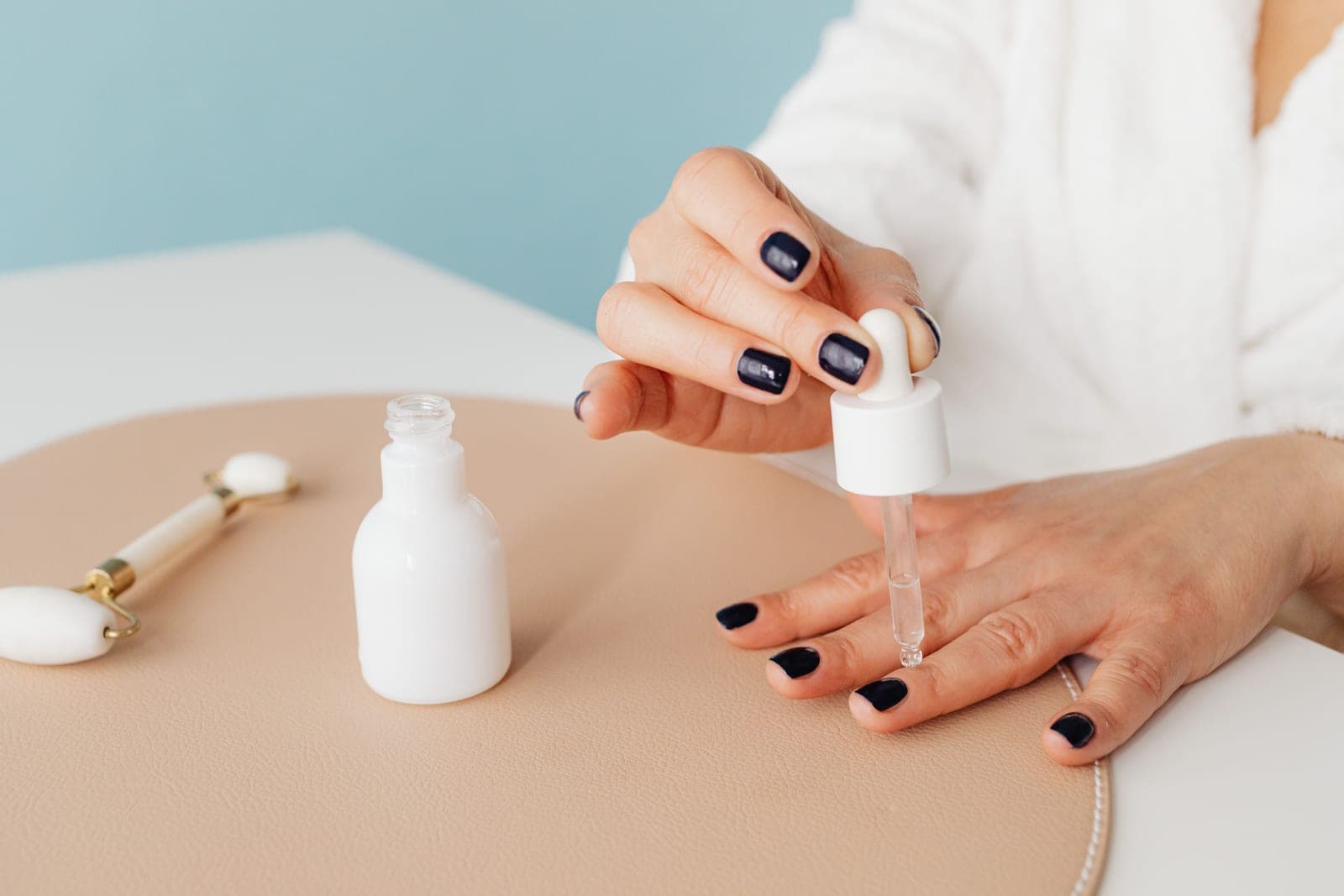
Most of a nail care aisle is optional. A handful of products genuinely change how your nails behave — this hub is about telling those apart.
Open the hub →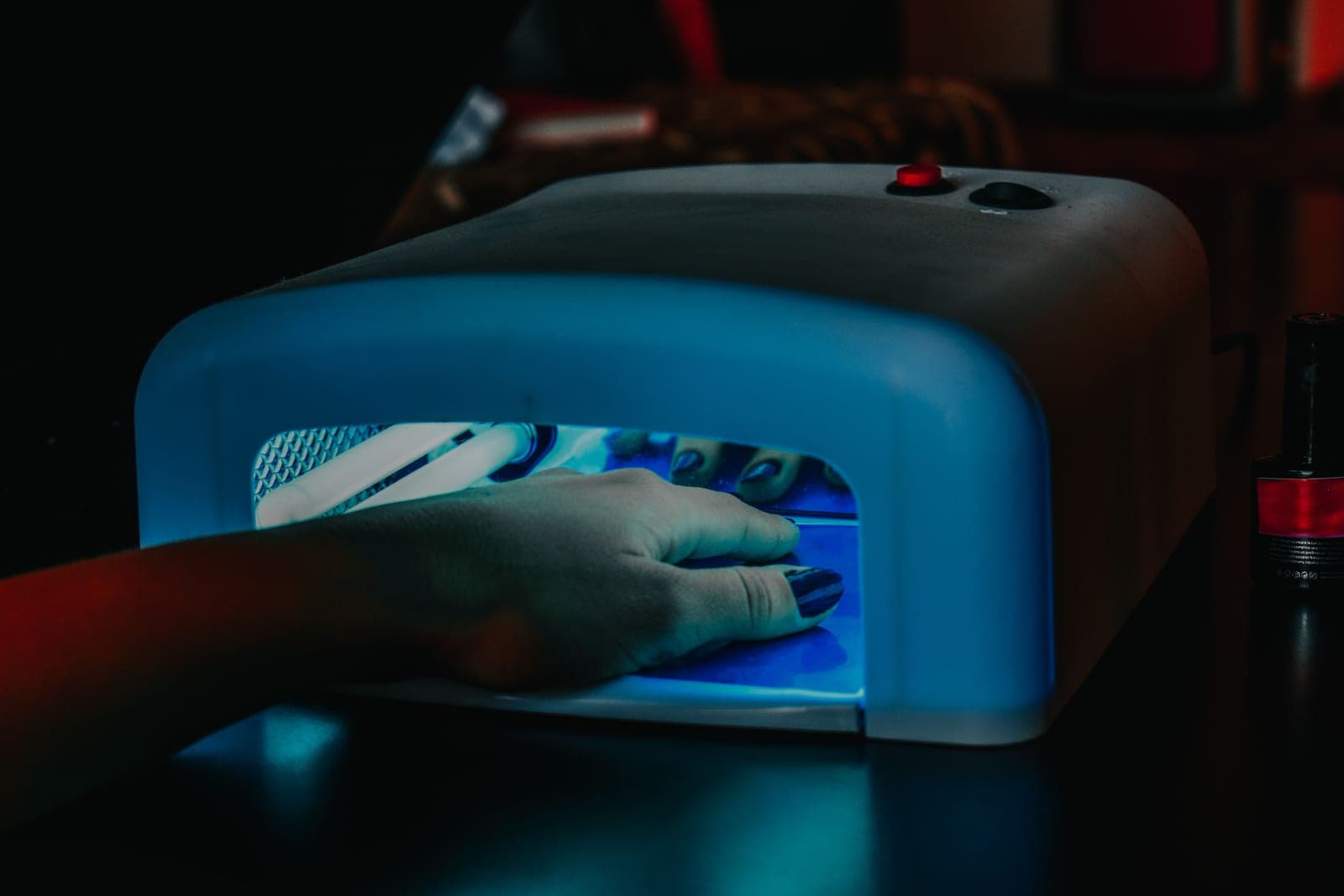
02Gel at home
A gel kit replaces a salon appointment only if you can also remove it safely. This hub covers both halves — what to buy, and what to do on day fourteen.
Open the hub →