Guide · Guides
Nail care basics
Five habits, four tools, and a short list of things to stop doing. Everything else is optional.
Written by Janet H. · Owner, Janet Media Group
Published
Tip & Topcoat is reader-supported. Product links go through our affiliate resolver and we may earn a commission from qualifying purchases, at no extra cost to you. Prices come from Amazon's API, carry the date they were read, and change constantly — the button always opens the current price on Amazon.
Part of the guides hub.
Habit 1: oil, twice a day, every day
If you take one thing from this page, take this. A cuticle oil used consistently does more for how your nails look and behave than every other product in the category combined, and it is the cheapest item in it.
A nail plate is flexible because it holds water, and it holds water because the surrounding skin and the plate itself are not stripped dry. Oil slows water loss. A brittle nail is a dry nail, so the intervention for brittleness is moisture — not hardness.
The detail that matters is which oil. A jojoba-led formula penetrates the plate rather than sitting on top of it, because the molecule is small enough to get in; that is why jojoba-first oils are the salon default rather than a marketing preference. Apply to the top and the underside of the free edge, after every hand wash if you can and at minimum before bed.
The honest limit: oil improves the plate you have. It does not change how the nail grows. The full comparison of oils is in the cuticle oil roundup.
Habit 2: cut straight across, then round the tips slightly
This is the AAD's own shaping advice and it is more specific than most people realize: trim nails straight across, then round the nails slightly at the tips for maximum strength.
The reason is structural. A square corner is a stress concentrator — it catches on fabric and it is where a split starts. A heavily tapered or pointed nail removes material from the sidewalls, which is where the plate gets its lateral strength. A straight cut with slightly rounded corners keeps the width and loses the catch point.
Use a clipper that actually cuts. A blunt drugstore clipper crushes the plate and the crush line is where layers begin to separate at the tip. A curved, genuinely sharp blade is a few dollars more and lasts years — the ranking, by published jaw width and blade shape, is the best nail clippers.
And keep them shorter than you want to. A short nail has less leverage on it and snaps far less — which is the single highest-return change available to anyone whose nails keep breaking.
Habit 3: file with glass, sidewall to center
Two changes here, and together they are the most common fix for nails that peel at the tip.
The file. An emery board has abrasive grit glued to a flexible card. It tears at the free edge, and it separates the keratin layers it is dragged across. An etched glass file has its grit etched into the glass itself, so the surface is finer and more even, and it seals the free edge rather than shredding it. It is also washable, which makes it the only file in the category you can actually keep clean.
The direction. File from the sidewall toward the center, in one direction, lifting off at the end of each stroke. Sawing back and forth works the layers apart at the tip. This takes longer and it is the difference between a free edge that holds and one that flakes.
File when the nail is dry, not straight out of the bath. A wet nail plate is softer and tears more easily.
Habit 4: push cuticles back, never cut them
The cuticle is a seal. It is the living tissue that closes the gap between the nail plate and the skin, and its job is keeping bacteria and water out of the space where the nail is being formed.
Cutting it opens that seal. The AAD's guidance for artificial nail and salon services includes not having cuticles cut for exactly this reason, and the advice does not change when you are doing it yourself with nippers from a drugstore kit.
What to do instead: soften first, in warm water or with oil, then push the loose dead tissue back gently with a pusher or a wooden stick. The visible overgrowth that looks untidy is mostly translucent dead skin on the plate surface — pushing it back and oiling it is the whole job.
There is a cost to overdoing it, and it is visible: the AAD attributes the washboard ridges people get on their thumbnails to picking at or pushing back the cuticles, usually without realizing it. That change and eleven others are listed in nail health signs.
Habit 5: gloves for wet work
Repeated wetting and drying is the most underrated cause of weak nails. Each cycle swells the plate and then shrinks it, the layers work against each other, and detergent strips the lipids that would otherwise slow the drying.
This is why nails get noticeably worse in a month with a lot of washing up or cleaning, and why people in wet-handed jobs have a harder time with their nails than anyone else regardless of what they buy.
Gloves for dishes, cleaning and gardening. Then oil afterwards. It is a boring intervention that outperforms every supplement on the market.
The things to stop doing
A basics page is as much about subtraction as addition. These five are common and all of them cost you nail.
- Buffing the surface regularly. Buffing removes nail plate, and a nail plate does not grow back sideways. Once in a while to knock a ridge down is fine; as a routine it thins nails.
- Using your nails as tools. Opening cans, scraping labels, prying lids. Every one of those is a direct load on the free edge.
- Peeling polish off. It takes the top layer of nail with it. This is the single most common self-inflicted cause of surface damage.
- Acetone every week. Acetone is drying, and frequent use on a nail that is already brittle compounds the problem. A non-acetone remover is slower and gentler — see the remover roundup.
- Waiting for a supplement to work. Biotin has a genuine evidence base for diagnosed deficiency and very little for everybody else. Oil and gloves are faster, cheaper and more certain.
How long any of this takes to show
Set the expectation correctly or you will abandon a routine that was working.
Days. Oil changes how the plate looks and feels almost immediately, because you are rehydrating nail that already exists. Peeling at the tip often slows within a week of changing the file.
Six weeks and beyond. Anything that depends on how the nail grows. Fingernails grow at an average of about 3.5 mm per month, so the nail at your free edge today formed roughly three months ago. Changes in how you treat your hands show up at the tip a month or two later.
Reassess at week six, looking at nail that grew while you were being kind to it. If it still splits, discolors or lifts from the bed at that point, that is a dermatologist question rather than a product question.
If you want this expanded into a week-by-week routine rather than a list of habits, that is the nail care routine, the option ranked by upkeep is the easiest nails to maintain, and the every-two-weeks version is the at-home manicure routine.
Picks
The four things worth owning
An oil, a glass file, a clipper that cuts rather than crushes, and a pusher instead of a nipper. That is the whole shopping list.
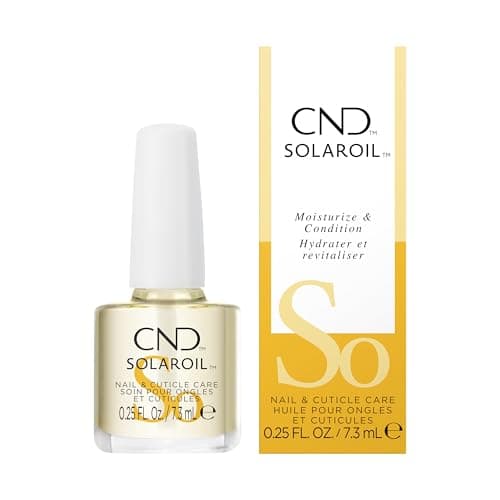
The one product to buy if you buy only one
CND SolarOil Nail & Cuticle Care
Jojoba-led, which is the reason it sinks in rather than sitting on top — and the reason it is the salon default.
- Oils
- Jojoba, vitamin E, rice bran, sweet almond
- Use
- Daily, top and underside of the nail
Skip ifSkip this if you will not use it daily. A cuticle oil in a drawer is money spent on nothing.
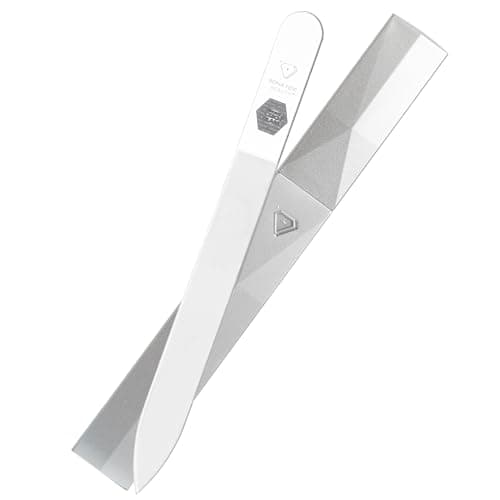
Anyone whose nails split or peel at the tip
Bona Fide Beauty Czech Glass Nail File
The one tool swap that changes peeling nails: an etched glass surface that seals the free edge instead of shredding it.
- Material
- Tempered Bohemian Czech glass, handmade
- Grit
- Etched into the glass, not sprayed on
Skip ifSkip this if you need to remove a lot of length regularly. A file is for shaping; a clipper takes the length.
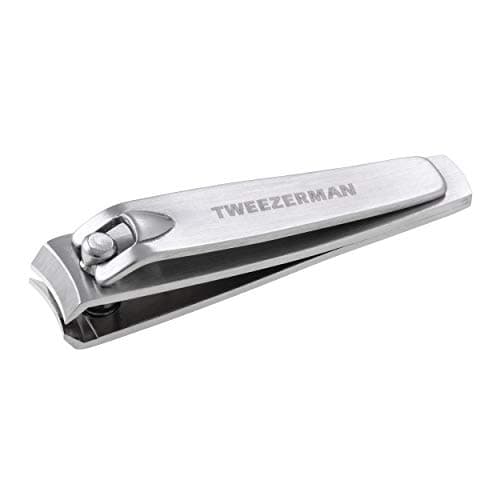
Replacing the blunt clipper in your bathroom drawer
Tweezerman Stainless Steel Fingernail Clipper
A curved, genuinely sharp blade for the price of a drugstore clipper that crushes the nail instead of cutting it.
- Model
- #3085-R, stainless steel
- Blade
- Curved, follows the natural curve of the nail
Skip ifSkip this if you only ever file your nails down. A clipper you never use is still clutter.
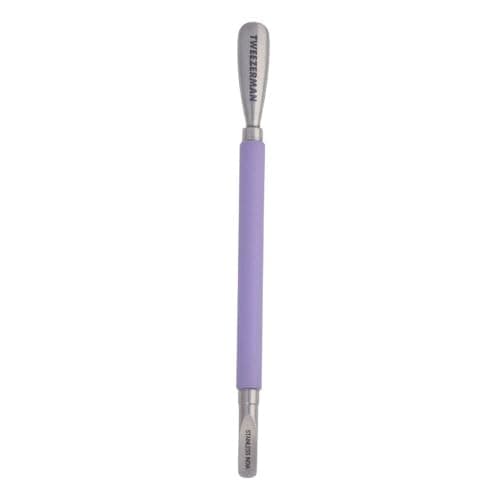
Tidying the cuticle line without cutting anything
Tweezerman Dual-Sided Pushy
A pusher, not a nipper — which is the distinction dermatologists actually care about, in a tool that is comfortable to hold.
- Model
- #3322-R, stainless steel with soft-touch body
- Scoop end
- Gently push back cuticle
Skip ifSkip this if you will not soften the cuticle first. A pusher used dry does more harm than skipping the step entirely.
FAQ
Frequently asked questions
What are the basics of nail care?
Oil the nails and cuticles daily, cut straight across and round the tips slightly, file with a glass file from the sidewall toward the center, push cuticles back instead of cutting them, and wear gloves for wet work.
How should you cut your nails?
Straight across with a sharp clipper, then round the corners slightly — the AAD's advice, for maximum strength. Square corners catch and split; heavily tapered nails lose the sidewall width that makes them strong.
Should you cut your cuticles?
No. The cuticle is a living seal that keeps water and bacteria out of where the nail is forming, and the AAD advises against having it cut. Soften it and push it back instead.
What is the single best thing for your nails?
A jojoba-led cuticle oil used twice a day. It is the cheapest product in the category and it outperforms hardeners, supplements and treatments for the most common problem, which is a dry brittle nail.
How long does it take to improve your nails?
Days for anything that affects the existing plate — oil, a gentler file. About six weeks for anything that depends on growth, since fingernails grow at roughly 3.5 mm a month. Reassess at week six, not week two.
Does buffing your nails damage them?
As a routine, yes — buffing removes plate, and the plate does not come back. Occasional buffing to knock down a ridge is fine; weekly buffing for shine thins nails that may already be thin.
Keep reading
Related guides
- The nail care routine →
Week by week.
- The at-home manicure routine →
The every-two-weeks version.
- The best cuticle oils →
Habit one.
- The best nail tools →
The four worth owning.
- Can you grow nails faster? →
The honest answer.
Sources
- —AAD — 11 tips for healthy nails · aad.org
- —AAD — Reducing artificial nail damage · aad.org
- —Harvard BioNumbers — human nail growth rate · bionumbers.hms.harvard.edu
- —CND — SolarOil · lovecnd.com
- —Bona Fide Beauty — Czech Glass Nail File in Hard Case · bonafidebeauty.com
- —Tweezerman — Stainless Steel Fingernail Clipper (#3085-R) · tweezerman.com
- —Tweezerman — Dual Sided Pushy (#3322-R) · tweezerman.com