Roundup · Best gel kit
The best gel nail kits for doing it at home
Gel kits compared on cure time, lamp spec and whether the box is genuinely complete.
Top pickOlive & June Gel Mani System
Hub 02 · Gel at home
A gel kit replaces a salon appointment only if you can also remove it safely. This hub covers both halves — what to buy, and what to do on day fourteen.
Tip & Topcoat is reader-supported. Product links go through our affiliate resolver and we may earn a commission from qualifying purchases, at no extra cost to you. Prices come from Amazon's API, carry the date they were read, and change constantly — the button always opens the current price on Amazon.
Row 1 is our pick · click any row for the full review
| # | Pick | Best for | Cost basis | Price |
|---|---|---|---|---|
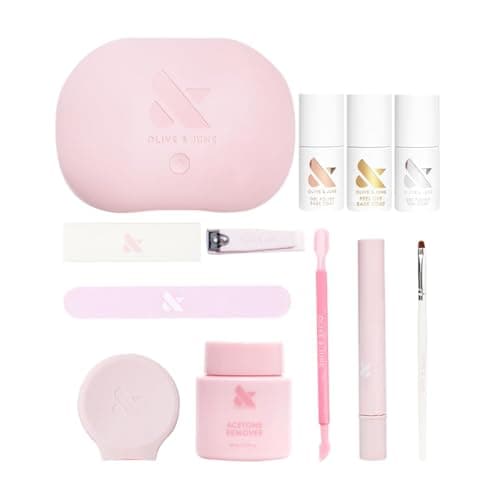
| 01 | Olive & June Gel Mani System The most complete box here, and the only one that ships a peel-off base coat so removal does not have to mean acetone. 2 minutes per coat | A first gel manicure you want to get right on the first attempt | Per manicure, across the life of the kit | |
| 02 | 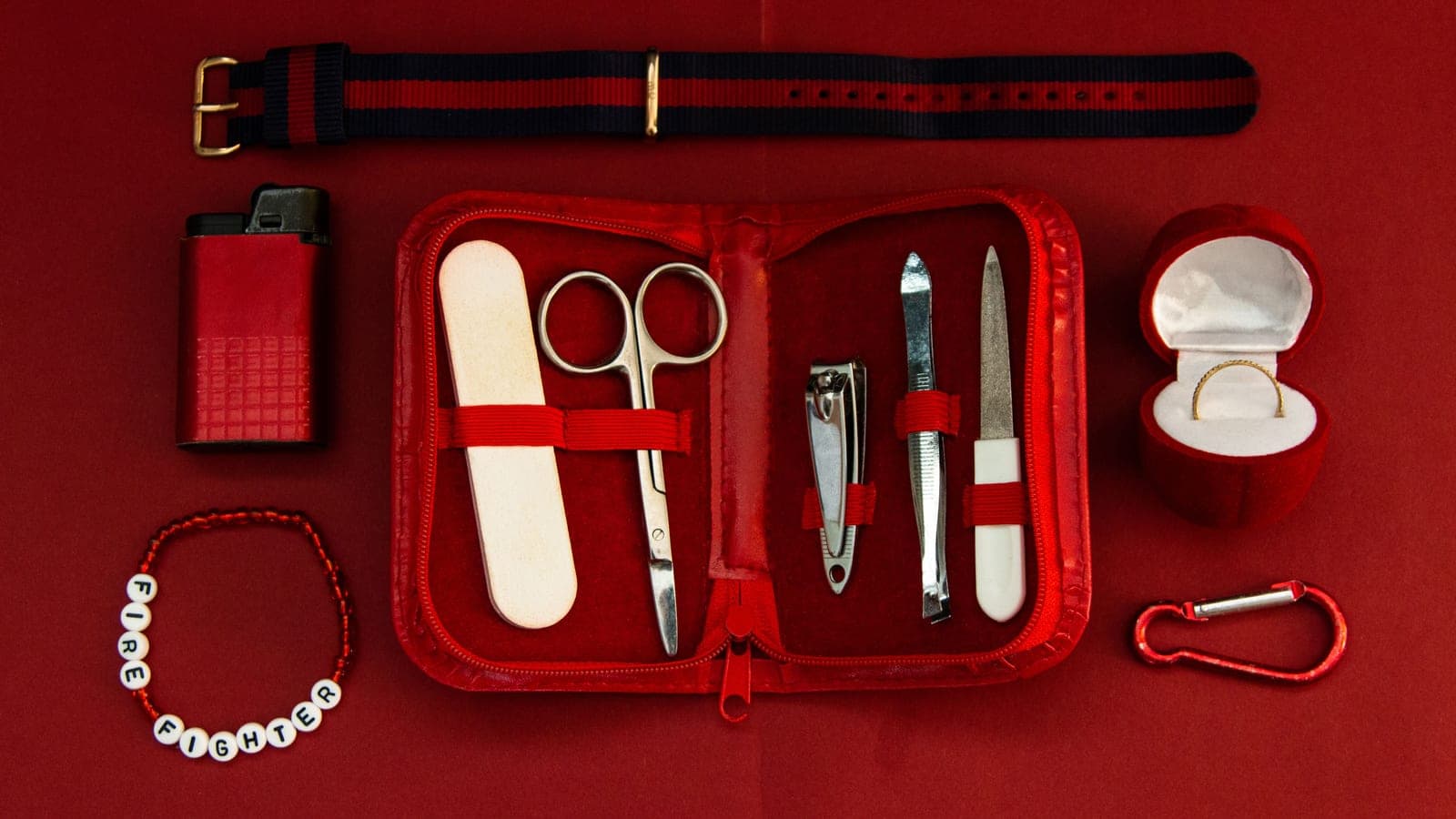 Beetles Beetles Gel Polish Starter Kit The cheapest way into gel that still includes a real 48W lamp rather than a token one. 48W, 30 LEDs | Finding out whether you will actually stick with gel | Per manicure, lowest entry cost in the category | |
| 03 | 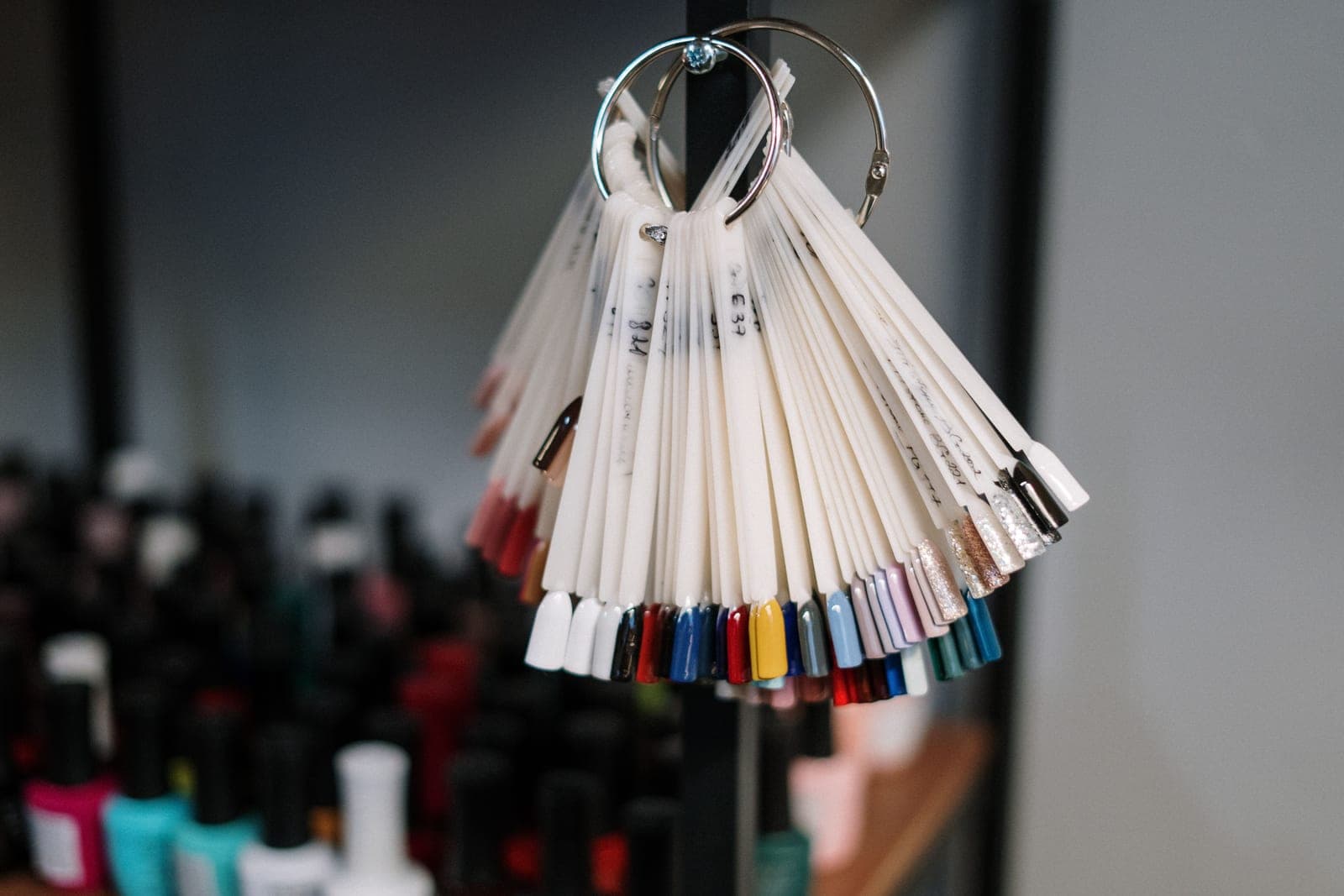 Gelish Gelish Complete Starter Kit A professional salon system sold as a starter box, with the prep chemistry — pH bond, cleanse, remover — most kits leave out. 30 seconds on the 18G LED | Learning the method a salon actually uses | Per manicure, across the stated 18+ manicures | |
| 04 | 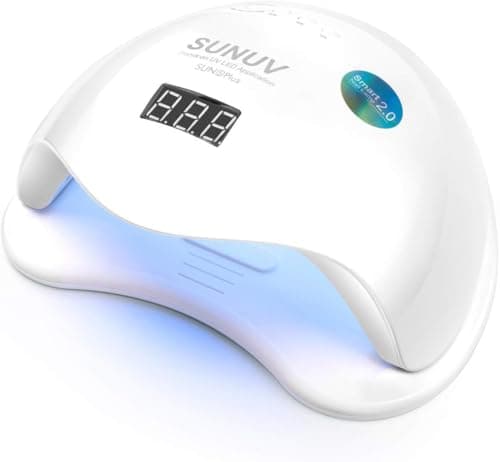 SUNUV SUN5 Plus The same 48W and the same timers as the SUN5, with half again as many LEDs spreading the cure more evenly. 48W, 36 dual-spectrum LEDs | Wide hands, long nails, or curing all five fingers at once | One-off, then per manicure across years of use | |
| 05 | 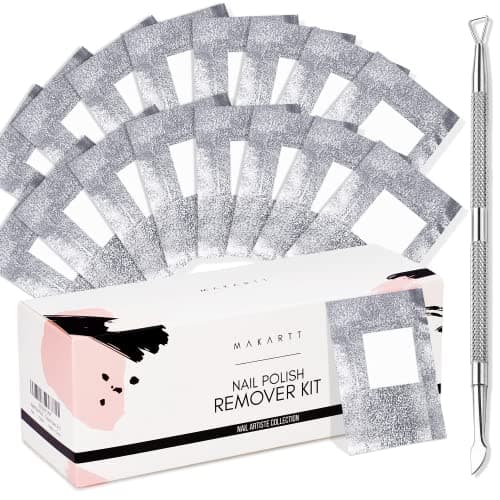 Makartt Soak-Off Gel Remover Foil Wraps Pre-attached cotton on a heavy foil wrap, which is the difference between a ten-minute removal and a thirty-minute mess. 200 wraps with cotton attached | Taking gel off without soaking your whole hand in acetone | Per removal, roughly twenty removals per pack |
Ranked on a published rubric from each brand's own specs and the pattern of what buyers consistently report. We have not tested these products and do not claim to have.
These five come from The best gel nail kits for doing it at home, which reviews all of them in full. Gel kits compared on cure time, lamp spec and whether the box is genuinely complete.
A gel manicure is four products and a light: a prep step, a base coat, color, and a top coat, each cured under UV or LED. Unlike ordinary polish, gel does not dry — it cures, through a light-triggered reaction. That is why there is no drying time and nothing to smudge, and also why there is no shortcut around owning a lamp.
The half of the process people underestimate is removal. Gel comes off through a ten-minute acetone soak, and doing that badly is where essentially all gel-related nail damage comes from. A home gel setup that has not planned for removal is the most common way a kit ends up in a drawer.
So this hub covers both halves. Kits and lamps on one side, removers and the dermatologist-published removal method on the other. If you only read two pages, read one from each side. If it is length you are after rather than color, soft gel tips are the extension system that soaks off the same way the polish does.
Here is the single biggest difference between salon gel and home gel, and it is not the gel.
Salons use a pH bond and a nail cleanse before the base coat. These dehydrate and balance the nail plate, which is what lets the base coat bond. Almost no consumer kit includes them, and lifting on day three is the entirely predictable result. Gelish's starter kit is the exception here, and that is most of why it produces salon-equivalent results — the products are the same ones salons buy.
If your kit has no prep chemistry, isopropyl alcohol on a lint-free pad immediately before the base coat does most of the job for almost nothing. Combined with a light buff to break the natural shine, it is the difference between a gel manicure that lasts three weeks and one that lifts in four days.
The other half of the technique is coat thickness. Gel cures from the surface inward, so a coat too thick to cure through sets on top and stays soft underneath — then releases later as a single sheet. Thin coats, every time, even though the first color coat will look streaky and wrong. Full method in how to do gel nails at home, and diagnosis in why gel polish peels. If the gel is tacky, wrinkled or soft straight off the lamp it is a cure failure rather than a bond failure, and that is a different list of causes — see why gel polish is not curing.
The same rule applies with more force to the thicker gels. If you want structure rather than color — a reinforcing overlay with an apex, on your own nails — the builder gel roundup ranks the bottles on whether they soak off, and on which brands publish a cure time at all. That soak-off question is the whole distinction behind builder gel versus hard gel, two names used interchangeably for products that come off in completely different ways. For added length rather than added strength, the comparison is Gel-X versus acrylic, and the home method is in doing Gel-X at home.
A gel and a lamp are one system, not two purchases. Gels cure at specific wavelengths — roughly 365 nm for older UV formulas and 405 nm for most LED-curable ones — so a lamp that emits only one of those will under-cure gels formulated for the other. A dual-wavelength lamp removes the problem, and it is the specification worth paying for. Wattage is the number on the box and the least useful one. The two lamp technologies, and why neither is the UV-free one, are set out in UV vs LED nail lamps.
On safety: both UV and LED nail lamps emit UV, predominantly UVA. "LED" describes the emitter, not the absence of UV. The widely-reported 2023 study that found DNA damage was done on cells in a dish rather than human skin, and clinical sources describe the real-world skin cancer risk as low while worth reducing. The AAD recommends choosing LED over older UV lamps because they cure faster, reducing exposure, and applying sunscreen or wearing fingerless gloves during the cure.
That evidence, including what the study did and did not show, is laid out properly in are UV nail lamps safe? — and if you would rather avoid lamps entirely, the lamp-free systems publish up to 11 to 15 days with no equipment at all.
There is a third route that keeps the gel and removes the brush work: semi-cured gel nail strips, which arrive about 60% cured and finish under any lamp in 45 to 60 seconds. That page ranks the strips on published wear and size ladder, and names the two no-lamp wraps worth buying if a lamp is a dealbreaker.
Whatever you cure, the last layer decides whether you finish with an alcohol wipe or not. The best no-wipe gel top coats ranks five bottles on the only spec that matters there — whether the brand publishes a cure time at all — and on which of them declare a HEMA-free formula rather than simply staying silent about it.
Roundups · top pick and a buy link on every tile
Roundup · Best gel kit
Gel kits compared on cure time, lamp spec and whether the box is genuinely complete.
Roundup · Best beginner kit
Kits judged on how recoverable a beginner mistake is, plus the four errors that cause most failures.
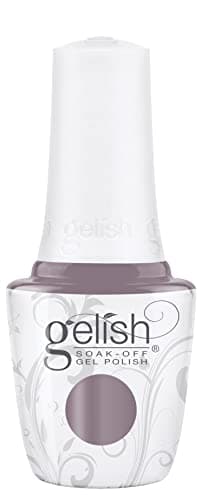
Roundup · Best gel polish
Gel polish compared on cure reliability, bottle size and removal — not on shade count.
Roundup · Best UV/LED lamp
Lamps compared on wavelength, LED count and timers — with the UV exposure evidence linked.
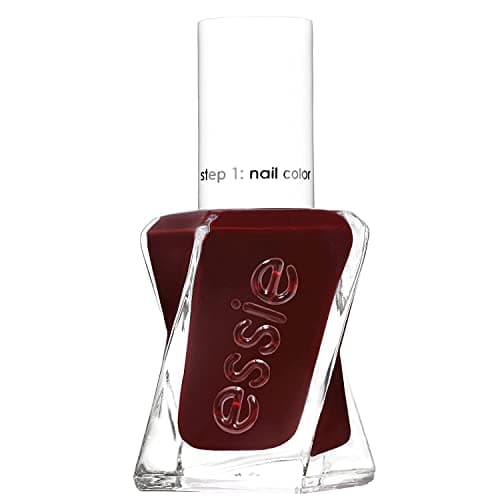
Roundup · Best gel look, no lamp
Lamp-free long-wear systems compared on published wear, with an honest note on what they are not.
Roundup · Best gel remover
Removal kits compared, plus the AAD's published method — and why plastic wrap beats foil.
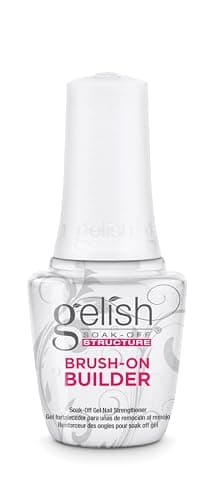
Roundup · Best builder gel
Builder gels ranked on soak-off removal, published cure times and apex control — with the HEMA-free option.
Roundup · Best soft gel tip kit
Soft gel tip kits compared on size range, the bonding system and whether the box includes a real lamp.
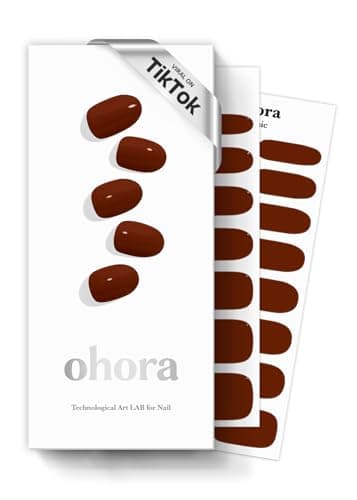
Roundup · Best gel nail strips
Five strips and wraps compared on published wear, cure time, size ladder and what each manicure costs.
Roundup · Best beginner builder gel
Four builder gels ranked for a first-timer on soak-off removal, published cure time and how much the bottle forgives.
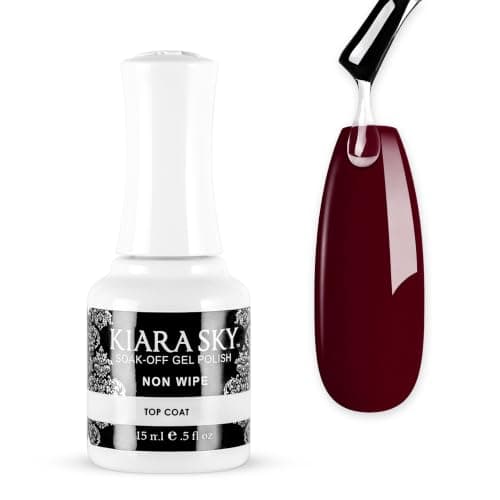
Roundup · Best no-wipe gel top coat
Five no-wipe gel top coats compared on published LED and UV cure times, HEMA and TPO status, and cost per bottle.
Comparisons and guides
Comparison
What each gel brand commits you to: bottle size, cure time, lamp match and refill cost.
Comparison
Two enhancement systems compared on wear, removal, damage risk and skill floor.
Comparison
Sculpting versus pre-formed soft gel tips, compared on skill, wear, removal and damage.
Comparison
Dip powder against gel on wear, removal, damage and skill — including the hygiene issue with dip.
Comparison
Tube lamps against LED on wavelength band, cure time and bulb life — and why neither is UV-free.
Comparison
Soft gel tips against acrylic on wear, removal, skill floor and damage — and which one a home user can actually do.
Comparison
The soak-off versus file-off distinction, how to tell which one a bottle actually is, and which to buy.
Comparison
Soft gel tips against dip powder on wear time, removal, damage risk, skill floor and what the kit costs.
Comparison
Shellac is CND's brand of soak-off gel polish. What that means for wear, removal, thickness and what to buy at home.
Comparison
The two leading gel strip brands compared on size ladder, published wear, cure requirement and what each manicure costs.
Comparison
Semi-cured gel strips against press-on sets on length, wear, removal damage and what each manicure costs.
Where this leads next
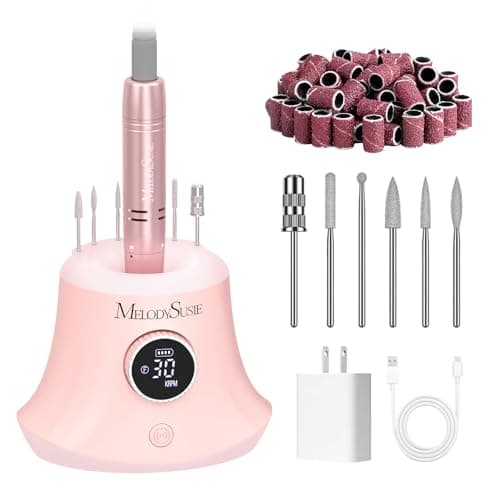
04Drills and removal
A drill is the fastest way to remove gel and the fastest way to wreck a nail plate. The difference is almost entirely technique, so this hub gives you both.
Open the hub →03Polish that lasts
Most polish roundups rank colors. This one ranks wear — because a shade you love that chips on day two is not a bargain.
Open the hub →