Guide · Guides
Why your gel polish is not curing
Tacky, wrinkled, bubbled or peeling straight off the lamp — each symptom points at a different cause.
Written by Janet H. · Owner, Janet Media Group
Published
Tip & Topcoat is reader-supported. Product links go through our affiliate resolver and we may earn a commission from qualifying purchases, at no extra cost to you. Prices come from Amazon's API, carry the date they were read, and change constantly — the button always opens the current price on Amazon.
Part of the guides hub.
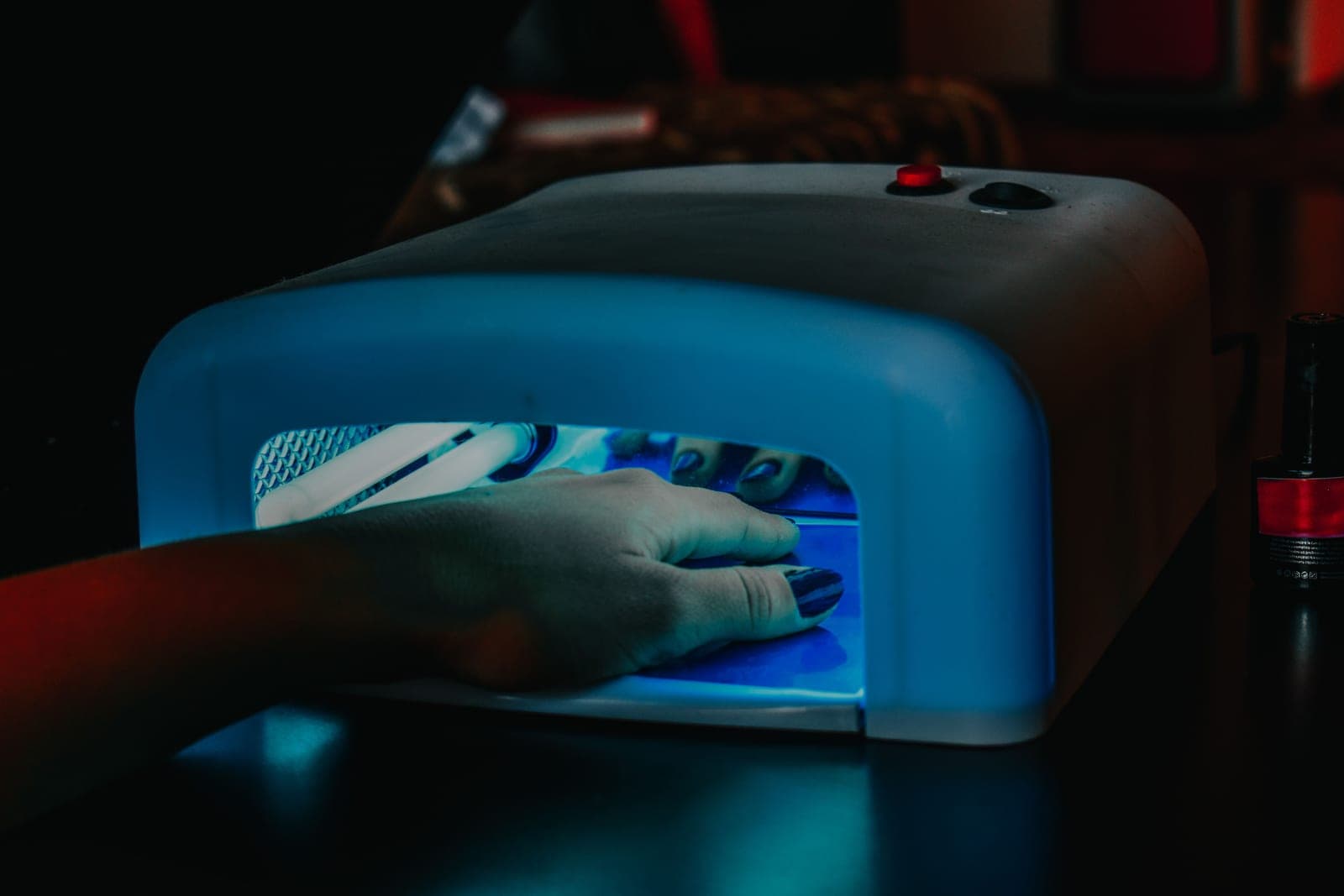
Read the symptom first
"Not curing" covers four different surfaces, and each one narrows the cause considerably. Look at the nail before you change anything.
| What you see | What it means | Most likely cause |
|---|---|---|
| Sticky film that wipes away | Normal — this is the inhibition layer | Nothing is wrong |
| Soft and dents under a fingernail | Genuine under-cure, through the layer | Thick coats, or lamp output |
| Wrinkled or ridged surface | Top cured before the bottom did | Coat far too thick |
| Peels off in one rubbery sheet | Cured but never bonded | Prep, or an oily nail |
| Bubbled | Air or solvent trapped in the layer | Shaken bottle, or heat |
| Cloudy, dull, patchy shine | Partial cure across the surface | Lamp bulb age or positioning |
The first row catches more people than any other cause on this page. A tacky layer on top of cured gel is the inhibition layer and it is supposed to be there: oxygen stops the very top molecules from polymerizing. You wipe it off with alcohol, or you use a no-wipe top coat formulated to cure through. It is not a failed cure.
Cause 1: the coats are too thick
This is the dominant cause and it is almost always the answer when the surface wrinkles.
Light has to travel through the whole layer to cure the bottom of it. A thick coat cures from the top down, and the cured top layer shrinks slightly as it polymerizes while the uncured bottom is still liquid — which is exactly what produces the wrinkled, ridged, orange-peel surface people describe as "not curing". Worse, a thick coat cures exothermically, which is what causes the heat spike you feel as stinging under the lamp.
The fix. Thinner coats, more of them. Two thin coats of color cure completely and look better than one thick coat ever will, and a thin coat does not generate enough heat to sting. Wipe the brush on the neck of the bottle until it carries a film rather than a bead.
Cause 2: the lamp does not match the gel
Gels cure when a photoinitiator in the formula absorbs light at a specific wavelength. LED lamps emit a narrow band — commonly around 365 to 405 nm — while older fluorescent UV lamps emit a broader one. If a gel's photoinitiator absorbs outside the band your lamp emits, the gel will not cure properly however long you leave it there.
This is the mechanism behind an entire category of frustrating failures, and the industry has written about it directly: using the correct nail lamp for the product is a prerequisite for a proper cure, not a nice-to-have. A dual-wavelength LED lamp covers more photoinitiators than a single-wavelength one, which is why the published wavelength range on a lamp listing is worth reading.
The fix. Cure each brand's gel in the lamp that brand recommends, or buy a dual-wavelength LED lamp with a published range. The full comparison is in UV versus LED nail lamps and the lamp roundup.
Cause 3: cure time and hand position
Cure times are not interchangeable between products. One gel on this site publishes a 30-second full cure and a 10-second flash cure; most bottles publish nothing at all, which leaves you guessing — and a guess that is short is an under-cure.
Hand position matters more than people expect. Light falls off with distance, and the thumb is the nail that most often sits outside the lamp's effective zone because it points a different way from the other four. A thumb that is tacky while the rest of the hand is hard is a positioning problem, not a product problem.
The fix. Cure thumbs separately, flat under the center of the lamp. Keep fingers flat rather than curled, so the nail surface faces the LEDs squarely. If a brand publishes no cure time, run a longer cure rather than a shorter one — over-curing a soak-off gel makes it harder to remove but does not ruin it.
Cause 4: the lamp has aged
Fluorescent UV tubes lose output long before they stop lighting up, which is the cruellest failure mode in this category: the lamp looks like it is working and the gel quietly under-cures. Tubes in a UV lamp are consumables with a service life, and a lamp that cured reliably last year may not this year.
LED diodes degrade far more slowly, which is one of the real arguments for LED over fluorescent, alongside the much shorter cure times.
The fix. If a lamp that used to work has started leaving tacky gel, replace the tubes before replacing the gel. If you are buying new, buy LED — see the lamp roundup.
Cause 5: it cured, but it never bonded
Gel that peels off in one rubbery sheet has cured perfectly. It just never gripped the nail, and that is a prep failure rather than a cure failure — a different problem with a different fix, worked through in why gel polish peels.
The fix in short. Push the cuticle back, remove the shine with a light buff (a light one — not a drill), dehydrate with alcohol or a dedicated dehydrator, cap the free edge with every layer, and keep all product off the skin. Product touching the cuticle is a lifting point and a sensitization risk at once.
Cause 6 and 7: the bottle and the room
Shaking the bottle. Gel is viscous and holds air. Shaking whips bubbles into it that then cure into the layer and show as pitting. Roll the bottle between your palms instead.
Light exposure. Gel left open on a sunlit worktop starts to polymerize in the bottle. If a bottle has gone noticeably thick and stringy, it has partly cured and it will never behave properly again. Keep caps on and bottles out of direct light.
A cold room. Cold gel is thicker, applies thicker, and cures less evenly. If you are working in an unheated room in winter, let the bottles come up to room temperature first.
Picks
What fixes an under-cure
Two lamps with published output figures and one gel with a published cure time — because an under-cure is almost always a mismatch between those two numbers.
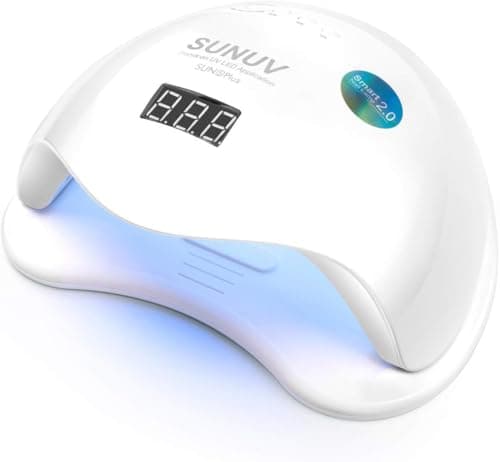
Wide hands, long nails, or curing all five fingers at once
SUNUV SUN5 Plus
The same 48W and the same timers as the SUN5, with half again as many LEDs spreading the cure more evenly.
- Power
- 48W, 36 dual-spectrum LEDs
- Timers
- 10s / 30s / 60s / 99s
Skip ifSkip this if you find gel curing uncomfortably hot. A denser LED array is warmer on the fingertips, not cooler.
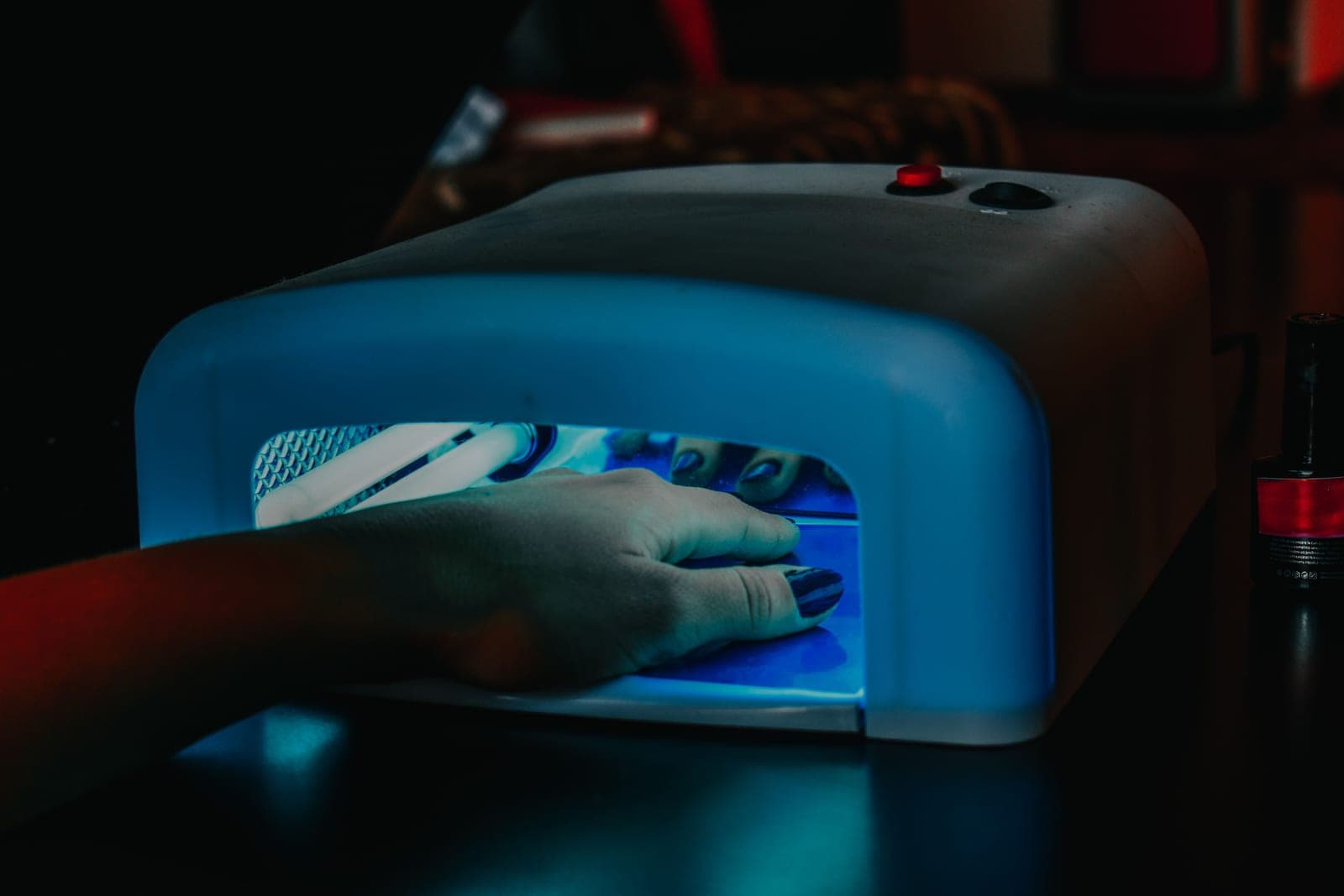
Gels and resins an LED lamp will not cure, and anyone who wants replaceable tubes
MelodySusie SOL 1 (S-Pro04) UV Nail Lamp
A real fluorescent-tube UV lamp: four replaceable 365 nm tubes, cure times in minutes rather than seconds.
- Power
- 36W, four 9W tubes
- Wavelength
- 365 nm
Skip ifSkip this if your gel brand specifies an LED lamp, or if you will not sit through two minutes per coat. For most people at home that is both.
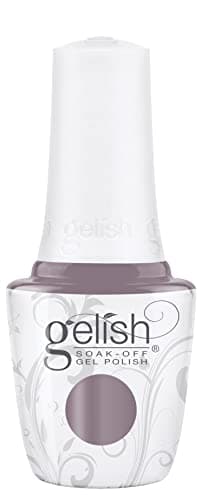
Matching salon results with salon products
Gelish Gelish Soak-Off Gel Polish
Salon-standard soak-off gel in a full 15 mL bottle, curing in 30 seconds on the brand's own LED.
- Bottle
- 15 mL (0.5 fl oz)
- Cure
- 30 seconds on the 18G LED
Skip ifSkip this if you already own a no-name lamp and do not intend to replace it. Cure mismatch is the usual cause of early lifting.
FAQ
Frequently asked questions
Why is my gel polish still sticky after curing?
A thin tacky film that wipes away with alcohol is the inhibition layer and it is normal — oxygen prevents the topmost molecules polymerizing. Gel that is soft all the way through and dents under a fingernail is genuinely under-cured.
Why does my gel polish wrinkle after curing?
The coat was too thick. The top cured and shrank while the bottom was still liquid. Two thin coats cure completely and look better than one thick coat, and they do not generate the heat spike that stings.
Can any UV lamp cure any gel polish?
No. Gels cure when a photoinitiator absorbs light at a specific wavelength, and LED lamps emit a narrow band. A gel whose photoinitiator sits outside your lamp's range will not cure however long you leave it. Dual-wavelength LED lamps cover more products.
How long should gel polish cure for?
Whatever the brand publishes — one gel on this site states 30 seconds full cure and 10 seconds flash. If no time is published, err long rather than short: over-curing a soak-off gel makes removal slower but does not ruin the manicure.
Do UV nail lamp bulbs wear out?
Fluorescent UV tubes lose output well before they stop lighting up, so a lamp that still looks fine can quietly under-cure. LED diodes degrade much more slowly. If a working lamp starts leaving tacky gel, replace the tubes first.
Can you cure regular nail polish under a UV lamp?
No. Regular polish contains no photoinitiator and dries by solvent evaporation, so a lamp does nothing — it will not cure it and will not speed up the drying.
Keep reading
Related guides
- Why gel polish peels →
Cured but never bonded.
- UV vs LED nail lamps →
Wavelength and output.
- The best lamps →
Published output figures.
- Gel nails at home →
The full method.
- The best gel polish →
Bottles with published cure times.
Sources
- —UV+EB Technology — using the correct nail lamp for proper curing · uvebtech.com
- —Nail Knowledge — can I cure nail polish in a lamp? · nailknowledge.org
- —NAILS Magazine — the science of gels · nailsmag.com
- —SUNUV — SUN5 Plus · sunuv.com
- —MelodySusie — SOL 1 (S-Pro04) UV Nail Lamp · melodysusie.com
- —Gelish — Essential Products · gelish.com