Guide · Guides
Why your gel polish keeps peeling off
Peeling, lifting and chipping are three different failures. Work out which one you have and the fix is obvious.
Written by Janet H. · Owner, Janet Media Group
Published
Tip & Topcoat is reader-supported. Product links go through our affiliate resolver and we may earn a commission from qualifying purchases, at no extra cost to you. Prices belong to the retailer and change constantly, so every button opens the live price on Amazon rather than showing you a number that may already be wrong.
Part of the guides hub.
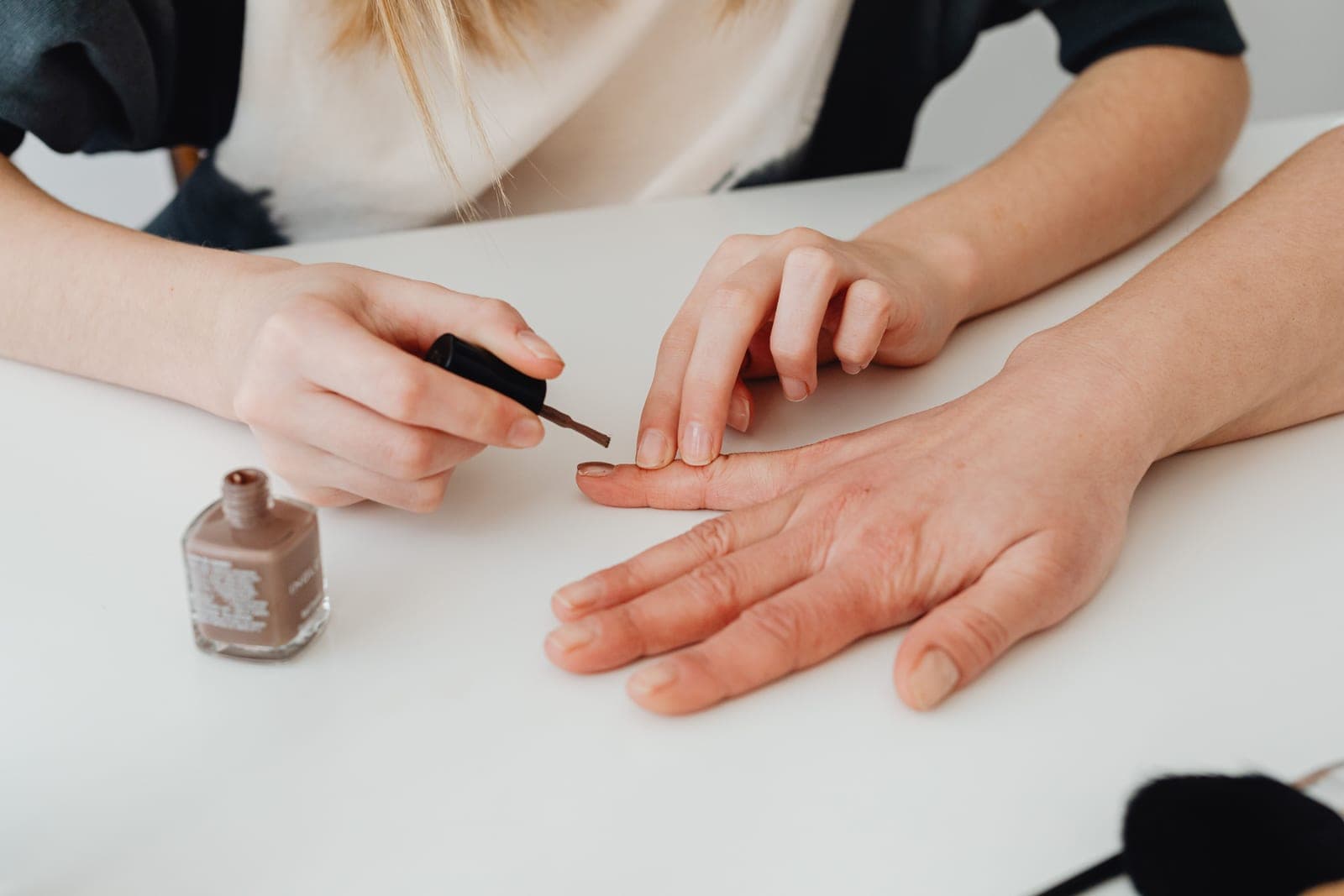
Diagnose it by how it failed
| What you see | What went wrong | The fix |
|---|---|---|
| Comes off in one whole sheet | Under-cured, or oil on the nail | Thinner coats; cleanse before base |
| Lifts at the cuticle first | Gel touched the skin | Leave a hairline gap all round |
| Lifts at the sidewalls | Gel touched skin, or coat too thick at the edges | Thinner coats; keep the gap |
| Chips at the free edge | Edge not capped | Cap the edge with every coat |
| Peels after a few days, tacky underneath | Lamp/gel wavelength mismatch | Dual-wavelength lamp; longer cure |
| Bubbles or wrinkles | Coat too thick, or shaken bottle | Thin coats; roll the bottle, do not shake |
Lifting at the cuticle: the most common one
If your gel starts coming away at the base of the nail, the cause is nearly always the same: gel touching skin.
A gel layer that bridges from nail onto cuticle creates a rigid seal between a fixed surface and a moving one. Skin flexes every time you use your hand; the seal cannot, so it breaks — and once there is a break, water gets underneath and the lift spreads.
The fix is a hairline gap of well under a millimeter around the entire nail. It is invisible at normal viewing distance and it roughly doubles wear. Most people leave a gap at the cuticle and forget the sidewalls, which is where the second-most-common lift starts.
Coming off in one sheet: under-curing or prep
A whole layer of gel releasing intact is the signature of one of two failures, and they are worth telling apart.
Under-curing. The sheet feels slightly soft or sticky on its underside. Gel cures from the surface inward as light penetrates it, so a coat too thick to cure through sets on top and stays soft underneath. Fix: thinner coats, and check your lamp cures your gel — cure times are a gel-and-lamp pairing, not a general number.
Prep. The sheet is fully hard and comes away cleanly, having never bonded. Fix: buff off the natural shine and wipe with cleanser or isopropyl alcohol immediately before the base coat. If your kit has a pH bond, use it — this is exactly what it is for, and it is what consumer kits usually omit.
When the lamp is genuinely the problem
Sometimes it is the equipment. Three things to check before blaming technique:
- Wavelength. Older UV formulas want around 365 nm; most LED-curable gels want around 405 nm. A single-wavelength lamp will under-cure gels formulated for the other. A dual 365/405 nm lamp removes the problem.
- Coverage. Fewer LEDs means shadowed spots, and a shadowed spot is an under-cured spot. This is why a 36-LED lamp outperforms a 24-LED one on wide hands regardless of matching wattage.
- Age. LEDs dim over thousands of hours. A lamp that has cured hundreds of manicures may need longer cure times than it did when new.
See the lamp roundup for what to look for.
Whatever you do, do not pick it
A lifting edge is an invitation and it should be declined. Gel bonds to the top layer of the nail plate, so peeling it takes nail with it — the AAD warns that picking or filing off gel polish can significantly damage your nails.
If a nail has lifted and it is bothering you, remove that nail properly with a ten-minute acetone wrap rather than picking at it, and repaint it. The method is in removing gel polish at home.
Picks
If the fix is a purchase
Most causes here are technique. These three are the cases where equipment or prep chemistry genuinely is the answer.
Learning the method a salon actually uses
Gelish Gelish Complete Starter Kit
A professional salon system sold as a starter box, with the prep chemistry — pH bond, cleanse, remover — most kits leave out.
- Cure time
- 30 seconds on the 18G LED
- Kit covers
- Brand states 18+ manicures
Skip ifSkip this if you want a two-bottle routine. This is a five-product system and it expects you to follow it.
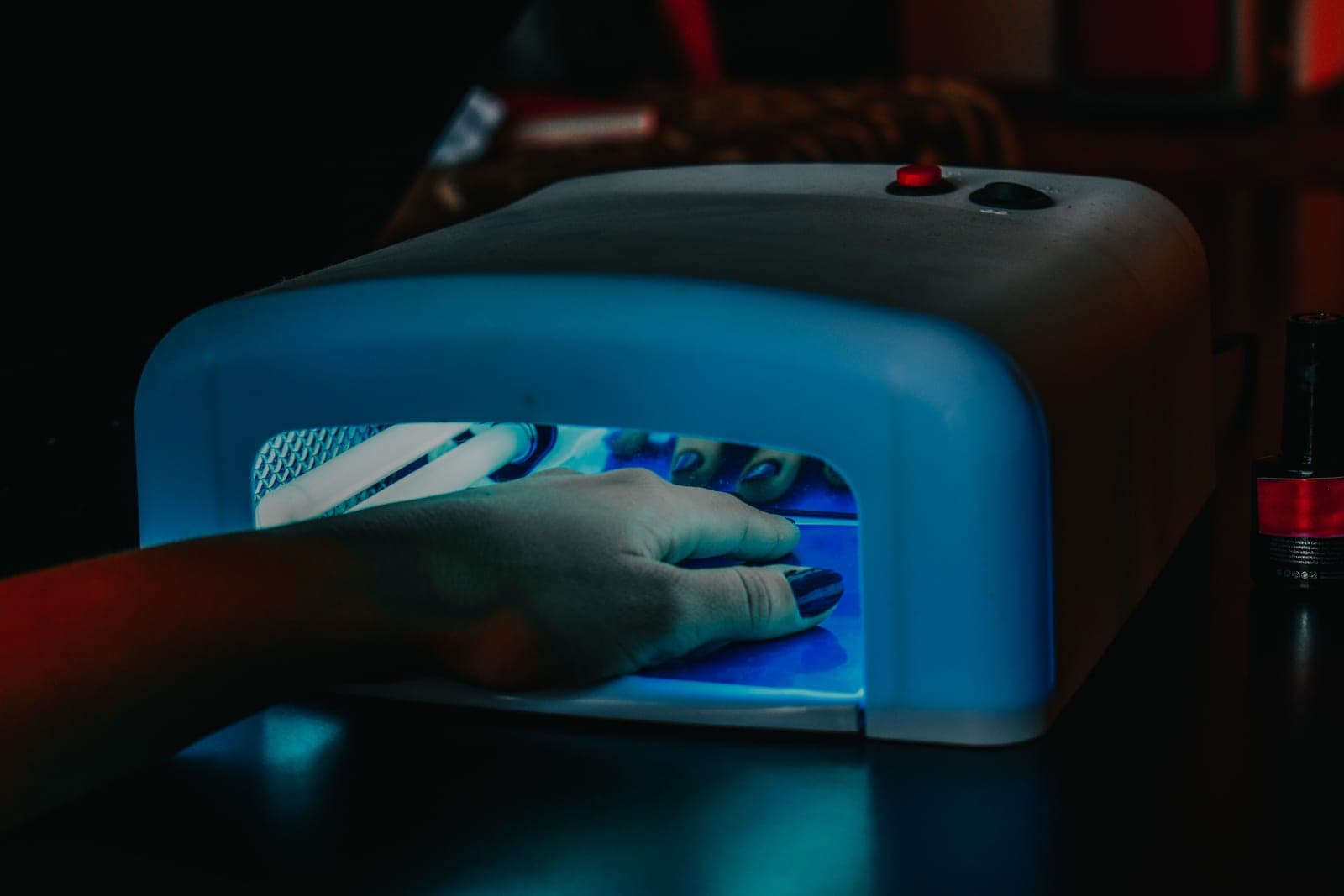
Wide hands, long nails, or curing all five fingers at once
SUNUV SUN5 Plus
The same 48W and the same timers as the SUN5, with half again as many LEDs spreading the cure more evenly.
- Power
- 48W, 36 dual-spectrum LEDs
- Timers
- 10s / 30s / 60s / 99s
Skip ifSkip this if you find gel curing uncomfortably hot. A denser LED array is warmer on the fingertips, not cooler.
A first gel manicure you want to get right on the first attempt
Olive & June Gel Mani System
The most complete box here, and the only one that ships a peel-off base coat so removal does not have to mean acetone.
- Cure time
- 2 minutes per coat
- Brand wear claim
- Up to 21 days
Skip ifSkip this if you are impatient. Four coats at two minutes each is eight minutes of sitting still per hand.
FAQ
Frequently asked questions
Why does my gel nail polish keep peeling off?
If it comes off in one sheet, it was under-cured or the nail was not prepped. If it lifts at the cuticle, gel touched skin. If it chips at the tip, the free edge was not capped.
Why does gel polish lift at the cuticle?
Because gel bridged from the nail onto skin. Skin moves and the rigid seal breaks. Leave a hairline gap around the whole nail, sidewalls included.
Why is my gel polish still tacky after curing?
A tacky surface layer is normal and wipes off with cleanser unless you used a no-wipe top coat. Tacky underneath a peeled sheet is different — that is under-curing.
Can a weak lamp cause gel to peel?
Yes. A wavelength mismatch, too few LEDs causing shadowed spots, or an ageing lamp all cause under-curing, which presents as peeling days later.
Should I pick off lifting gel polish?
No. Gel bonds to the top layer of the nail plate, so picking takes nail with it. Remove that nail properly with a ten-minute acetone wrap and repaint it.
Keep reading
Related guides
- Doing gel at home →
The method that prevents this.
- UV and LED lamps →
If the lamp is the problem.
- Gel kits with prep chemistry →
If prep is the problem.
- Removing gel properly →
Rather than picking it.
- The best gel polish →
Matching gel to lamp.
Sources
- —AAD — Removing gel polish at home · aad.org
- —Gelish — Complete Starter Kit · gelish.com
- —SUNUV — SUN5 Plus · sunuv.com
- —Olive & June — Gel Mani System · oliveandjune.com