Guide · Guides
How to remove gel polish at home
The American Academy of Dermatology publishes a method. It takes ten minutes and it differs from what most kits tell you.
Written by Janet H. · Owner, Janet Media Group
Published
Tip & Topcoat is reader-supported. Product links go through our affiliate resolver and we may earn a commission from qualifying purchases, at no extra cost to you. Prices belong to the retailer and change constantly, so every button opens the live price on Amazon rather than showing you a number that may already be wrong.
Part of the guides hub.
Removing gel polish at home · 7 steps
Step 01
Protect the skin
Apply a thin layer of petroleum jelly to each cuticle and the surrounding skin. Acetone is drying and this is the barrier.
Step 02
Cut cotton to size
Roughly a quarter of a cotton ball for the pinkies and half for the other nails, so each piece covers the nail without overhanging far.
Step 03
Soak each piece in acetone
Saturate the cotton in 100% acetone. Ordinary polish remover will not break down soak-off gel.
Step 04
Wrap with plastic food wrap
Place the soaked cotton on the nail and wrap the fingertip in plastic food wrap. Plastic seals tighter than foil, so the acetone is less likely to drip.
Step 05
Wait ten minutes
Leave the wraps in place for ten minutes. Do not shorten this — softened gel wipes away, unsoftened gel has to be scraped, and scraping is the damage.
Step 06
Wipe away the softened gel
Use a warm, damp washcloth to gently rub off the remaining polish. Never scrape residue with an orange stick or a metal tool.
Step 07
Wash and moisturize
Wash hands with a mild, fragrance-free soap, then work petroleum jelly or cuticle oil into the cuticles. Repeat daily for seven days.
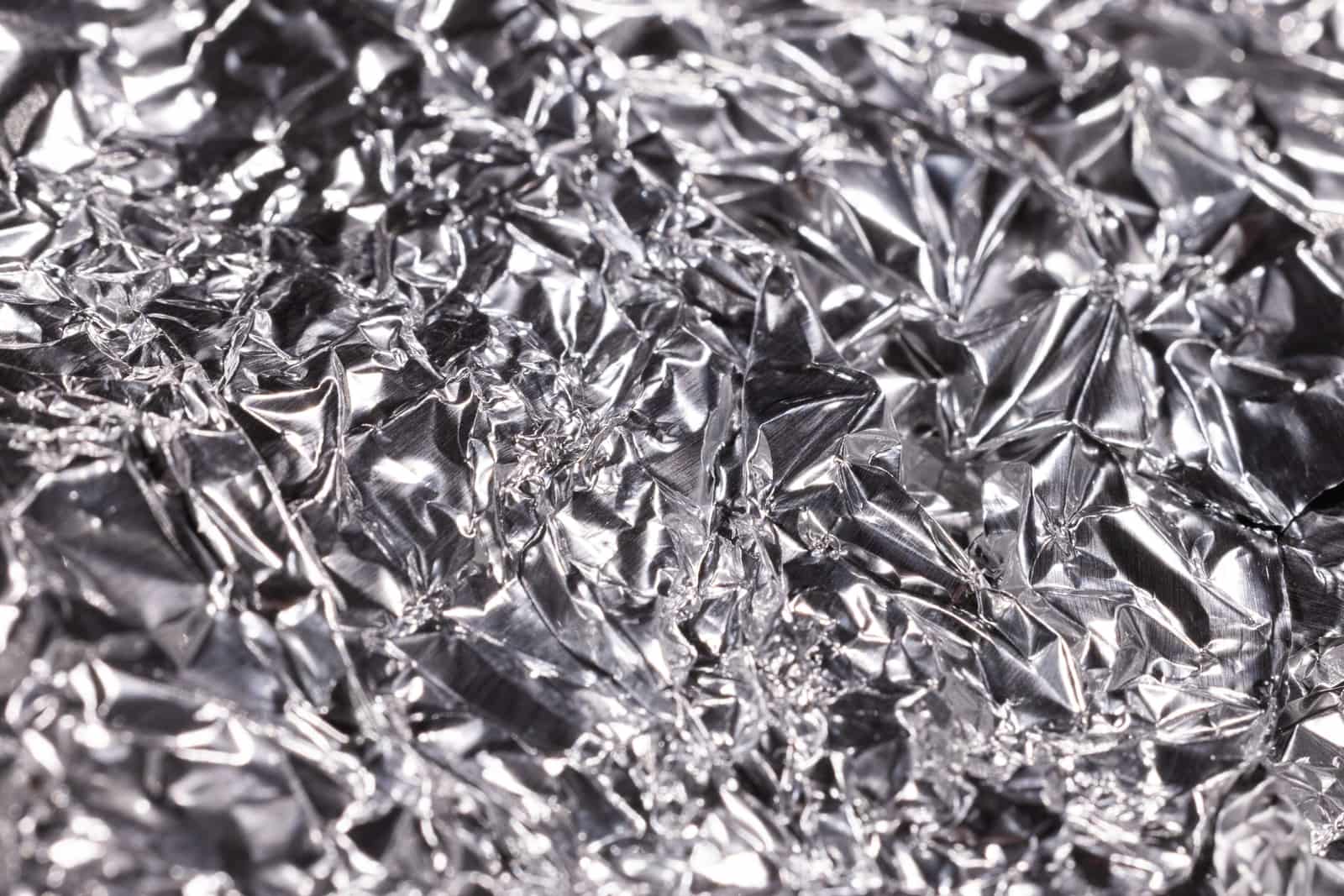
Plastic wrap, not foil — and this is not a preference
Practically every removal kit sold contains foil. The AAD recommends plastic food wrap instead, and gives the reason: plastic creates a tighter seal than foil, so the acetone is less likely to drip.
A tighter seal does two things. It keeps acetone in contact with the gel rather than evaporating or running down your finger, which is what makes ten minutes enough. And it keeps acetone off the skin around the nail, which is where most of the drying and irritation happens.
Foil wrap kits are buying convenience — pre-attached cotton, no cutting. That is a genuine time-saver and it is not the dermatologist-preferred material. If you have plastic wrap and cotton balls at home, you already own the better method.
Why picking it off is the worst thing you can do
Gel bonds to the top layer of the nail plate. When you pick or peel it, the bond does not fail at the gel — it fails inside your nail, and the gel takes a layer of nail plate with it.
The AAD is direct: picking or filing off gel nail polish can significantly damage your nails, and scraping remaining polish with an orange stick causes damage and white spots.
The damage is to the plate, which means it grows out — but slowly. The AAD notes that a fingernail takes about six months to grow out fully, and a toenail twelve to eighteen. Ten minutes of waiting is a good trade against six months of thin nails.
Builder gel, hard gel and extensions
Soak-off gel polish dissolves in acetone. Hard gels and many builder gels do not — they are formulated to resist it, which is what makes them durable, and it means they have to be filed down instead.
Two things follow. First, check what you are wearing before you plan a removal: a soak that is not working after twenty minutes usually means the product is not soak-off. Second, if it is a hard product, the safest home approach is the hybrid one — file only the top layers down with a drill, then soak the remainder. Never file to the natural nail. See drills for gel removal and are nail drills safe?
If you are unsure, a salon removal is a legitimate answer. It is cheaper than a damaged nail.
The seven days afterwards
This is the part almost everyone skips, and it is written into the AAD's method for a reason: gently rub petroleum jelly into your cuticles every day for seven days.
Acetone strips oil out of the nail plate and the surrounding skin. Putting it back is the repair, and it takes about a week of daily application to restore flexibility to a nail that has been stripped. A jojoba-led cuticle oil does the same job as petroleum jelly and absorbs rather than sitting on the surface.
Also worth doing: leave the nails bare for a week or two before the next set. The AAD recommends a one-to-two-week polish holiday between gel applications.
The option nobody mentions: just grow it out
If your nails are already damaged and the thought of more acetone is unappealing, you can simply let the gel grow out. It looks untidy for a few weeks as the regrowth line advances, and it is completely harmless.
The AAD notes fingernails take around six months to grow out fully. In practice the gel usually lifts and comes away on its own long before that, in fragments, as the nail beneath it flexes. Trim the free edge as it grows and let it go.
Picks
What makes it easier
The method needs only cotton, acetone and plastic wrap. These three make it faster and less messy.

Taking gel off without soaking your whole hand in acetone
Makartt Soak-Off Gel Remover Foil Wraps
Pre-attached cotton on a heavy foil wrap, which is the difference between a ten-minute removal and a thirty-minute mess.
- Count
- 200 wraps with cotton attached
- Foil size
- 9 × 6.5 cm
Skip ifSkip this if you already have plastic food wrap and cotton at home. That combination is what dermatologists actually recommend, and it is free.
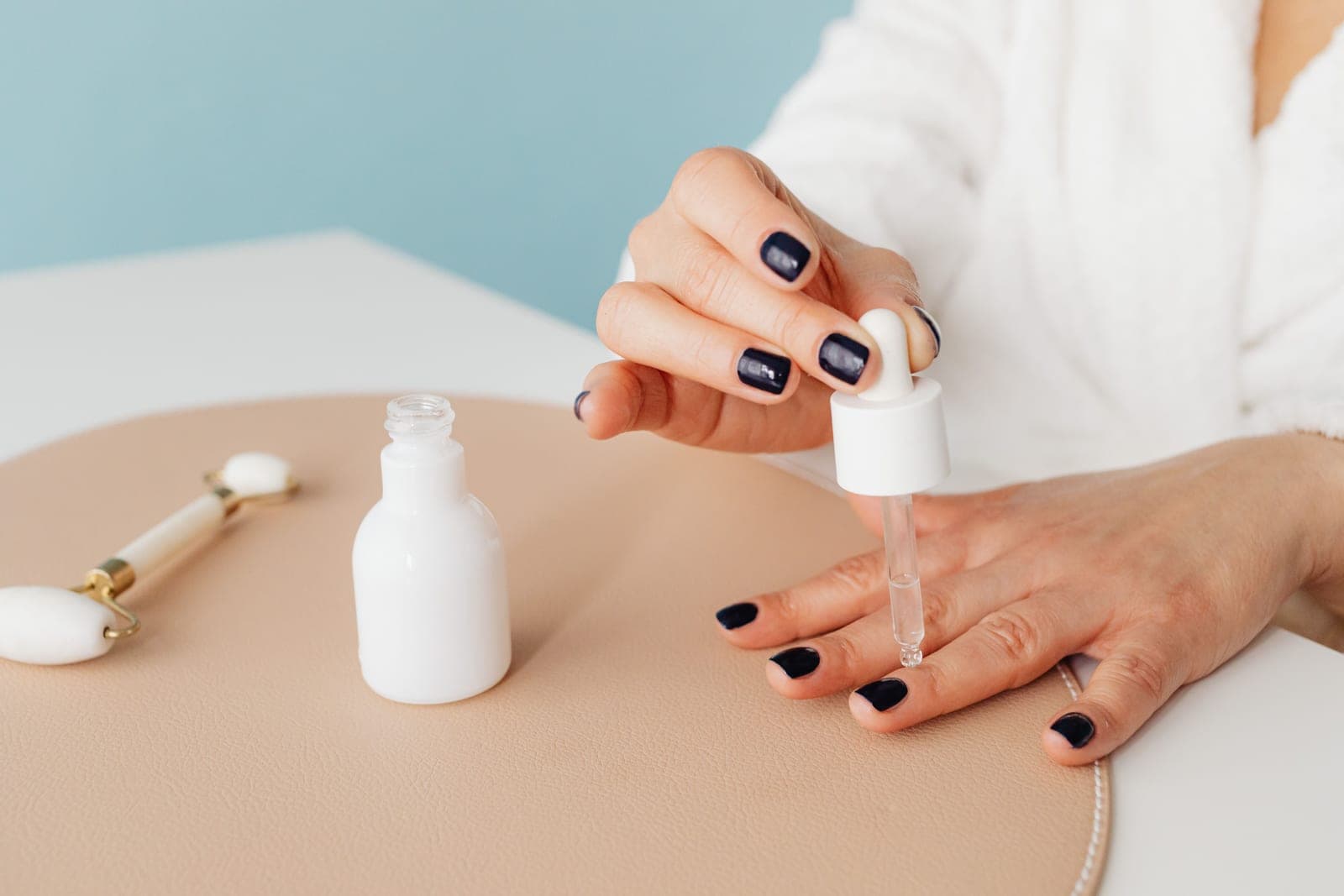
The one product to buy if you buy only one
CND SolarOil Nail & Cuticle Care
Jojoba-led, which is the reason it sinks in rather than sitting on top — and the reason it is the salon default.
- Oils
- Jojoba, vitamin E, rice bran, sweet almond
- Use
- Daily, top and underside of the nail
Skip ifSkip this if you will not use it daily. A cuticle oil in a drawer is money spent on nothing.
Removing a heavily layered or glittered gel manicure
Beetles Gel Polish Remover Kit
Thicker cotton and droppers in the box, aimed squarely at removing two or three layers of color in one soak.
- Count
- 200 wraps, 5 droppers
- Cotton
- Brand states 66% thicker
Skip ifSkip this if you wear one thin coat of gel. More acetone contact than you need is not a feature.
FAQ
Frequently asked questions
How do you remove gel nail polish at home?
Petroleum jelly on the cuticles, cotton soaked in 100% acetone on each nail, wrapped in plastic food wrap for ten minutes, then rubbed off with a warm damp cloth. That is the AAD's published method.
Is foil or plastic wrap better for removing gel?
Plastic food wrap. The AAD recommends it over foil because it creates a tighter seal, so acetone is less likely to drip.
Can you remove gel polish with regular nail polish remover?
No. Soak-off gel needs 100% acetone held against the nail. Ordinary remover is too dilute to break it down.
What if gel polish won't come off?
Re-wrap and wait another ten minutes. If it still resists after twenty, you may be wearing a hard or builder gel, which is not soak-off and needs filing down rather than soaking.
How do you repair nails after removing gel?
Work petroleum jelly or cuticle oil into the cuticles daily for seven days, and leave the nails bare for a week or two before the next application.
Can you just let gel polish grow out?
Yes, and it is harmless. Fingernails take around six months to grow out fully, though gel usually lifts away in fragments long before that.
Keep reading
Related guides
- Gel removers compared →
Wraps, kits and what they save.
- Repairing nails after gel →
If damage is already done.
- Drills for gel removal →
The hybrid method.
- The best cuticle oils →
The seven-day aftercare.
- Doing gel at home →
The other half of the cycle.
Sources
- —AAD — How to remove gel nail polish at home (Dr. Shari Lipner) · aad.org
- —AAD — Gel manicures: tips for healthy nails · aad.org
- —Makartt — remover foil wraps · makartt.com
- —CND — SolarOil · lovecnd.com
- —Beetles — gel polish remover kit · beetlesgel.com