Roundup · Best nail drill
The best nail drills for home use
Drills compared on low-speed control, heat and handling — not on headline RPM.
Top pickMelodySusie SC320G Rechargeable Nail Drill
Hub 04 · Drills and removal
A drill is the fastest way to remove gel and the fastest way to wreck a nail plate. The difference is almost entirely technique, so this hub gives you both.
Tip & Topcoat is reader-supported. Product links go through our affiliate resolver and we may earn a commission from qualifying purchases, at no extra cost to you. Prices belong to the retailer and change constantly, so every button opens the live price on Amazon rather than showing you a number that may already be wrong.
Row 1 is our pick · click any row for the full review
| # | Pick | Best for | Cost basis | Price |
|---|---|---|---|---|
| 01 | MelodySusie SC320G Rechargeable Nail Drill Cordless, one-button forward/reverse, and a dial that genuinely starts near zero — the combination beginners need. 0–30,000 RPM, dial | A first drill you will not immediately hurt yourself with | One-off, then per removal across years | |
| 02 | Medicool Pro Power 20K A professional belt-clip machine with real torque figures published — and a model name that misleads on speed. 30,000 RPM (the name is not the speed) | Buying once, at professional build quality | One-off, built for years of daily use | |
| 03 |  MelodySusie Scarlet SC320I The corded sibling, with a foot pedal — which frees a hand and is why this is the one to learn on. 0–30,000 RPM, variable | Learning technique with both hands free to steady the work | One-off, then per removal across years | |
| 04 | Makartt Nouvella Professional Nail Drill A 60W coreless motor with an LCD readout, so you can see the speed instead of guessing at a dial position. Up to 35,000 RPM | Heavy removal work — acrylic, dip powder, builder gel | One-off, then per removal across years | |
| 05 | Makartt Genesie Nail Drill Four Japanese precision bearings, which is the specification that actually predicts low vibration and low heat. Adjustable to 35,000 RPM | Long sessions where heat build-up is the real problem | One-off, then per removal across years |
Ranked on a published rubric from each brand's own specs and the pattern of what buyers consistently report. We have not tested these products and do not claim to have.
These five come from The best nail drills for home use, which reviews all of them in full. Drills compared on low-speed control, heat and handling — not on headline RPM.
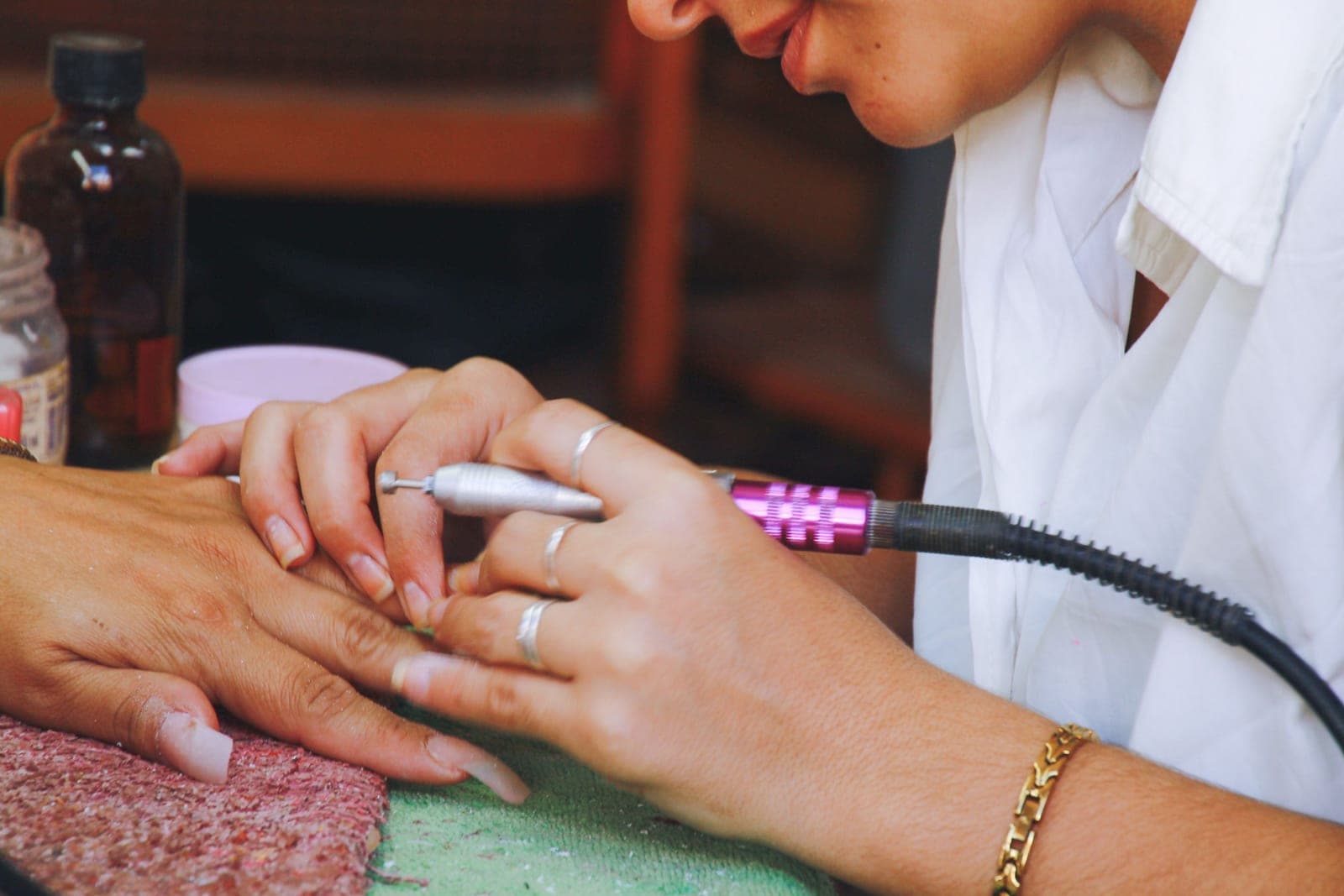
A nail drill is the fastest way to remove gel and the fastest way to thin a nail plate. The difference between those outcomes is almost entirely technique, so this hub leads with the risk rather than burying it below the product tiles.
The specific injury has a name in the trade: rings of fire — red rings or grooves worn into the nail plate near the cuticle by too much pressure, too high an RPM, or passing over the same spot repeatedly. The redness is the nail bed showing through a plate that has been thinned to near-transparency. In prolonged cases the damage can reach the matrix, which means the nail grows back wrong rather than simply growing back.
It is also worth saying plainly that a drill is never necessary at home. The dermatologist-recommended removal method uses acetone, cotton and plastic food wrap, and it works. A drill makes that removal faster; it does not make it possible. Buying one is a convenience purchase with a real downside risk — a reasonable thing to buy, provided you know that is what you are buying.
Read are nail drills safe? and how to use one before the first use, not after.
Manufacturers compete on RPM because it is a big number, and at home almost nothing you do needs the top of the range. What matters instead:
One naming trap worth knowing: Medicool's "Pro Power 20K" runs at 30,000 RPM. The 20K is a model name, not a speed, and a lot of buyers get this wrong when comparing.
If you take one thing from this hub, take the hybrid removal method, because it is faster than drilling and far safer than either extreme.
Gel is sealed by its top coat, and acetone cannot penetrate an intact seal — which is why a soak sometimes takes twenty minutes and still leaves patches. So: use the drill at low speed with a medium safety bit to take off only the shiny top layer, stopping the moment the surface is matte. Then use the AAD's wrap method — cotton soaked in acetone, wrapped in plastic food wrap, ten minutes — to dissolve the rest.
The drill never touches your nail plate. You get the speed benefit and none of the risk. Detail in drills for gel removal, and the bit to use in the grit guide.
Roundups · top pick and a buy link on every tile
Roundup · Best nail drill
Drills compared on low-speed control, heat and handling — not on headline RPM.

Roundup · Best beginner drill
Drills judged on low-speed control and forgiveness, plus the five beginner rules.
Roundup · Best for gel removal
Drills for gel removal, plus the hybrid file-then-soak method that is faster and safer.
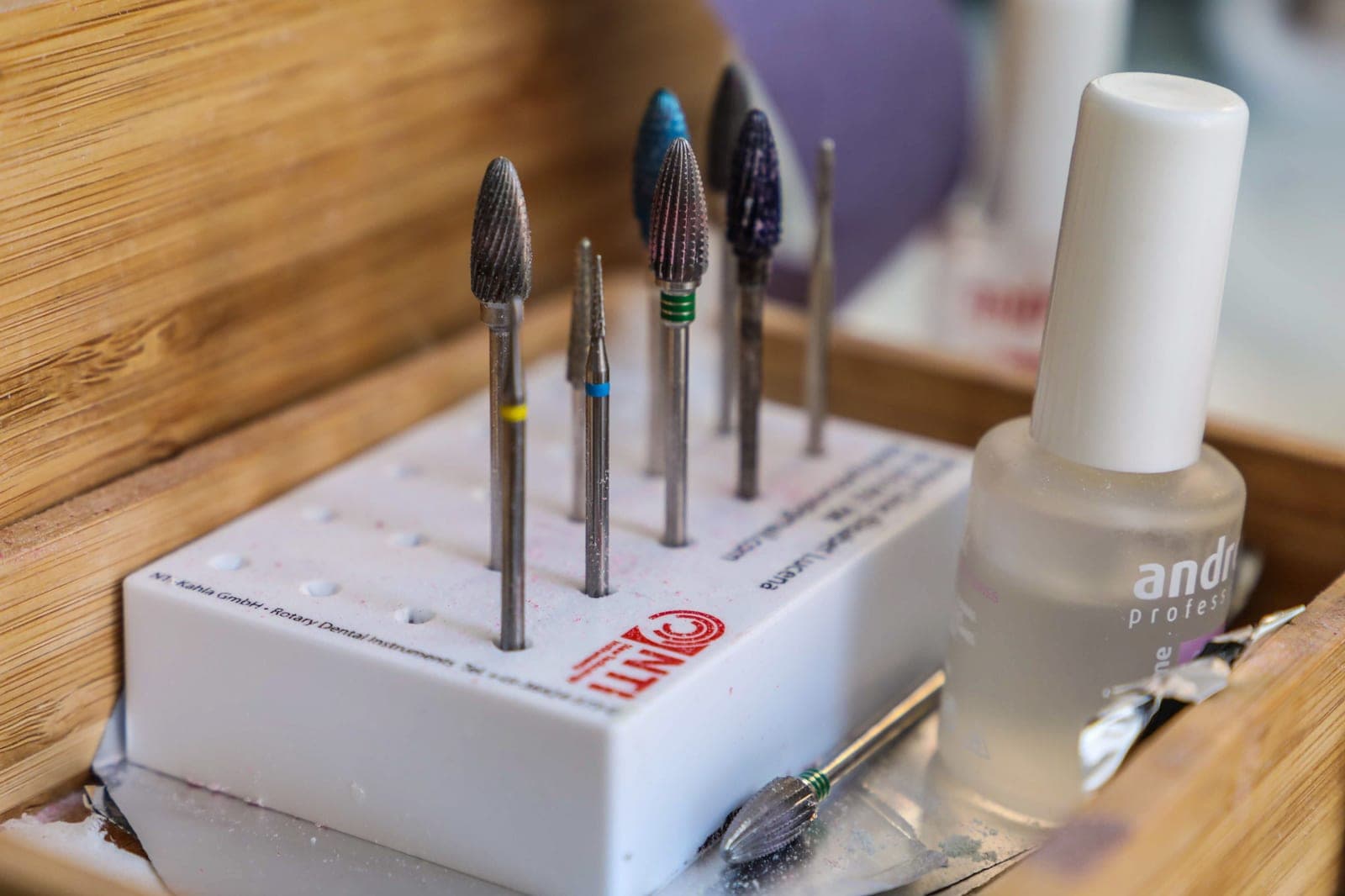
Roundup · Best drill bits
Bits compared on material, grit and shank, with the safety-bit case made plainly.
Comparisons and guides
Where this leads next
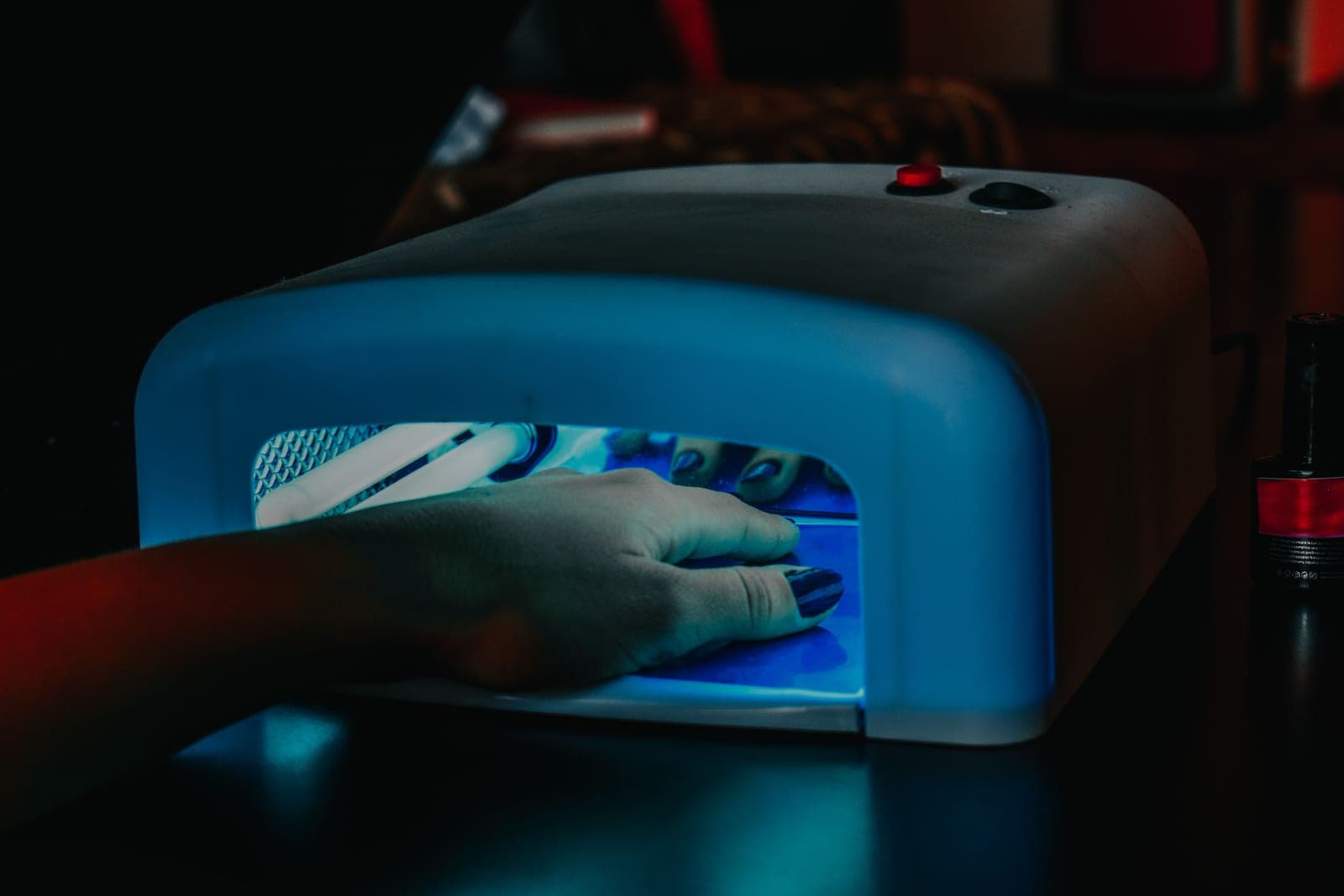
02Gel at home
A gel kit replaces a salon appointment only if you can also remove it safely. This hub covers both halves — what to buy, and what to do on day fourteen.
Open the hub →
05Care and repair
Most of a nail care aisle is optional. A handful of products genuinely change how your nails behave — this hub is about telling those apart.
Open the hub →