Comparison · Gel Nails
Builder gel vs acrylic
Both add length and strength. They differ most in how they come off, which is where nails get damaged.
Written by Janet H. · Owner, Janet Media Group
Published
Tip & Topcoat is reader-supported. Product links go through our affiliate resolver and we may earn a commission from qualifying purchases, at no extra cost to you. Prices belong to the retailer and change constantly, so every button opens the live price on Amazon rather than showing you a number that may already be wrong.
Part of the gel nails hub.
What each system actually is
Acrylic is a two-part system: a liquid monomer mixed with a powder polymer, which begins hardening on contact and air-cures. It sets hard, it is inexpensive, and it has been the salon standard for decades.
Builder gel is a thick, viscous gel that stays workable until you cure it under a lamp. Because it does not start setting until you say so, it is far more forgiving to apply — but it needs a lamp with enough power and a long enough timer, which is why the 99-second setting on a good lamp matters.
What dermatologists say about the damage question
This is the part worth getting from a clinical source rather than a nail forum. The American Academy of Dermatology's guidance on artificial nails is explicit: choose soak-off gel nails instead of acrylic nails, because although gel can still cause brittleness, peeling and cracking, gel is more flexible than acrylic — so your own nail is less likely to crack under it.
The same guidance adds two things that apply to either system. Soak-off beats file-off, because filing causes additional damage. And reserve artificial nails for special occasions, so the natural nail gets periods without product to repair itself. Frequent touch-ups every two to three weeks are specifically flagged as damaging.
At home, specifically
For home use the answer is fairly one-sided. Acrylic sets as you work, so a slow application is a lumpy application, and there is no undo. Builder gel stays where you put it until you cure it, which means a beginner can take five minutes over a nail and still get a clean result.
What builder gel needs in exchange is a lamp that can genuinely cure a thick layer — look for a 99-second timer and dual wavelengths — and, for removal, either a soak-off formula or a drill used carefully. Before buying a drill, read are nail drills safe? — filing enhancement off a natural nail is where most of the real damage in this category happens.
On cost: 2026 US market data puts acrylic nails at roughly $35 to $130 and gel at $30 to $70 in a salon. Either home system undercuts that quickly, but only if you actually keep it up.
Picks
What the gel route needs
If you take the builder gel route, these three are what the job actually requires: a lamp that cures thick product, a controllable drill, and safety bits.
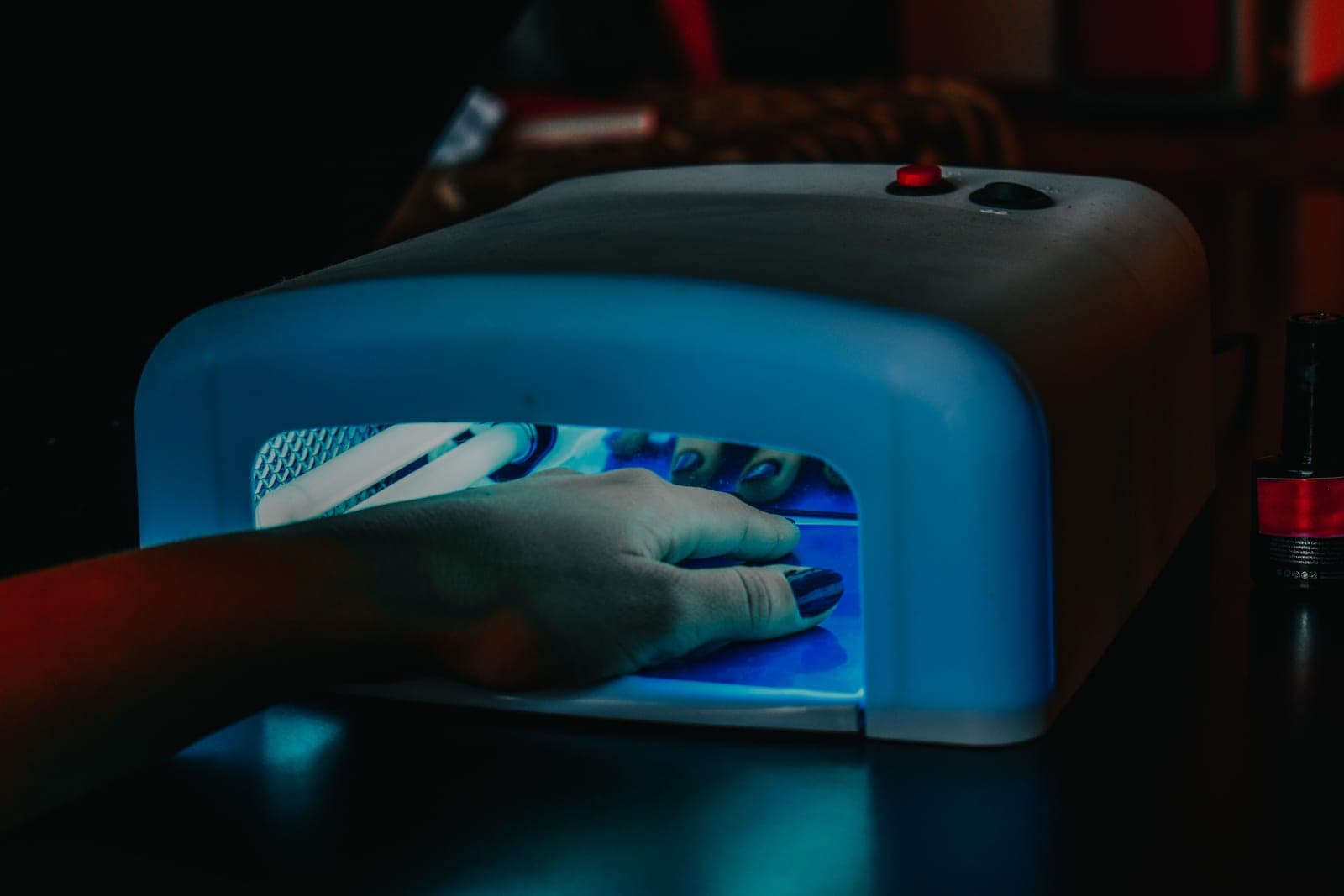
Wide hands, long nails, or curing all five fingers at once
SUNUV SUN5 Plus
The same 48W and the same timers as the SUN5, with half again as many LEDs spreading the cure more evenly.
- Power
- 48W, 36 dual-spectrum LEDs
- Timers
- 10s / 30s / 60s / 99s
Skip ifSkip this if you find gel curing uncomfortably hot. A denser LED array is warmer on the fingertips, not cooler.
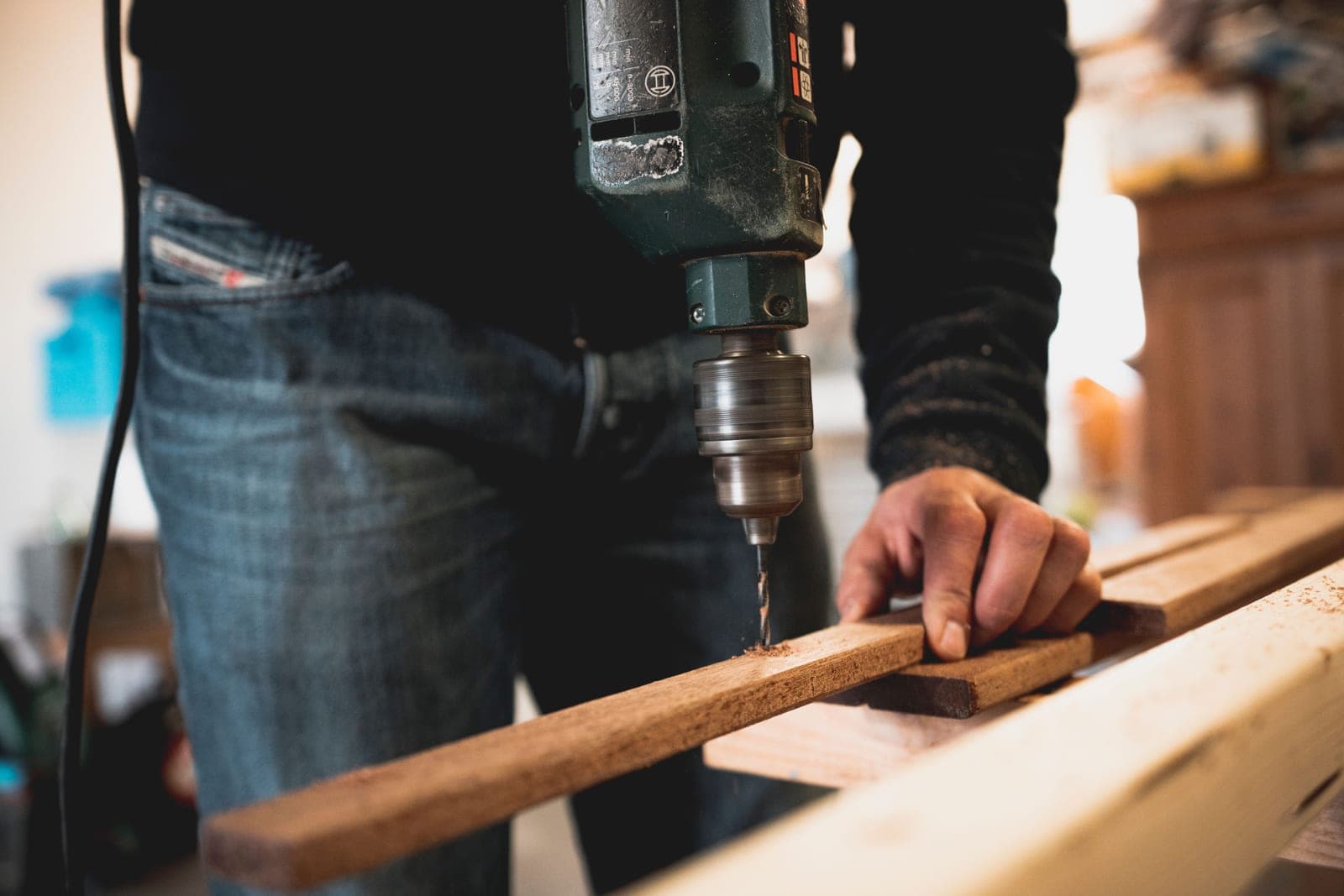
A first drill you will not immediately hurt yourself with
MelodySusie SC320G Rechargeable Nail Drill
Cordless, one-button forward/reverse, and a dial that genuinely starts near zero — the combination beginners need.
- Speed
- 0–30,000 RPM, dial
- Power
- 4000 mAh, 8–12 h per charge
Skip ifSkip this if you want a pedal so your free hand can steady the finger. The corded Scarlet has one.
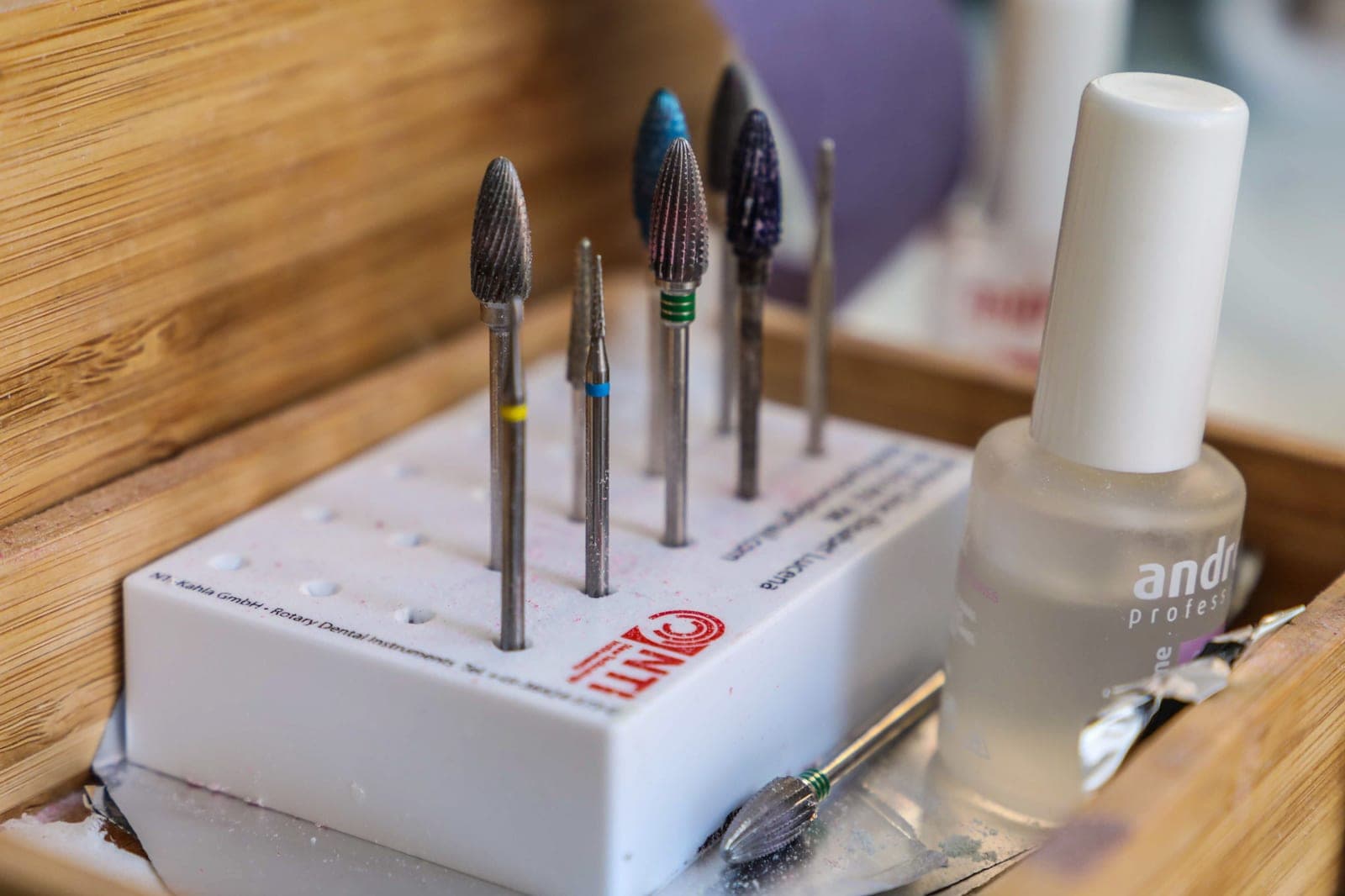
Taking gel and dip off without touching the skin
Makartt Ceramic Safety Nail Drill Bit Set
Ceramic safety bits in the standard 3/32 in shank — the rounded top is what keeps the bit off your cuticle.
- Shank
- 3/32 in (standard)
- Type
- Ceramic, safety (rounded) top
Skip ifSkip this if you are removing thick acrylic every week. Carbide cuts bulk faster and survives more abuse.
FAQ
Frequently asked questions
Is builder gel better than acrylic?
For nail health, generally yes — the AAD recommends soak-off gel over acrylic because gel flexes with the nail, so your own nail is less likely to crack. Acrylic is harder and cheaper.
Is builder gel less damaging than acrylic?
The damage usually comes from removal, not from wearing it. Soak-off gel dissolves; acrylic and hard gel generally have to be filed off, and filing is what thins the nail plate.
Can you do builder gel at home?
Yes, and it is more beginner-friendly than acrylic because it stays workable until cured. You need a lamp with enough power and a long enough timer to cure a thick layer.
Which lasts longer, builder gel or acrylic?
Both are enhancement systems worn until infill, and wear depends more on your nail growth and how you use your hands than on the product.
Keep reading
Related guides
- Builder gel vs Gel-X →
The other enhancement decision.
- Dip powder vs gel →
Same column set, different systems.
- Are nail drills safe? →
Removal is where damage happens.
- The best UV/LED lamps →
Builder gel needs a capable one.
- Repairing nails afterwards →
If enhancements have left damage.
Sources
- —AAD — Reducing artificial nail damage · aad.org
- —Airtasker — US manicure cost data (19 May 2026) · airtasker.com
- —SUNUV — SUN5 Plus · sunuv.com
- —MelodySusie — SC320G · melodysusie.com
- —Makartt — nail drill bits · makartt.com