Guide · Guides
Are press-on nails worth it?
Yes for most people, on cost and on nail health — but there are three readers for whom they are the wrong answer, and nobody says so.
Written by Janet H. · Owner, Janet Media Group
Published
Tip & Topcoat is reader-supported. Product links go through our affiliate resolver and we may earn a commission from qualifying purchases, at no extra cost to you. Prices come from Amazon's API, carry the date they were read, and change constantly — the button always opens the current price on Amazon.
Part of the guides hub.
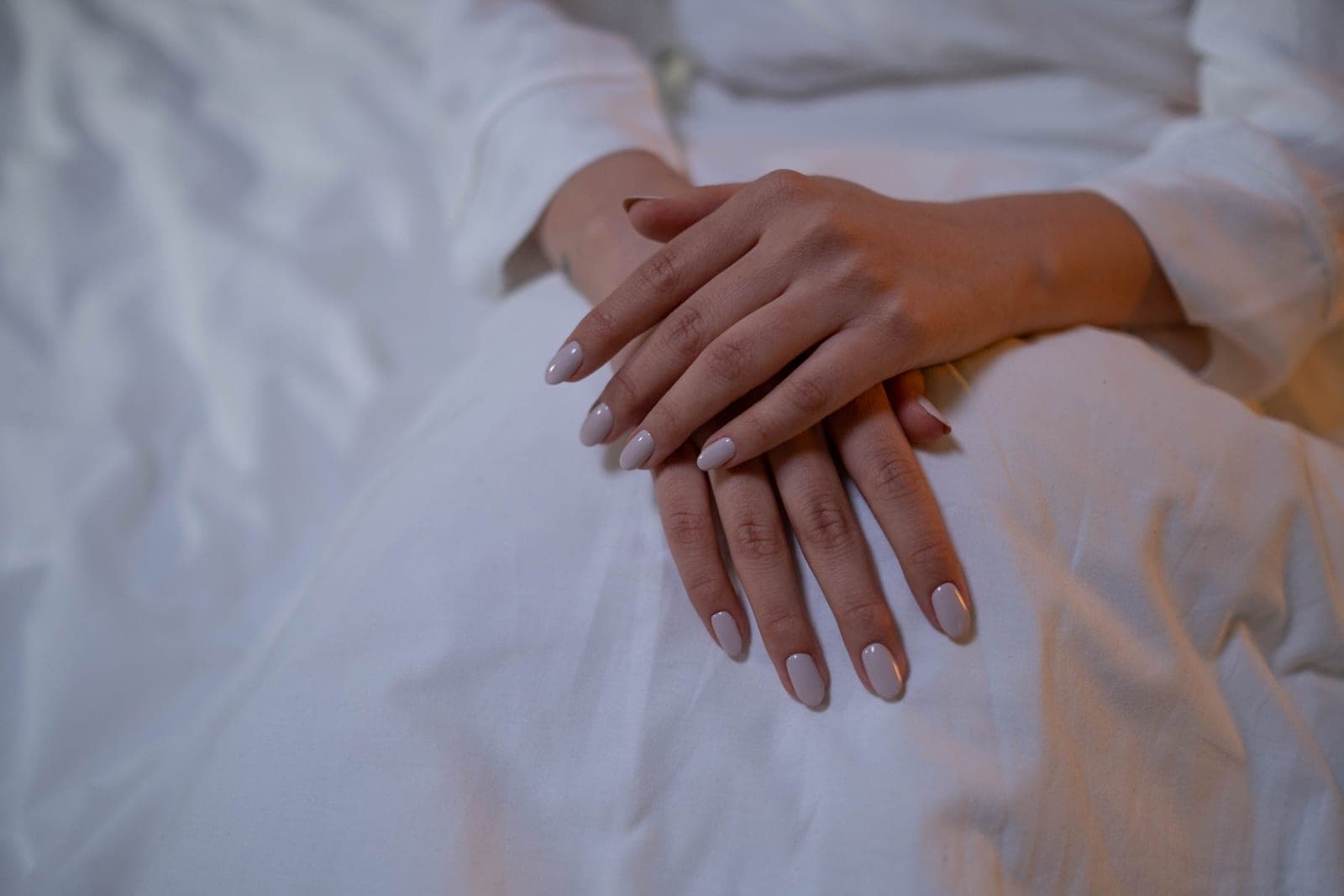
Worth it compared to what?
"Worth it" is meaningless without a comparison, and most answers to this question quietly pick the comparison that flatters their conclusion. There are three real ones.
Against a salon extension set. This is the comparison press-ons win most clearly and the one most people actually mean. A salon acrylic or gel extension set is the most expensive line on the menu, it needs a fill every two to three weeks, and removal involves either a long acetone soak or an e-file on your natural nail. A press-on set costs a fraction of one appointment, needs no fills, and comes off in warm water.
Against a gel manicure. Closer than you would think. Gel on your own nails is cheaper than extensions, lasts two to three weeks reliably, and looks more natural at the cuticle. Press-ons win on removal damage and on the ability to change your mind on a Tuesday; gel wins on invisibility and on not having to think about it. The honest head-to-head is in what a gel manicure costs.
Against doing nothing. The comparison nobody makes, and the one where press-ons lose. A short, filed, oiled bare nail costs almost nothing, is the healthiest option available, and takes five minutes a week. If what you want is nails that look tidy rather than nails that look done, buy a glass file and a bottle of oil and stop reading.
The cost case, done properly
The arithmetic only works if you do it per wear rather than per box, and per wear depends almost entirely on reuse. This is the whole ballgame and it is the number brands are most slippery about.
| Route | Wears per purchase | Removal | Nail damage |
|---|---|---|---|
| Press-ons, glue, no reuse | 1 | Acetone soak or warm water | None if soaked |
| Press-ons, glue, reused | 3-6 per the brands that publish | Warm water | None if soaked |
| Press-ons, tabs | 1 per tab set, nails reusable | Peel the tab | None |
| Salon gel extensions | 1 set plus fills | Acetone soak or e-file | Filing damage |
| Salon acrylic | 1 set plus fills | Filed off or long soak | Substantial |
Two brands on this site publish a reuse count: up to six wears on one, up to five on another. Take those as ceilings, not averages. In practice a short or medium set reused patiently gets three wears comfortably; a long set rarely gets two, because leverage leaves hairline cracks you cannot see.
At three wears per box, press-ons are dramatically cheaper than any salon route and cheaper than a gel kit for the first year. At one wear per box — which is what happens if you lever them off — they are merely competitive, and the convenience is doing most of the work. The full figures, including the annual comparison, are in what press-ons actually cost and salon versus at home.
The cost people forget: your evening
A first set takes about an hour. Not twenty minutes — an hour, because sizing ten nails properly from a ladder of fifteen to twenty-one widths is genuinely slow the first time and you will get two of them wrong.
After that first session it drops sharply, because you now know your sizes and can write them down. Subsequent sets run twenty to thirty minutes, which is faster than driving to a salon appointment, sitting in it and driving home.
Removal is ten to twenty minutes of soaking that you do not have to supervise. Add five minutes of cleaning old adhesive off the underside if you are reusing the set.
The nail health case, which is the strongest one
This is where press-ons win an argument that cost alone would not settle, and it is worth being precise about why.
Nothing about a press-on is cured, bonded or filed onto your nail plate. There is no acid primer, no lamp, no apex to file in, and no product that has to be abraded off at the end. Removal, done correctly, is warm soapy water or a short acetone soak — and the nail that emerges is the nail you started with.
Compare that with the systems the AAD writes about. The academy's guidance on reducing artificial nail damage centers on exactly the steps press-ons skip: avoid having the natural nail surface filed, do not have cuticles cut, and never pull an enhancement off. Two of those three are structural features of acrylic and hard gel services. With press-ons they are all avoidable by choice.
The two real risks, both self-inflicted: filing your own nail to help a set grip, and pulling a set off impatiently. Both are covered in are press-ons bad for your nails? — which goes through the published evidence rather than the forum consensus.
The three readers press-ons are wrong for
A guide that recommends something to everybody is an advertisement. These are the cases where the honest answer is no.
1. Your hands take real punishment. If you garden, do trades work, handle laundry commercially, or spend hours a day with your hands in water, a press-on set will not reach a week. The failure is mechanical and no glue fixes it. A gel overlay on your own short nails is the better route — see the builder gel roundup.
2. You want one manicure to last a month untouched. Press-ons are a two-weeks-at-best product, and the honest brands say so. If the appeal of a manicure is not thinking about your nails for four weeks, you want gel with a fill, and you should accept the removal cost that comes with it.
3. You will not do the sizing. This is the biggest one and the least discussed. Press-ons that do not fit do not stay on, full stop. If measuring ten nails against a size ladder sounds like too much, you will conclude the product does not work — and you will be right about your own experience of it.
The verdict, in one paragraph
Press-ons are worth it if you want a done-looking manicure, you change your mind about length and shape more often than every three weeks, and you are willing to spend one careful hour learning your sizes. They are worth it on cost by a wide margin against any salon extension route, and they are worth it on nail health against every bonded system, because nothing is filed or cured onto your plate.
They are not worth it if your hands work hard, if you want to forget about your nails for a month, or if you want the result without the sizing. Those are three legitimate positions, and for all three the better product is on a different page of this site.
Picks
If the answer is yes, start here
One set built for maximum reuse, one for fit, one for speed, and the adhesive that lets you take a set off the same evening.
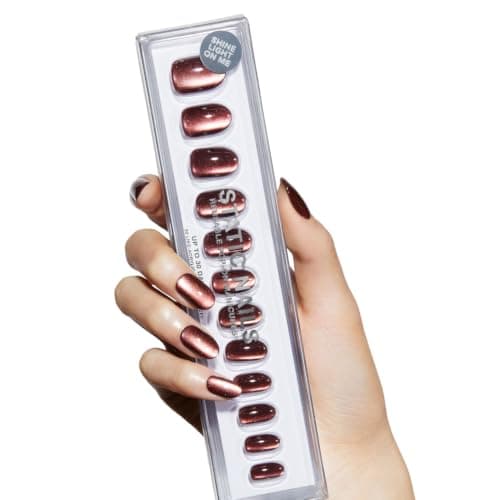
Working out the cheapest possible cost per wear
Static Nails Reusable Pop-On Manicures
The longest wear claim and the only set we found that publishes a reuse count, which is what makes the math work.
- Nails per set
- 30 in 15 sizes per hand
- Brand wear claim
- Up to 30 days
Skip ifSkip this if you want the thinnest, most invisible edge at the cuticle — a flexible soft-gel set reads more natural there.
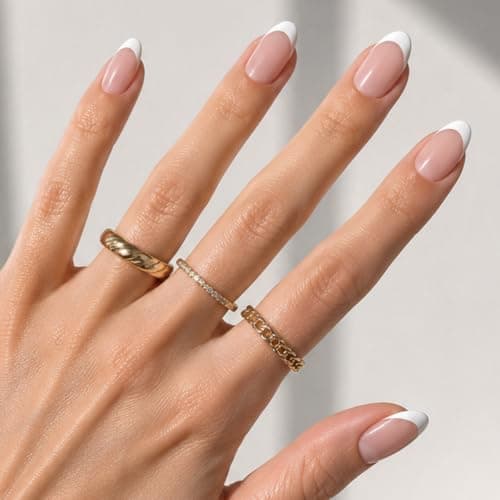
Anyone who has had sets lift because nothing fit properly
Olive & June Press-On Manis
The widest published size range of any set we found, which is the single thing that decides whether press-ons last.
- Nails per set
- 42 in 21 sizes
- Brand wear claim
- Up to 14 days
Skip ifSkip this if you want something you can take off the same evening. Glue sets are not built for that; tabs are.
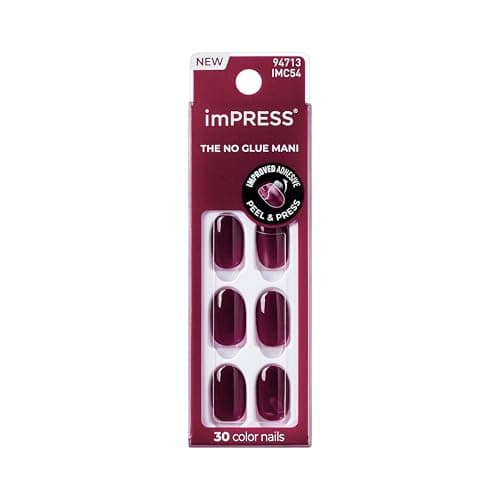
Getting a manicure on in ten minutes with nothing to dry
KISS imPRESS Press-On Manicure
No glue at all: the adhesive is pre-applied, you peel a tab and press. The fastest set here by a distance.
- Nails per set
- 30
- Brand wear claim
- Up to 10 days
Skip ifSkip this if you need a full two weeks out of one set. The adhesive is built for convenience, not maximum duration.
A set you want off again in a few days
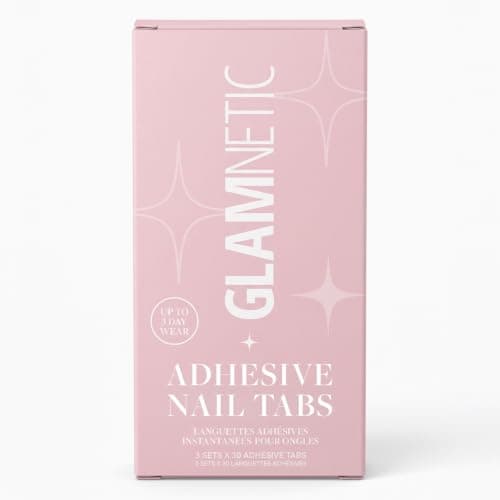
Glamnetic Adhesive Nail Tabs
Tabs with a published wear figure, which is the honest way to sell a short-wear adhesive.
- Brand wear claim
- Up to 5 days
- Type
- Pre-cut adhesive tabs
Skip ifSkip this if your nails are strongly curved. A flat tab cannot bridge a curve, and the set will lift at the edges.
FAQ
Frequently asked questions
Are press-on nails worth the money?
Against a salon extension set, comfortably — one box costs a fraction of one appointment and needs no fills. The figure that decides it is reuse: at three wears per set they are dramatically cheaper, at one wear they are merely competitive.
Are press-on nails better than acrylics?
For nail health, clearly. Nothing is filed or cured onto the plate and removal is water or a short soak rather than an e-file. Acrylics win on durability and on surviving heavy hand use, which is the one case where press-ons genuinely lose.
How long do press-on nails actually last?
Published claims run from up to five days on adhesive tabs to up to thirty days on the longest-wearing reusable set, with most glue sets claiming ten to fourteen days. Fit and hand use move the real figure more than brand does.
Do press-on nails ruin your natural nails?
Not in themselves. The two things that cause damage are filing your natural nail to help a set grip and pulling a set off rather than soaking it. Avoid both and the nail underneath is unchanged.
Is it cheaper to do press-ons or gel at home?
Press-ons for the first few months, because there is no lamp to buy. A gel kit is cheaper per manicure over a year once the lamp is paid for, but it brings acetone removal and filing back into your routine.
Who should not use press-on nails?
Three groups: people whose hands take heavy physical punishment, people who want one manicure to last a month untouched, and people who will not measure their nails against the size ladder. For all three, a gel overlay is the better route.
Keep reading
Related guides
- What press-ons actually cost →
The per-wear arithmetic.
- Salon vs at home →
The annual comparison.
- Are press-ons bad for nails? →
The published evidence.
- The best press-on nails →
If the answer is yes.
- Reusable press-ons →
Where the cost case is won.
Sources
- —AAD — Reducing artificial nail damage · aad.org
- —AAD — 11 tips for healthy nails · aad.org
- —Airtasker — US manicure cost data · airtasker.com
- —Clutch Nails — how long you can wear press-ons · clutchnails.com
- —Static Nails — Reusable Pop-On Manicures · staticnails.com
- —Olive & June — Press-On System · oliveandjune.com
- —KISS — imPRESS no-glue nails · kissusa.com
- —Glamnetic — Adhesive Nail Tabs · glamnetic.com