Guide · Guides
How to fix thick, gloopy nail polish
Thinner works. Remover destroys the bottle. Knowing the difference saves most of a polish collection.
Written by Janet H. · Owner, Janet Media Group
Published
Tip & Topcoat is reader-supported. Product links go through our affiliate resolver and we may earn a commission from qualifying purchases, at no extra cost to you. Prices belong to the retailer and change constantly, so every button opens the live price on Amazon rather than showing you a number that may already be wrong.
Part of the guides hub.
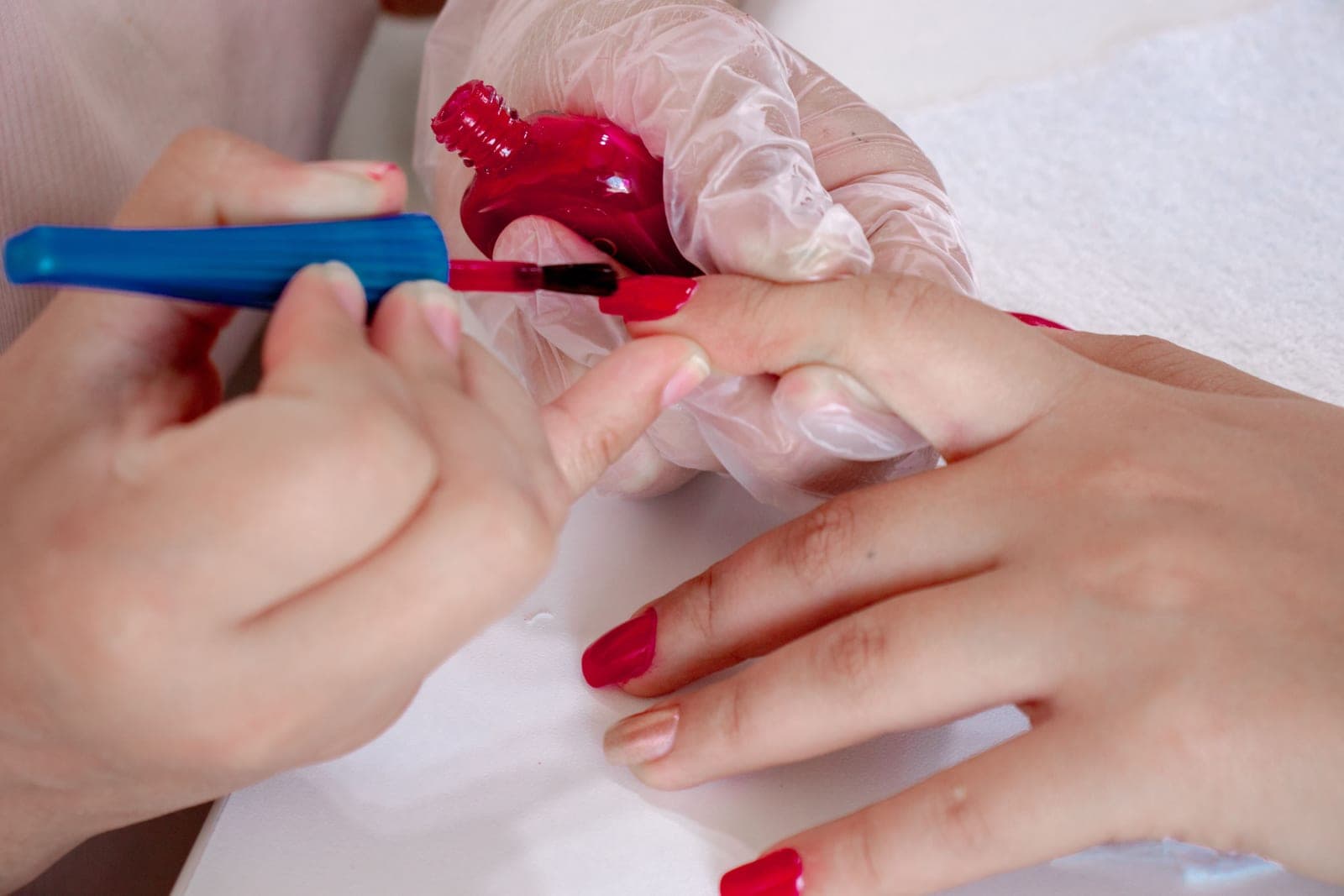
Why polish thickens
Nail polish is pigment and film-forming resin suspended in solvent. It dries on your nail by the solvent evaporating, leaving the rest behind as a hard film — which means anything that lets solvent escape in the bottle is doing the same thing in slow motion.
Three things cause it. The cap not seating properly, usually because dried polish on the neck stops it closing fully. Heat, which accelerates evaporation. Time, which happens regardless.
The practical consequence: wipe the neck of the bottle with a remover-dampened pad before closing it. That single habit prevents most thickening, because the cap can then seal.
How to thin it properly
- Add two or three drops of nail polish thinner. Not more. You can always add another drop; you cannot take one out.
- Roll the bottle between your palms for thirty seconds. Do not shake it — shaking whips air into the polish and you will paint bubbles onto your nails.
- Leave it for a few minutes, then check the consistency by lifting the brush out. It should run off in a smooth stream rather than a blob.
- Repeat if needed, a drop or two at a time.
Nail polish thinner is formulated with the same solvent blend the polish already contains, which is why it restores consistency without changing anything else.
Why remover destroys the bottle
This is the most common and most destructive mistake in nail care, and it is understandable — both liquids are clear, both are solvents, both live in the same drawer.
Thinner contains the solvents that evaporated, so adding it puts back what was lost.
Remover contains acetone or a similar aggressive solvent, whose job is to break down the cured film. Adding it to a bottle starts breaking down the film-forming resins in the bottle. The polish will thin at first, which is why people think it worked, and then it will never dry properly again, will separate, and will go stringy.
Keeping polish usable for years
- Wipe the neck before closing. Dried polish on the threads is why caps do not seal, and an unsealed cap is why polish thickens.
- Store it cool and dark. A bathroom cabinet is warm and humid; a bedroom drawer is neither. Do not refrigerate — the temperature swing when you take it out causes its own problems.
- Store it upright. On its side, polish creeps into the cap threads and seals them badly.
- Roll, never shake. Every shake adds air, and air both oxidizes the polish and puts bubbles in your manicure.
When a bottle is genuinely finished
Thinner rescues a thick polish. It does not rescue these:
- It has separated and will not recombine after rolling — the emulsion has broken.
- It is stringy or rubbery — the resins have polymerized in the bottle.
- It smells sharply different from a new bottle.
- It has had remover added. Covered above.
- It dries with a gritty or bumpy finish even after thinning.
A polish that will not dry properly is not a saving — it is a manicure that dents every time, ruined by a bottle you were reluctant to throw away.
Picks
Related products
Neither of these is a thinner — they are what you need around the job. Buy a dedicated thinner for the thinning itself.
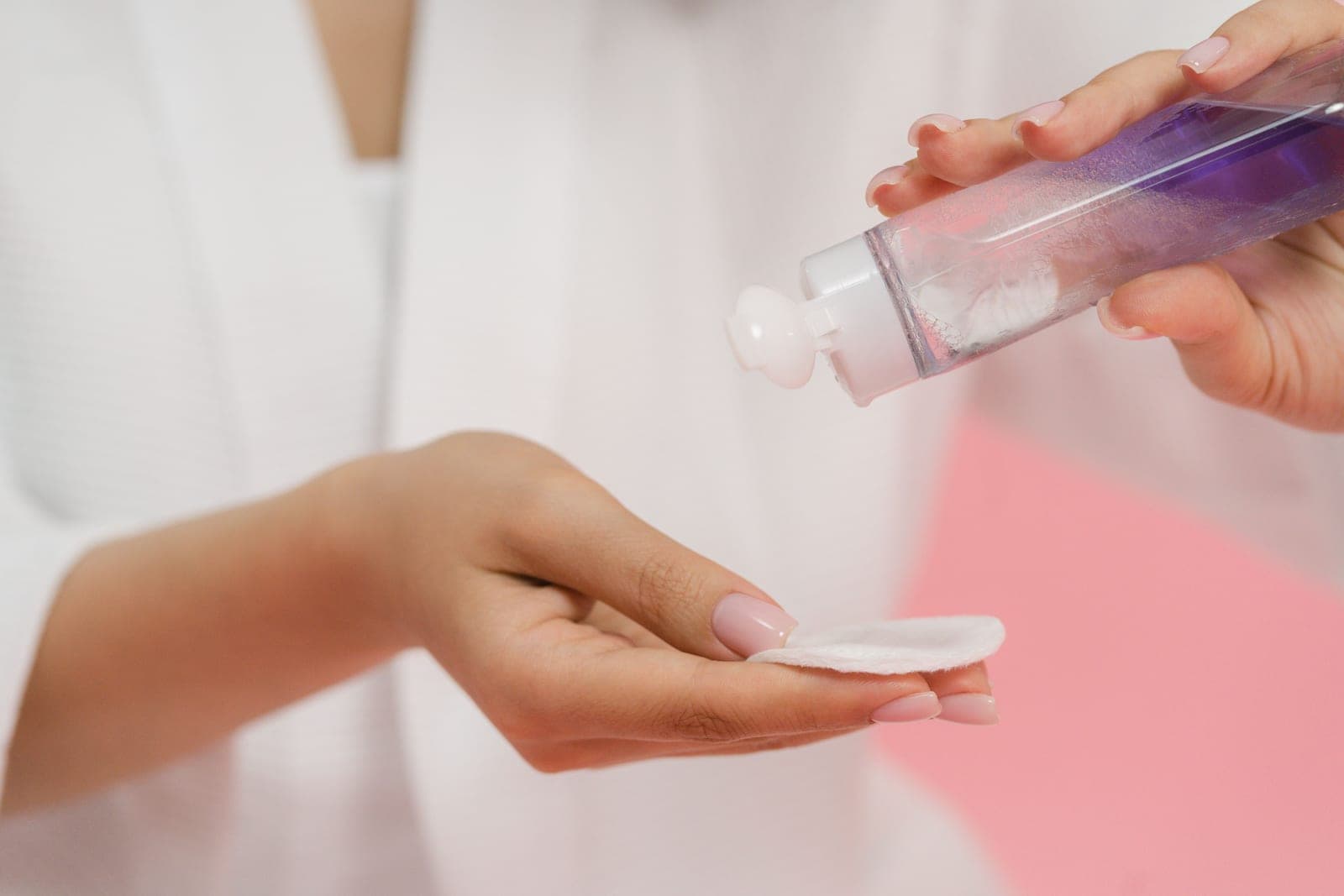
Removing polish and prepping for the next coat in one step
Zoya Remove+
Remover, nail prep and conditioner in one bottle — and, contrary to what half the internet says, it does contain acetone.
- Size
- 8 fl oz flipper bottle
- Function
- Remover + prep + conditioner
Skip ifSkip this if you are specifically avoiding acetone — the formula contains it, whatever the listings imply.
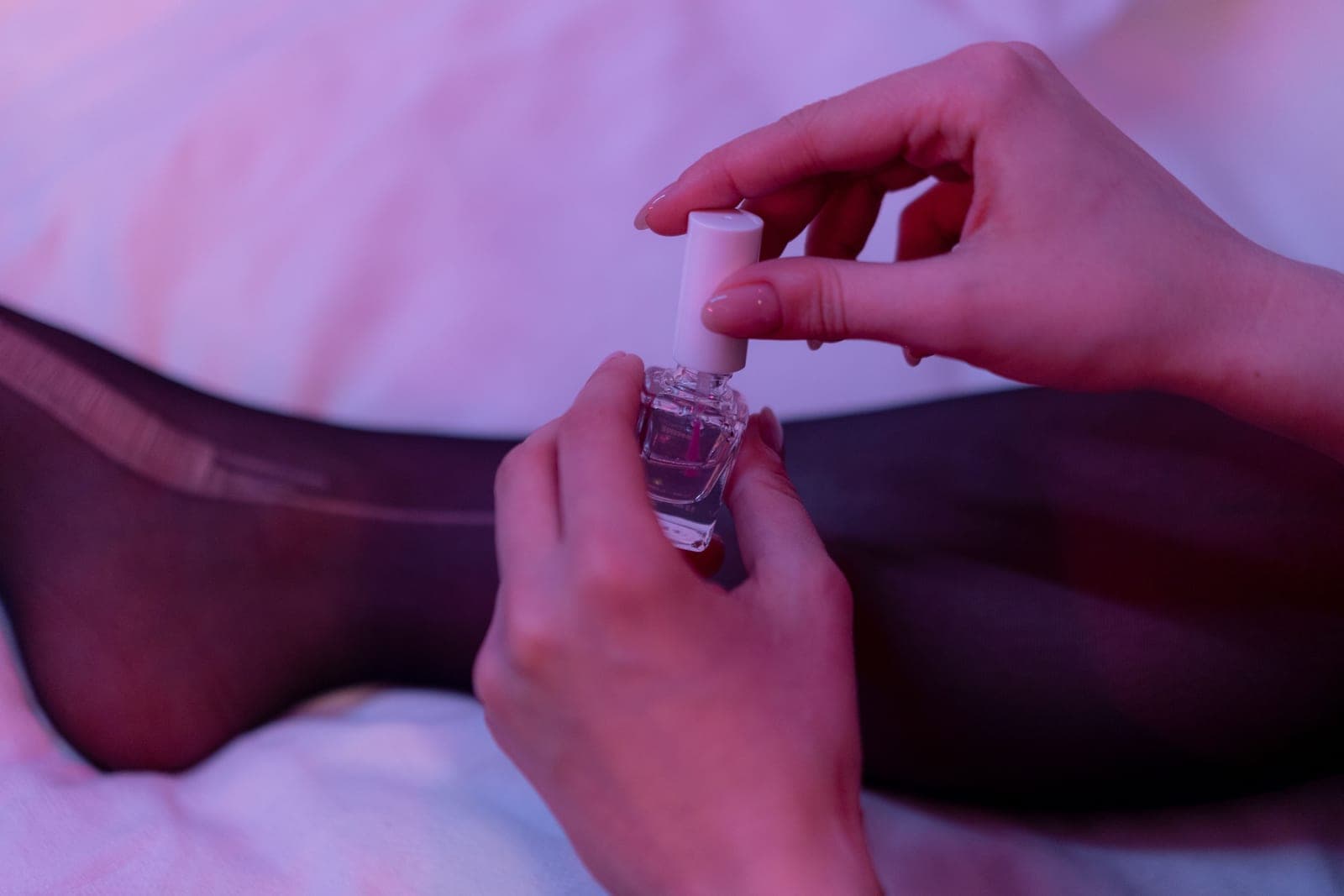
Making an ordinary polish manicure survive the week
Seche Seche Vite Dry Fast Top Coat
The one top coat that bonds through the color to the base coat, turning three separate layers into a single shell.
- Size
- 0.5 fl oz
- Method
- Applied over WET polish
Skip ifSkip this if you like to paint one nail at a time over an evening. This has to go on while the color is still wet.
FAQ
Frequently asked questions
How do you fix thick nail polish?
Add two or three drops of nail polish thinner, roll the bottle between your palms for thirty seconds, and check the consistency. Repeat a drop at a time if needed.
Can you use nail polish remover to thin polish?
No, and it permanently ruins the bottle. Remover contains acetone, which breaks down the film-forming resins — the polish thins at first, then never dries properly again.
Why does nail polish get thick?
Solvent evaporates from the bottle, leaving more pigment and resin behind. A cap that will not seal because of dried polish on the neck is the usual cause.
Should you shake nail polish?
No — roll it between your palms. Shaking whips air into the polish and you will paint bubbles onto your nails.
How should you store nail polish?
Upright, somewhere cool and dark, with the neck wiped clean before capping. A bedroom drawer is better than a bathroom cabinet; do not refrigerate.
Keep reading
Related guides
- The best nail polish →
When a bottle really is finished.
- The best removers →
What remover is actually for.
- Making polish last longer →
Thin polish applies better.
- The best top coats →
These thicken too.
- An at-home manicure →
The full routine.
Sources
- —Zoya — Remove+ nail polish remover · zoya.artofbeauty.com
- —Seche — Vite Dry Fast Top Coat · seche.com