Comparison · Nail Care
Nail oil vs cuticle oil
Two names, usually one product. The distinction that does matter is not on the front of the bottle.
Written by Janet H. · Owner, Janet Media Group
Published
Tip & Topcoat is reader-supported. Product links go through our affiliate resolver and we may earn a commission from qualifying purchases, at no extra cost to you. Prices come from Amazon's API, carry the date they were read, and change constantly — the button always opens the current price on Amazon.
Part of the nail care hub.
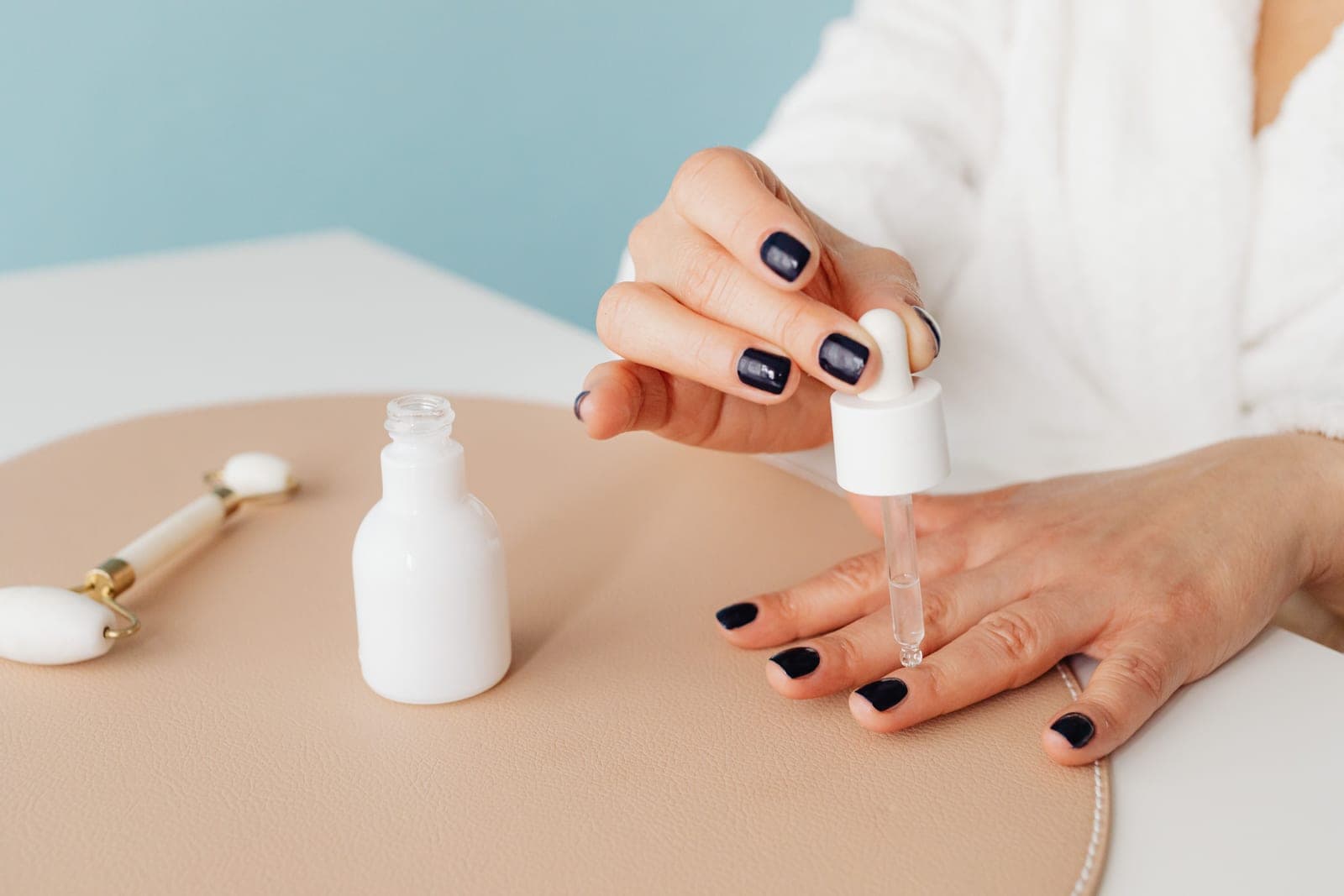
Why there are two names for one product
Walk a nail aisle and you will find "cuticle oil", "nail oil", "nail and cuticle oil" and "cuticle serum" sitting next to each other at similar prices. In the overwhelming majority of cases these are the same category of product with different words on the label, and the clue is that so many of them say both: CND's bottle is SolarOil Nail & Cuticle Care, and Sally Hansen's is Vitamin E Nail & Cuticle Oil.
That is not a marketing trick so much as an accurate description of how the product is used. You apply it at the base of the nail and massage it in; it goes onto the cuticle, the nail fold, the surrounding skin and the plate itself, all in one motion. Splitting that into two products would be inventing a problem.
Where the names do mean something different, it is a hint about emphasis rather than a different category:
- "Cuticle" in the name tends to signal a skin-conditioning emphasis — richer, sometimes with shea or lanolin, aimed at dry and cracked nail folds.
- "Nail" in the name tends to signal a penetrating emphasis — jojoba first, aimed at the flexibility of the plate.
- "Serum" usually means a lighter, water-based carrier rather than a pure oil, which trades depth of conditioning for a non-greasy finish.
The product that genuinely is different
There is one bottle in this aisle that is not interchangeable with the others, and it is worth naming because people buy it by mistake: cuticle remover.
Cuticle remover is an alkaline solution that softens and breaks down dead tissue so it can be pushed back or wiped away. It is a chemical exfoliant for the nail fold, it is used for a minute or two and then removed, and it is not a conditioner. Leaving it on does not moisturize anything — it keeps working on skin that is no longer dead.
Oil is the opposite: it is left on, it conditions, and it does nothing to dead tissue except make it more pliable. The two get used in sequence in a full manicure — remover, push back, then oil — and the sequence is in the at-home manicure routine.
What an oil actually does to a nail
The mechanism is worth understanding, because it explains both why oil works and why it works more slowly than people expect.
A nail plate is layers of keratin held together, and its flexibility depends on its water content. A dehydrated plate is brittle, and a brittle plate splits at the free edge and peels in layers. Oil does not add water — it reduces how fast water leaves, and some oils also move into the plate and improve how the layers slide against each other.
Molecular size is what decides whether an oil penetrates at all. Jojoba is the one consistently cited for this: it is small enough to pass into the plate rather than resting on it, which is why it leads the ingredient list on the salon-standard bottle. Mineral oil and silicones such as cyclopentasiloxane are larger and stay on the surface — they are genuinely good occlusives for the skin around the nail, and they do not do the plate-penetration job.
The slow part is the consequence. A plate that has already grown out brittle does not become flexible; only new growth does. Fingernails grow at roughly 3.5 mm a month, so a full plate takes about six months to replace itself. Oil applied daily shows at the cuticle in two weeks and at the free edge in several months. Anyone promising faster is selling something.
The three bottles, compared
Each of these is sold as a nail and cuticle oil. What separates them is the carrier, the applicator and the price — and the applicator decides whether it gets used, which turns out to matter more than anything on the ingredient list.
| Product | Lead oils | Carrier | Applicator | Score |
|---|---|---|---|---|
| CND SolarOil | Jojoba, vitamin E, rice bran, sweet almond | Pure oil | Brush in bottle | 8.7 |
| Olive & June Cuticle Serum | Avocado, apricot kernel, argan, jojoba | Water-based serum | Click pen, foam tip | 8.0 |
| Sally Hansen Vitamin E Oil | Vitamin E, wheat germ, apricot kernel | Oil with mineral oil and silicone | Brush | 7.5 |
How to use it so it does something
The most common reason an oil disappoints is frequency, and the second most common is where it goes. Both are fixable in a sentence each.
- Apply after every hand wash and before bed. CND's own direction, and it is the frequency that changes anything. Weekly application does very little.
- Oil the underside too. The free edge has two faces, and the underside is the one that dries out and starts a split. One stroke under the tip takes two seconds.
- Massage it in rather than painting it on. Thirty seconds of rubbing at the nail fold does more than a thicker application left to sit.
- Keep oiling while wearing gel or press-ons. A jojoba-led oil is safe over enhancements, and the skin around a set needs it more than usual — the cuticle dries out under a three-week manicure.
- Oil immediately after any acetone removal. Acetone strips the plate and the surrounding skin; the AAD's own removal guidance pairs the soak with moisturizing afterwards.
One thing oil will not do: make nails grow faster. Growth rate comes from the matrix under the cuticle and nothing topical changes it — the honest version is in how to grow your nails faster. What oil does is stop nails breaking before they get long, which looks like faster growth and is not.
Oil, strengthener, or both
This is the question people are usually asking underneath the oil-versus-oil one, and the answer is both, for different problems.
Oil addresses flexibility. It is the right answer for a plate that is dry, brittle, splitting at the tip or peeling in layers. It works slowly and it works on new growth.
A strengthener addresses the plate you already have. It is a coating that either binds the surface layers or adds a hard film, and it works immediately on the nail currently on your finger. It does not improve the nail growing underneath.
Used together they do not conflict: oil underneath and at night, strengthener on a clean dry plate as a treatment or base coat. The one caution is that oil directly before a strengthener or a polish will stop it adhering, so the order within a manicure is wipe, treat, polish, then oil afterwards. The ranked strengthener picks are in best nail strengtheners, and the difference between a hardener and a strengthener — which are not the same product — is in hardener vs strengthener.
The full ranked oil roundup, with the absorption scores behind the table above, is in best cuticle oils.
Picks
The three worth buying, by format
A jojoba-led salon bottle, a click pen for a bag or a desk, and the drugstore bottle to establish the habit with. All three are sold as nail and cuticle oils, which is the point of this page.
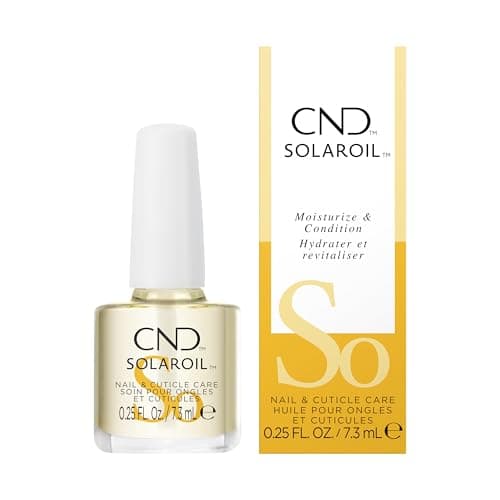
The one product to buy if you buy only one
CND SolarOil Nail & Cuticle Care
Jojoba-led, which is the reason it sinks in rather than sitting on top — and the reason it is the salon default.
- Oils
- Jojoba, vitamin E, rice bran, sweet almond
- Use
- Daily, top and underside of the nail
Skip ifSkip this if you will not use it daily. A cuticle oil in a drawer is money spent on nothing.
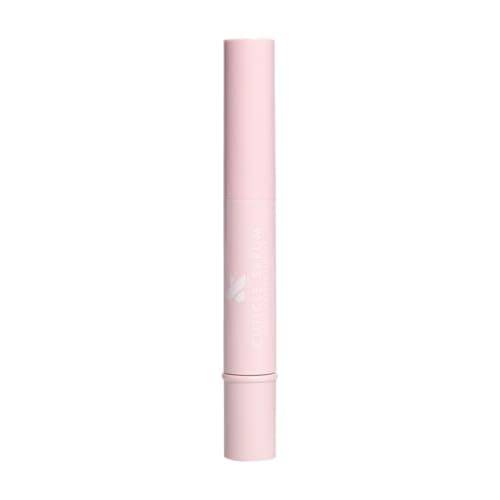
Keeping one in a bag and actually reaching for it
Olive & June Cuticle Serum
A click pen with a foam tip instead of a brush and bottle — the format that gets it used at a desk.
- Format
- Click pen, foam tip
- Oils
- Avocado, apricot kernel, argan, jojoba
Skip ifSkip this if your cuticles are genuinely damaged. Reach for a heavier pure oil for repair work.
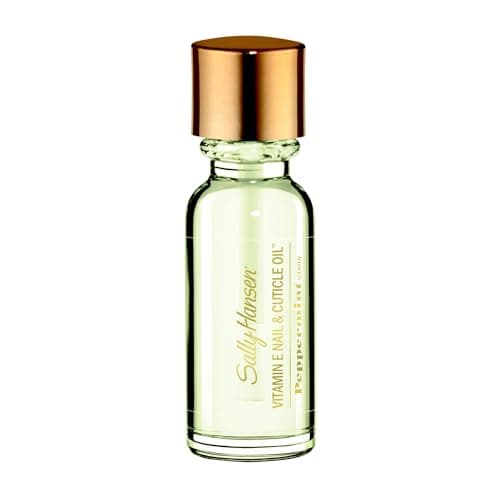
Trying a nightly routine without spending much
Sally Hansen Vitamin E Nail & Cuticle Oil
The drugstore option, and the cheapest way to establish a daily habit before committing to a salon bottle.
- Key oils
- Vitamin E, wheat germ, apricot kernel
- Also contains
- Aloe, panthenol
Skip ifSkip this if you want maximum penetration into the nail plate. A jojoba-first formula does that better.
FAQ
Frequently asked questions
Is nail oil the same as cuticle oil?
In practice yes — most bottles are labeled "nail and cuticle oil" because they are applied to both in one motion. Where the names differ in emphasis, "cuticle" tends to mean a richer skin-conditioning formula and "nail" tends to mean a jojoba-led penetrating one.
What is the difference between cuticle oil and cuticle remover?
Cuticle oil is left on and conditions. Cuticle remover is an alkaline solution that softens dead tissue, is used for a minute or two and then wiped off — it is not a moisturizer and should not be left on the skin.
Which oil is best for nails?
A jojoba-led one, because jojoba is small enough to penetrate the nail plate rather than sit on the surface. CND SolarOil leads with jojoba, which is why it is the salon default. Mineral oil and silicones condition the surrounding skin but do not get into the plate.
How often should you use cuticle oil?
Daily, and ideally after every hand wash plus before bed. Applied once a week it does very little. The visible change comes at the cuticle within a couple of weeks and at the free edge over several months, because only new growth improves.
Can you use cuticle oil over gel polish or press-ons?
Yes, and you should. CND states SolarOil is safe over natural nails, gel polish, extensions and acrylics, and the skin around a three-week set dries out more than usual. Keep it off the plate immediately before applying anything, though — oil stops polish adhering.
Keep reading
Related guides
- Best cuticle oils →
The ranked picks.
- Hardener vs strengthener →
The other confused pair.
- Nail care basics →
Where oil fits in the routine.
- Why nails peel and split →
What oil is for.
Sources
- —AAD — Healthy nail tips · aad.org
- —AAD — Removing gel polish · aad.org
- —BioNumbers (Harvard) — Fingernail growth rate · bionumbers.hms.harvard.edu
- —CND — SolarOil · lovecnd.com
- —Olive & June — Cuticle Serum · oliveandjune.com
- —Sally Hansen — Vitamin E Nail & Cuticle Oil · sallyhansen.com