Roundup · Nail Polish
The best nail polish colors for dark skin
Deep skin carries saturated color better than any other depth. The shades that go wrong are the washed-out ones and the nudes picked by name instead of by depth.
Written by Janet H. · Owner, Janet Media Group
Published
Tip & Topcoat is reader-supported. Product links go through our affiliate resolver and we may earn a commission from qualifying purchases, at no extra cost to you. Prices come from Amazon's API, carry the date they were read, and change constantly — the button always opens the current price on Amazon.
Part of the nail polish hub.
The picks, compared
Row 1 is our pick · click any row for the full review
| # | Pick | Best for | Cost basis | Price |
|---|---|---|---|---|
| 01 | 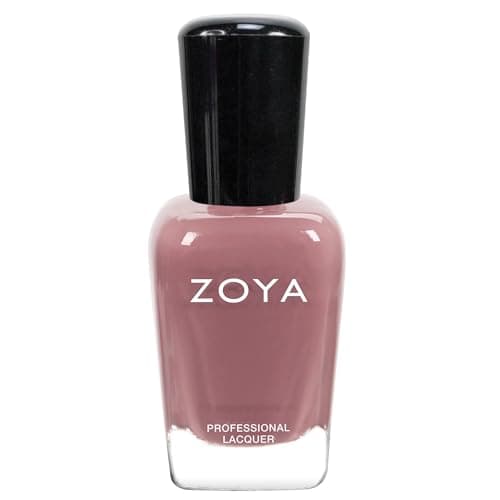 Zoya Zoya Nail Polish, 0.5 fl oz The professional-salon option in this group: a long-wear formula, the deepest shade library, and a free-from label the brand has kept extending. Big 12FREE, TPO free (brand page) | Someone who wants a clean formula without giving up salon-grade color | Per manicure, many manicures per bottle | |
| 02 | 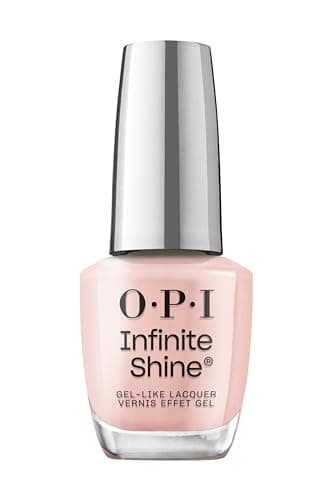 OPI Infinite Shine A three-step, pre-cured gel system that locks on like gel and comes off with ordinary remover. 3 (base, lacquer, gloss top) | Salon-grade shine you can remove in five minutes | Per manicure, three bottles cover many manicures | |
| 03 | 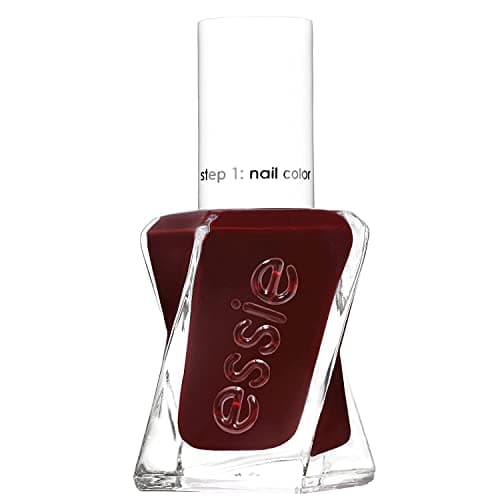 essie Gel Couture (Gel by essie) Two steps, no lamp, and the longest published wear claim of any lamp-free system here — with an honest asterisk attached. 2 (color + Shiny Top Coat) | Gel-length wear without owning a lamp | Per manicure, two bottles cover many manicures | |
| 04 | 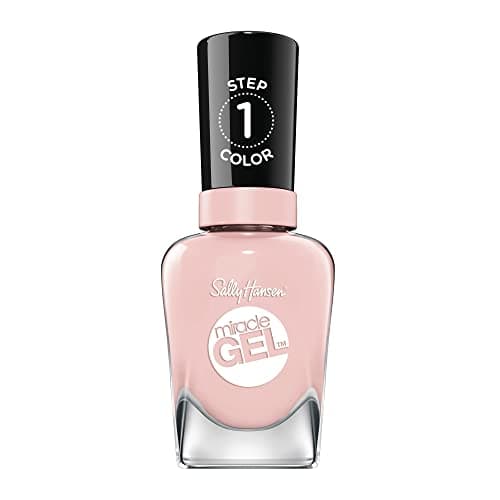 Sally Hansen Miracle Gel The drugstore route to a gel-look manicure with no lamp — three steps, widely stocked, and cheap to replace. 3 (prep, 2 color coats, top coat) | Longer wear on a drugstore budget | Per manicure, lowest cost per bottle here | |
| 05 | 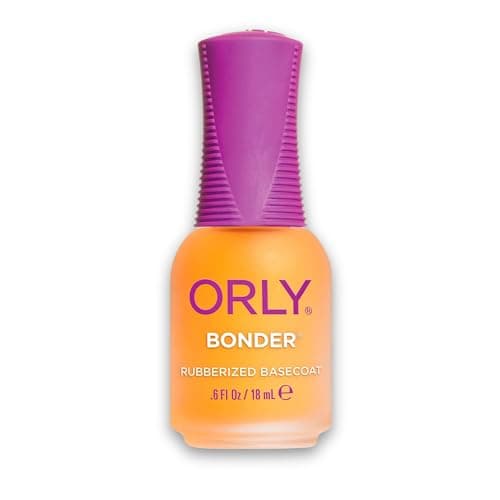 ORLY Bonder Rubberized Basecoat A rubberized resin base that grips color the way double-sided tape grips paper — the brand's own analogy, and an accurate one. Rubberized resin base coat | Polish that peels off in sheets by day three | Per manicure, many manicures per bottle |
Ranked on a published rubric from each brand's own specs and the pattern of what buyers consistently report. We have not tested these products and do not claim to have.
Depth sets the rules, undertone picks the shade
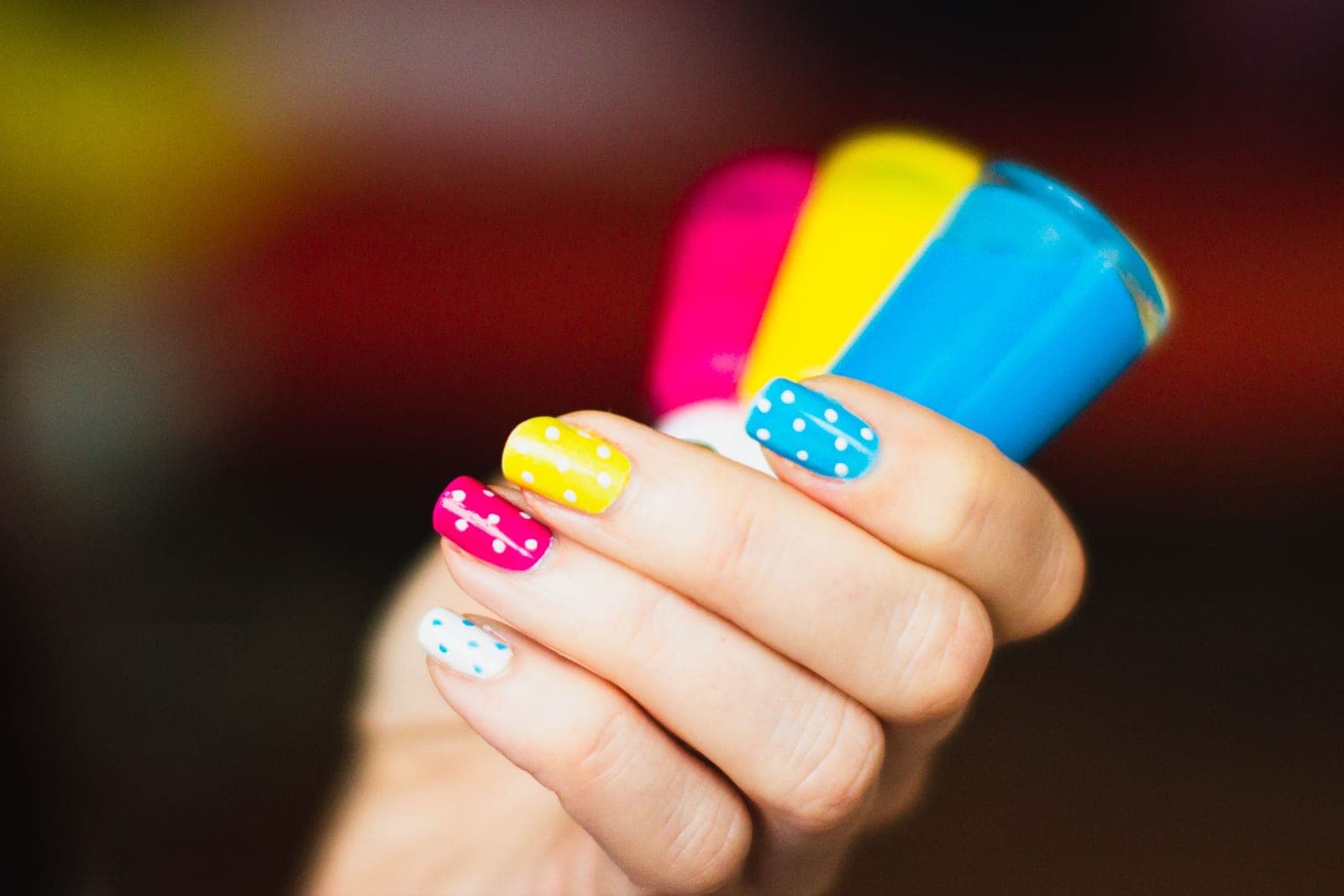
On pale skin, shade advice is almost entirely about undertone, because the contrast between nail and skin is low whatever you put on. Deep skin changes that: contrast is high, so the depth of your skin is doing real work in the picture, and it is working in your favor.
A saturated shade on deep skin has something to push against. A bright orange that looks like a traffic cone on pale skin reads as a deliberate, expensive-looking choice against a deep brown hand — which is why the families that get hedged on most sites are the ones to start with here.
Undertone still decides which version of each family you want. The quickest test is the inside of your wrist in daylight: blue or purple veins suggest a cool undertone, green or olive suggests warm, and if you genuinely cannot tell you are probably neutral. On deeper skin the veins can be harder to read, so a second check helps — hold gold jewelry and silver jewelry against the back of the hand. If gold looks richer, you lean warm; if silver looks cleaner, you lean cool.
Which shades for which undertone
| Undertone | Reliable shades | Approach carefully | Why |
|---|---|---|---|
| Deep warm (golden, red or olive cast) | Orange-based red, coral, brick, bronze, copper metallic, amber, warm chocolate | Icy blue-based pastels, stark silver | Cool chalky shades fight the gold in the skin and read dusty |
| Deep cool (blue or plum cast) | Blue-based red, fuchsia, cobalt, violet, true plum, silver and pewter metallics | Yellow-leaning beige, muddy warm browns | Warm sediment shades turn gray against a cool undertone |
| Deep neutral | True red, emerald, white, black, most brights | Very little — this is the easiest case | A true red and a crisp white both read clean against neutral deep skin |
| Deep with hyperpigmentation on the knuckles | Mid-to-deep saturated shades, metallics | Very pale pastels and chalky nudes | A pale nail maximizes contrast with the darkest part of the hand, which is where the eye goes |
The single most useful bottle on deep skin of any undertone is a true red — the same conclusion this site reaches for pale skin, for the opposite reason. On pale skin a true red works because it refuses to take an undertone side; on deep skin it works because deep skin can carry the full saturation without the red looking loud.
The second most useful is a metallic or chrome, and this one is genuinely depth-specific. Metallics rely on reflected light against the surrounding skin, and the higher the contrast, the more the finish reads as a finish rather than as a slightly shiny color. Copper and bronze on warm skin, pewter and silver on cool.
Shade families aside, the mechanics of a shade that suits you — undertone, finish, staining risk — are set out in full in how to pick a shade that suits you, and the cool-skin counterpart to this page is the best nail polish colors for pale skin.
The nude problem, and how to solve it
Here is the practical complaint behind most of the searching on this subject: the nude section of a drugstore shelf is built around one depth, and it is not deep. Pick a bottle because the label says nude and you get a pale beige that sits on a deep hand like a sticker.
A nude is a shade that reads as a slightly-better version of your own nail against your own skin. That makes it a depth match first and an undertone match second. Practically:
This is also the single best argument for buying from a brand with a deep library rather than from whatever is on the shelf. Zoya is the pick at the top of this page for exactly that reason: its range is the widest of any brand in this site's registry, which is what makes a true depth match findable rather than theoretical.
Hands and toes are not the same decision
Worth separating, because people search for both and the answer differs. Feet are usually a different depth from hands — often lighter on the sole side and more uneven across the toes — and a pedicure is seen from further away, in a sandal, against whatever you are wearing.
Which means toes tolerate more saturation than hands do. A shade that feels too bright on ten fingers at a desk is frequently the right shade on ten toes. Deep reds, bright corals, cobalt and metallics all behave well, and white on deep skin is the highest-contrast pedicure there is — which is precisely why it reads as deliberate.
The one thing to get right on feet is the base coat, because a pedicure stays on far longer than a manicure and pigment has more time to migrate into the plate. Skip it with a saturated red and you will see the staining when you take it off. The wear mechanics of polish on toes are in gel polish on toes, and if you would rather not paint them at all, press-on toenails ranks the sets that fit a foot.
Finish does more on deep skin than shade choice does
Three finishes, three different results, and the gap between them is bigger here than on lighter skin because contrast amplifies all of it.
Cream is the default and the most forgiving: full opacity in two coats, no sparkle to fight the hand, and the finish that makes a true red look like a true red. Metallic and chrome are the depth-specific advantage described above. Sheer and jelly finishes are the ones to audition rather than assume — they let your own nail color through, which on deep skin means the result is a tint of your nail rather than the color in the bottle.
Matte deserves a separate line. A matte top coat removes the light reflection that makes a saturated shade read rich, so a deep berry that looks luxurious glossy can go flat and dusty matte. If you want matte, start with a shade one step brighter than you would choose glossy. The gloss side of that argument is in the best top coats.
Saturated shades stain, and the fix is one bottle
The shades this page recommends are the pigment-heavy ones, which means the staining warning applies here more than anywhere else on the site. Pigment migrates into the nail plate on direct contact, it cannot be scrubbed out, and you grow it out over weeks.
A base coat prevents it, completely and cheaply, and it is the step people drop first. The AAD names red polish worn without a base coat as a cause of yellow nails in its own list of nail changes — which is the rare case of a dermatology body agreeing with a manicure habit. The rankings are in the best base coats, and ORLY Bonder is on this page as the fifth pick because a saturated shade without one is a false economy.
If you have already stained a nail, there is no product on this site that reverses it. Keep a base coat under everything, wear a sheer or a nude while it grows out, and read nail health signs for the cases where yellowing is not about polish at all.
What this costs against a salon color change
Shade experimentation is where at-home polish wins outright. A salon visit is $20 to $55 for a basic manicure in 2026 US market data, and changing your mind about a color means paying it again. A bottle costs a fraction of one visit and survives dozens of manicures, so the honest way to find your shades is to buy two bottles rather than one perfect one.
The full arithmetic, including when a salon is still the right call, is in salon versus at-home cost. If what you actually want is wear rather than variety, the longest-lasting nail polish ranks on published wear claims instead of on shade.
Every pick in detail
The picks, reviewed
Zoya Zoya Nail Polish, 0.5 fl oz
Someone who wants a clean formula without giving up salon-grade colorThe professional-salon option in this group: a long-wear formula, the deepest shade library, and a free-from label the brand has kept extending.
- Brand free-from claim
- Big 12FREE, TPO free (brand page)
- Bottle
- 0.5 fl oz
- Positioning
- Clean, vegan nail polish (brand wording)
First, and for one specific reason rather than a formula advantage: range. A depth-matched nude and a saturated jewel tone are both findable here in a way they are not on a drugstore shelf, and Zoya is a professional brand so a shade you settle on stays available. Buy it knowing you pay mid-market money per bottle and that its free-from labeling has shifted over time — the detail is on the non-toxic polish page.
What is good
- Zoya's own category page now carries a Big 12FREE, TPO Free claim, and describes the range as clean, vegan nail polish
- A professional nail brand rather than a wellness brand, so the color payoff and the brush are built to salon expectations
- The shade library is the widest of any clean line here, including the muted creams a one-coat vampy or sheer-pink shopper actually wants
- 0.5 fl oz is a full-size bottle at a mid-market price, not a 0.4 oz boutique pour
What is not
- The free-from count is not stable: retailer listings for the same bottles still say Big10Free while the brand page says 12FREE, which tells you how soft these numbers are
- Costs more per bottle than the drugstore clean lines, and nothing about the formula makes it last twice as long
- Sold by shade, so the listing you buy is one color — the formula, not the shade, is what is being recommended here
Skip this ifSkip this if you want the cheapest clean bottle on the shelf. Sally Hansen's plant-based line is a fraction of the price.
Product photo from Amazon, refreshed daily.
- Chip resistance(35%)
- 8
- Coverage in two coats(20%)
- 8
- Dry time(20%)
- 7
- Brush control(15%)
- 8
- Shade range(10%)
- 10
Specs from Zoya — formula / free-from category page.
OPI Infinite Shine
Salon-grade shine you can remove in five minutesA three-step, pre-cured gel system that locks on like gel and comes off with ordinary remover.
- Steps
- 3 (base, lacquer, gloss top)
- Brand wear claim
- Up to 11 days
- Dry time
- Touch-dry 5 min, fully dry 20 min
Second, and the pick if you want the saturation to survive the week. A three-step, lamp-free system with a published up-to-11-day wear claim and no reapplication asterisk attached to it, in a shade library deep enough to cover the brights and metallics this page recommends. The cost is three bottles rather than one, and twenty minutes to fully dry.
What is good
- The brand's own framing — locks on like gel, unlocks like lacquer — is exactly the trade this system makes, and it makes it well
- Publishing both a touch-dry and a fully-dry time is more useful than a single vague number
- Chip, scratch and stain resistance without a cure step or a soak-off removal
- The three-step structure means the base and top coats also work as standalone products
What is not
- Three coats plus drying is slower than a two-step system, and you are buying three bottles not two
- Eleven days is four fewer than essie's claim, though OPI's figure carries no reapplication asterisk
Skip this ifSkip this if you want to be done in ten minutes. Twenty minutes to fully dry is twenty minutes of careful hands.
Product photo from Amazon, refreshed daily.
- Chip resistance(35%)
- 9
- Coverage in two coats(20%)
- 9
- Dry time(20%)
- 7
- Brush control(15%)
- 9
- Shade range(10%)
- 9
Specs from OPI — Infinite Shine education.
essie Gel Couture (Gel by essie)
Gel-length wear without owning a lampTwo steps, no lamp, and the longest published wear claim of any lamp-free system here — with an honest asterisk attached.
- Steps
- 2 (color + Shiny Top Coat)
- Brand wear claim
- Up to 15 days
- Lamp
- None required
Third, and the longest published wear of any lamp-free system on the site at up to 15 days — with the brand's own footnote that the figure assumes you reapply top coat on day 7. Two steps rather than three makes it genuinely faster than a gel routine. Shade-wise it is strongest on creams, which is exactly the finish a true red wants.
What is good
- Fifteen days is longer than most salon gel manicures survive on fast-growing nails
- essie is explicit that the 15-day figure assumes you reapply top coat on day 7 — an unusually honest footnote in this category
- Two steps rather than three makes it genuinely faster than a gel routine, not just lamp-free
- Removes with ordinary polish remover, so there is no acetone soak and no filing
What is not
- The headline number requires a day-7 top coat reapplication; without it you are looking at a shorter wear
- The system only performs as claimed with its own top coat, so a generic top coat undercuts the point
Skip this ifSkip this if you will not go back and add a top coat mid-week. The claim is built around that step.
Product photo from Amazon, refreshed daily.
- Chip resistance(35%)
- 9
- Coverage in two coats(20%)
- 8
- Dry time(20%)
- 7
- Brush control(15%)
- 9
- Shade range(10%)
- 9
Specs from essie — longwear / Gel Couture.
Sally Hansen Miracle Gel
Longer wear on a drugstore budgetThe drugstore route to a gel-look manicure with no lamp — three steps, widely stocked, and cheap to replace.
- Steps
- 3 (prep, 2 color coats, top coat)
- Lamp
- None — brand states no UV light needed
- Brand wear claim
- Not published in days
Fourth, and the one to buy if you are experimenting rather than committing. Drugstore price, no lamp, and a wide, frequently-rotated shade range, which is how you audition four brights for the cost of one salon color change. It ranks below the other systems because the brand publishes no wear figure in days at all — there is nothing to hold it to.
What is good
- Stocked in essentially every drugstore and supermarket, so replacing a shade is trivial
- The two-color-coat-plus-top-coat method is spelled out on the brand's own page, including the five-minute wait between coats
- Cheapest long-wear system here by a wide margin
- Removes with ordinary polish remover
What is not
- Sally Hansen does not publish a wear figure in days for this line, so there is no number to hold it to — and we will not invent one
- The five-minute wait between color coats is not optional, and skipping it is the usual reason it chips early
Skip this ifSkip this if you want a published, comparable wear claim. essie and OPI both give one; this line does not.
Product photo from Amazon, refreshed daily.
- Chip resistance(35%)
- 7
- Coverage in two coats(20%)
- 8
- Dry time(20%)
- 6
- Brush control(15%)
- 8
- Shade range(10%)
- 10
Specs from Sally Hansen — Miracle Gel.
ORLY Bonder Rubberized Basecoat
Polish that peels off in sheets by day threeA rubberized resin base that grips color the way double-sided tape grips paper — the brand's own analogy, and an accurate one.
- Type
- Rubberized resin base coat
- Brand adhesion claim
- Up to two weeks
- Application
- One thin coat on clean dry nails
Fifth and not a color: the base coat that makes everything above safe to wear. A rubberized acid-free base that grips the plate and, more to the point on this page, keeps saturated pigment from migrating into the nail. If you buy one bottle off this page and one from the base coat roundup, buy this one second.
What is good
- The rubberized resin flexes with the nail instead of cracking, which is why polish over it peels less
- A two-week adhesion claim from a base coat is unusually specific
- One thin coat is all it asks for, so it adds barely any time to a manicure
- Works under regular polish, longwear systems and as a grip layer generally
What is not
- It is an adhesion base, not a ridge filler — it will not smooth an uneven nail plate
- Tacky by design, so dust and fibers stick to it if you leave it exposed too long
Skip this ifSkip this if your problem is ridges rather than peeling. A smoothing base coat is the right tool for that.
Product photo from Amazon, refreshed daily.
- Adhesion(35%)
- 10
- Stain protection(25%)
- 7
- Ridge filling(20%)
- 4
- Dry speed(20%)
- 8
Specs from ORLY — Bonder Rubberized Basecoat.
The four bottles that cover deep skin
- A true red. Orange-leaning if you are warm, blue-leaning if you are cool. Carries the most saturation of anything here and suits every undertone in some version.
- A metallic. Copper or bronze on warm skin, pewter or silver on cool. The finish that gains the most from high contrast.
- A depth-matched nude. Caramel to toffee on warm skin, mauve-brown on cool. Chosen against the back of the hand, never by the word on the label.
- A base coat. Not optional with pigment-heavy shades, and the cheapest insurance in this category.
Three mistakes worth not making
Buying pastels because a trend page said so. Chalky pastels contain white, and white against deep skin reads ashy rather than soft. A saturated version of the same hue — a true lilac instead of a dusty one — keeps the color and loses the chalk.
Judging a shade in the bottle. Two thin coats always land lighter than the glass suggests, which is why nudes come out pale and deep shades come out right. Swatch on a nail, not on a hand chart.
Skipping the top coat on a metallic. Metallic and chrome finishes are the fastest to dull, and the reflection is the whole point of buying them. One layer of gloss keeps a three-day manicure looking like a one-day one — see how to make polish last longer.
How we scored nail polish
We do not test these products, and we will not pretend we do. There is no lab here, no stopwatch and no drawer of samples. What we do instead is read every brand's published specification, compare the figures that actually decide an outcome, and weigh them for one specific reader: someone trying to get salon results at home without the salon bill.
So when a wear figure appears on this site it is the brand's claim, attributed to the brand. When a product has no published figure, we say that too rather than filling the gap. The scores below are our editorial judgment applied to those published specs — useful for ranking like against like, and not a measurement of anything. The full method is here.
The weights
- Chip resistance
- 35%
- Coverage in two coats
- 20%
- Dry time
- 20%
- Brush control
- 15%
- Shade range
- 10%
FAQ
Frequently asked questions
What nail polish colors look best on dark skin?
Saturated shades: a true red, a bright coral or orange, cobalt, emerald, fuchsia, and metallics such as copper, bronze or pewter. Deep skin carries full-chroma color without it looking loud, which is the opposite of the constraint pale skin has. The shades to approach carefully are chalky pastels and any nude chosen by name rather than matched to your own depth.
How do I find a nude nail polish for deep skin?
Match depth before color. Hold the bottle against the skin between your knuckles rather than your palm, and choose one that looks slightly deeper than you expect — two thin coats sit lighter than the bottle. Caramel and toffee behave as nudes on warm deep skin; mauve-brown and soft plum-brown on cool. A yellow-beige rarely works.
Does nail polish look different on dark skin?
The polish is the same; the contrast is not. High contrast between nail and skin makes saturated shades and metallic finishes read stronger, and makes pale, chalky and sheer shades read as a film over the nail rather than as a tint of it. That is why finish matters more here than on pale skin.
Will bright nail polish stain my nails?
Pigment-heavy shades can, on direct contact with the plate — and once it is in, you grow it out rather than remove it. A base coat prevents it completely. The AAD names red polish worn without a base coat as a cause of yellow nails in its own list of nail changes.
What color should I paint my toes if I have dark skin?
Toes tolerate more saturation than hands, because a pedicure is seen from further away. Deep reds, bright corals, cobalt and metallics all work, and white is the highest-contrast option there is. Use a base coat: a pedicure stays on for weeks, which gives pigment more time to stain.
Keep reading
Related guides
- Best polish colors for pale skin →
The same method, the opposite constraint.
- How to pick a shade that suits you →
Undertone, finish and staining in full.
- Best base coats →
The bottle that stops saturated shades staining.
- Best non-toxic nail polish →
If the formula matters as much as the shade.
Sources
- —AAD — 12 nail changes a dermatologist should examine · aad.org
- —Airtasker — 2026 US manicure cost data · airtasker.com
- —Zoya — formula / free-from category page · zoya.artofbeauty.com
- —OPI — Infinite Shine education · opi.com
- —essie — longwear / Gel Couture · essie.com
- —Sally Hansen — Miracle Gel · sallyhansen.com
- —ORLY — Bonder Rubberized Basecoat · orlybeauty.com