Guide · Nail Polish
The best nail polish colors, and how to pick one
Undertone, nail length and how much mess you can live with narrow the whole wall down to about six shades.
Written by Janet H. · Owner, Janet Media Group
Published
Tip & Topcoat is reader-supported. Product links go through our affiliate resolver and we may earn a commission from qualifying purchases, at no extra cost to you. Prices come from Amazon's API, carry the date they were read, and change constantly — the button always opens the current price on Amazon.
Part of the nail polish hub.
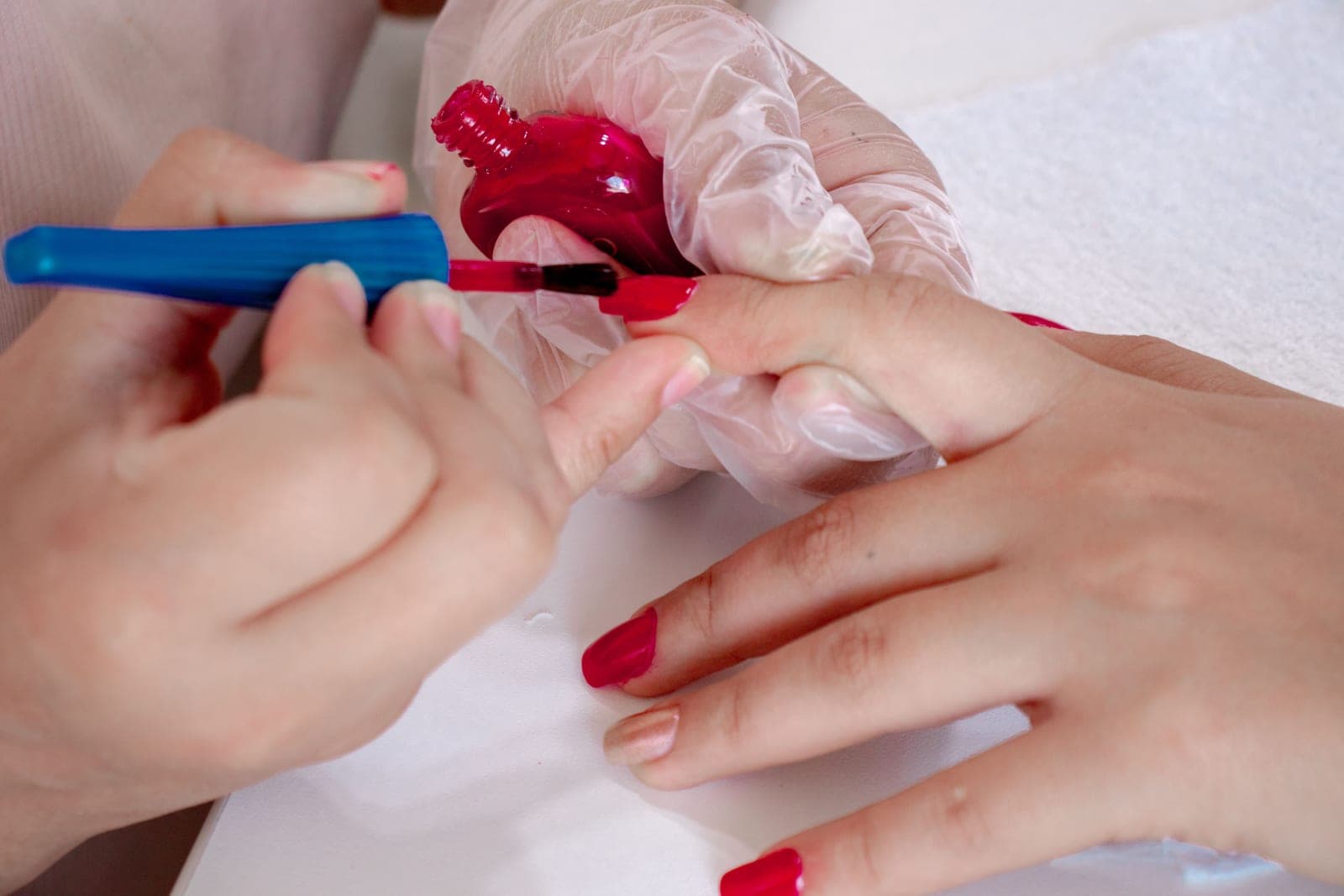
Start with your undertone, not with the trend
Nail polish sits a few millimeters from your skin, which means the shade is always read against it. The same bottle genuinely looks different on two hands, and the variable is undertone.
The quickest test: look at the veins on the inside of your wrist in daylight. Blue or purple suggests a cool undertone. Green or olive suggests a warm one. If you cannot tell, you are probably neutral, which is the easiest case — almost everything works.
Cool undertones are flattered by blue-based reds, true berry and plum, cool taupes, and pure brilliant whites. Orange-based corals and warm yellow-browns tend to read muddy.
Warm undertones are flattered by coral, brick and tomato reds, peach, bronze, warm nudes and olive. Icy pastels and blue-based purples tend to look washed out.
Everybody can wear a true red that is neither notably orange nor notably blue, which is why a classic red is the single most useful bottle on the shelf. It is also the shade most brands build their reputation on.
Depth changes how much saturation a shade can carry, which is a separate axis from undertone. The two depth-specific pages are polish colors for pale skin and polish colors for dark skin — including why a nude has to be matched to your own depth rather than picked by the word on the label.
Which shade for which situation
Undertone narrows the wall. What you are actually doing narrows it again — and this is the table most shade guides skip.
| Situation | Shade family | Why |
|---|---|---|
| Office or anywhere conservative | Sheer milky pink, soft nude | Reads groomed, not done |
| You are not confident at application | Sheer or pale | Hides flooding and uneven edges |
| Short nails | Mid-tone, not very dark | Dark on short nails shortens them visually |
| Long nails | Anything, including dark | Length carries a high-contrast shade |
| Chips will annoy you | Nude close to your nail color | A chip in a nude is invisible |
| You want it to last visibly | Red or dark | Highest contrast, so wear shows most |
| Uneven or ridged nail surface | Cream finish, not sheer | Cream hides texture; sheer magnifies it |
The last two rows are the trade-off nobody mentions. A dark, high-contrast shade shows every millimeter of regrowth and every chip, so a manicure that lasts physically for ten days looks untidy by day five. A nude close to your own nail color can be chipped and growing out and nobody notices. If you want the longest-looking manicure rather than the longest-lasting one, buy a nude.
Which colors stain nails, and how to stop it
Yellow-stained nails after a run of dark polish is one of the most common complaints in this category, and it is entirely preventable.
Staining happens when pigment comes into direct contact with the bare nail plate. The plate is slightly porous, the pigment migrates in, and no amount of scrubbing gets it out — you have to grow it out. The worst offenders are the ones with the most pigment load: dark reds, blues, purples and anything heavily saturated.
The fix is a base coat, every time, no exceptions. Any base coat creates a barrier between the pigment and the plate. This is the single highest-return minute in a manicure, and the step people drop first — the full argument is in the base coat roundup. If the formula itself is what you are shopping on rather than the shade, the best non-toxic nail polish compares what each clean brand publishes.
If staining has already happened, there is no quick fix. Give the nail a break from dark shades, oil daily, and wait — fingernails grow at roughly 3.5 mm a month, so a stained nail takes about three months to grow out entirely. Wearing a sheer or nude in the meantime hides it.
Finish matters as much as color
Two bottles of the same shade in different finishes behave completely differently on the nail, and this is where most disappointing purchases come from.
- Cream. Fully opaque, no shimmer. The most forgiving on an uneven nail surface and the most demanding on application — every brush stroke shows if you flood the cuticle. Two coats.
- Sheer / jelly. Translucent. Hides a wobbly cuticle line and an uneven free edge better than anything else, which makes it the right pick for a beginner. It magnifies surface texture and ridges, though, so it is wrong for a heavily ridged nail.
- Shimmer and metallic. The most forgiving of all on application, because the reflective particles break up any streaking. The hardest to remove cleanly — glitter particularly, which needs a soak rather than a wipe.
- Matte. Shows every fingerprint and dust speck, and needs a matte top coat rather than a glossy one. Looks modern for about three days.
If your nail surface is ridged, a cream finish over a ridge-filling base is the combination that works. If your application is the problem, a sheer finish forgives more than any technique improvement will in the first month.
Shade range is a specification worth comparing
Once you know the shade family you want, the question becomes which system to buy it in — because a bottle of color is only half a product. The long-wear systems on this site are complete systems with their own base and top coats, and buying into one means buying its routine.
Both of the lamp-free long-wear systems on this site score 9 out of 10 on shade range in our rubric, which is the highest in the category, and both publish a wear claim: up to 15 days for one with a mid-week top coat refresh, up to 11 days for the other. The drugstore route has the widest physical availability and publishes no wear figure in days at all.
The formula-level comparison — which of these actually resists chipping, and which brush is easier to control — is in the nail polish roundup and the brand comparison. If your hands are pale, the undertone question is worked through in detail in the best nail polish colors for pale skin.
If you only buy three shades
This is the practical answer to "which colors should I own", and it is deliberately short.
- A true red. Neither notably orange nor notably blue. Works on every undertone, works at every length, reads as deliberate in every setting. If you own one polish, own this.
- A sheer milky pink. The most forgiving shade in existence on application, and the one that reads as groomed rather than done. Wearable anywhere, hides an uneven edge, and chips invisibly.
- A mid-tone neutral in your undertone. A cool taupe or a warm nude depending on the wrist test. This is the shade that goes with everything you own and does not need to be perfect to look good.
Add a fourth only when you know what it is for. Seasonal shades, the one dramatic color you wear twice a year, and anything heavily glittery are the bottles that end up thick and unusable at the back of the drawer — recoverable, as it happens, which is covered in fixing thick nail polish.
Picks
The systems these shades live in
Two long-wear systems with the broadest published shade ranges, the base coat that prevents staining, and the remover that does not strip the nail.
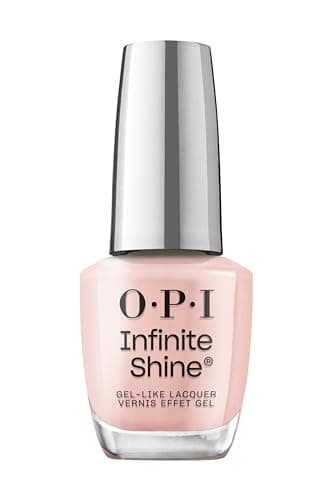
Salon-grade shine you can remove in five minutes
OPI Infinite Shine
A three-step, pre-cured gel system that locks on like gel and comes off with ordinary remover.
- Steps
- 3 (base, lacquer, gloss top)
- Brand wear claim
- Up to 11 days
Skip ifSkip this if you want to be done in ten minutes. Twenty minutes to fully dry is twenty minutes of careful hands.
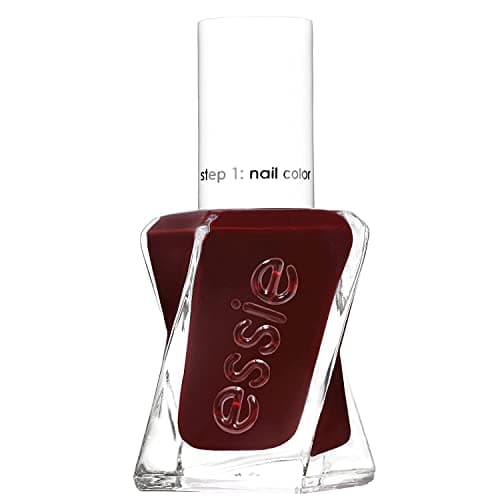
Gel-length wear without owning a lamp
essie Gel Couture (Gel by essie)
Two steps, no lamp, and the longest published wear claim of any lamp-free system here — with an honest asterisk attached.
- Steps
- 2 (color + Shiny Top Coat)
- Brand wear claim
- Up to 15 days
Skip ifSkip this if you will not go back and add a top coat mid-week. The claim is built around that step.
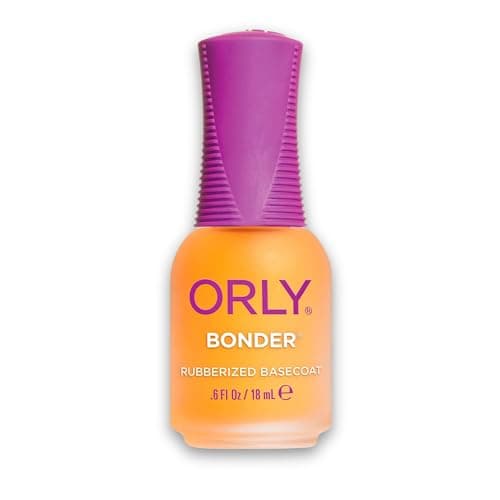
Polish that peels off in sheets by day three
ORLY Bonder Rubberized Basecoat
A rubberized resin base that grips color the way double-sided tape grips paper — the brand's own analogy, and an accurate one.
- Type
- Rubberized resin base coat
- Brand adhesion claim
- Up to two weeks
Skip ifSkip this if your problem is ridges rather than peeling. A smoothing base coat is the right tool for that.
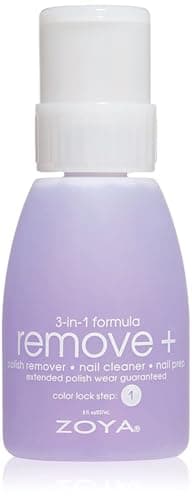
Removing polish and prepping for the next coat in one step
Zoya Remove+
Remover, nail prep and conditioner in one bottle — and, contrary to what half the internet says, it does contain acetone.
- Size
- 8 fl oz flipper bottle
- Function
- Remover + prep + conditioner
Skip ifSkip this if you are specifically avoiding acetone — the formula contains it, whatever the listings imply.
FAQ
Frequently asked questions
What nail polish color suits everyone?
A true red that is neither notably orange nor notably blue. It reads well against both warm and cool undertones and works at any nail length, which is why nearly every brand builds its reputation on one.
How do I know if I have warm or cool undertones?
Look at the veins inside your wrist in daylight. Blue or purple suggests cool — go for blue-based reds, berries and cool taupes. Green or olive suggests warm — coral, brick, peach and warm nudes.
Which nail polish colors stain your nails?
Heavily pigmented shades: dark reds, blues and purples. Pigment migrates into the porous nail plate on contact. Any base coat prevents it; without one, staining takes about three months to grow out.
What nail color makes short nails look longer?
A sheer or mid-tone shade close to your skin, applied with a thin margin at the sidewalls. A very dark, high-contrast color visually shortens a short nail by marking its boundaries sharply.
What is the most forgiving nail polish color for beginners?
A sheer milky pink. Translucency hides a wobbly cuticle line and an uneven free edge, and chips in it are nearly invisible. Shimmer finishes are the next most forgiving, because the particles break up streaking.
How many nail polish colors do I actually need?
Three: a true red, a sheer milky pink and a mid-tone neutral in your undertone. Those cover every setting. Buy a fourth only when you know the specific occasion it is for.
Keep reading
Related guides
- The best nail polish →
Formula, not shade.
- The best base coats →
What stops staining.
- The brand comparison →
Three systems head to head.
- Why polish keeps peeling →
If it never lasts.
- The best removers →
Changing shade often.
Sources
- —Harvard BioNumbers — human nail growth rate · bionumbers.hms.harvard.edu
- —AAD — 11 tips for healthy nails · aad.org
- —OPI — Infinite Shine education · opi.com
- —essie — longwear / Gel Couture · essie.com
- —ORLY — Bonder Rubberized Basecoat · orlybeauty.com
- —Zoya — Remove+ nail polish remover · zoya.artofbeauty.com